Treasurer Jim Chalmers delivered the Federal Budget on Tuesday, May 12, 2026, signaling significant policy shifts with a focus on economic resilience and reform. The budget appears poised to introduce changes impacting trust distributions, likely facing a minimum 30 percent tax, and a potential uplift in the cap for research and development tax credits. These measures, alongside potential adjustments to property tax benefits and the capital gains tax (CGT) discount, suggest a deliberate attempt to reshape the economic landscape for businesses and investors.
Further elaborating on the budget's intent, reports indicate a strategic approach to address what is termed "intergenerational inequity." Key policy areas highlighted include tax reform, savings initiatives, and measures aimed at boosting productivity and investment. The government has also alluded to efforts to alleviate the financial pressures on young people, with mention of a "housing supplement" intended to counteract reduced rental income when housing individuals on Youth Allowance or ABSTUDY. While details remain unconfirmed, the administration's consistent framing around tackling unfairness in the tax system and housing market underscores these concerns.
Read More: UK Borrowing Costs Drop Slightly After Labour Party Moves
Economic Uncertainty and Government Response
The budget's timing coincides with a turbulent global economic climate, specifically referencing a "global oil shock" and its potential to push Australia "to the cusp of recession." In response, the government has articulated a plan to address "cost of living relief," alongside its broader economic strategies. The budget priorities are framed around building a "resilient and secure Australia," with specific attention given to fuel supply and security. This indicates an effort to mitigate external economic shocks and maintain domestic stability.
Behind the Numbers: Tax Reforms and "Broken Promises"
Significant attention has been directed towards impending changes in tax policy, with indications that reforms to negative gearing, the capital gains tax (CGT) discount, and trust structures are likely. These potential changes are reportedly set to include a one-year grace period, framed by some as a response to "broken election promises." While Finance Minister Katy Gallagher and Treasurer Jim Chalmers have not definitively confirmed these specific measures, they have repeatedly declined to rule them out, instead emphasizing the budget's focus on "responsible spending and savings" and addressing economic anxieties that may be contributing to the rise of parties like One Nation.
Read More: El Niño May Come to Australia, Weather May Change
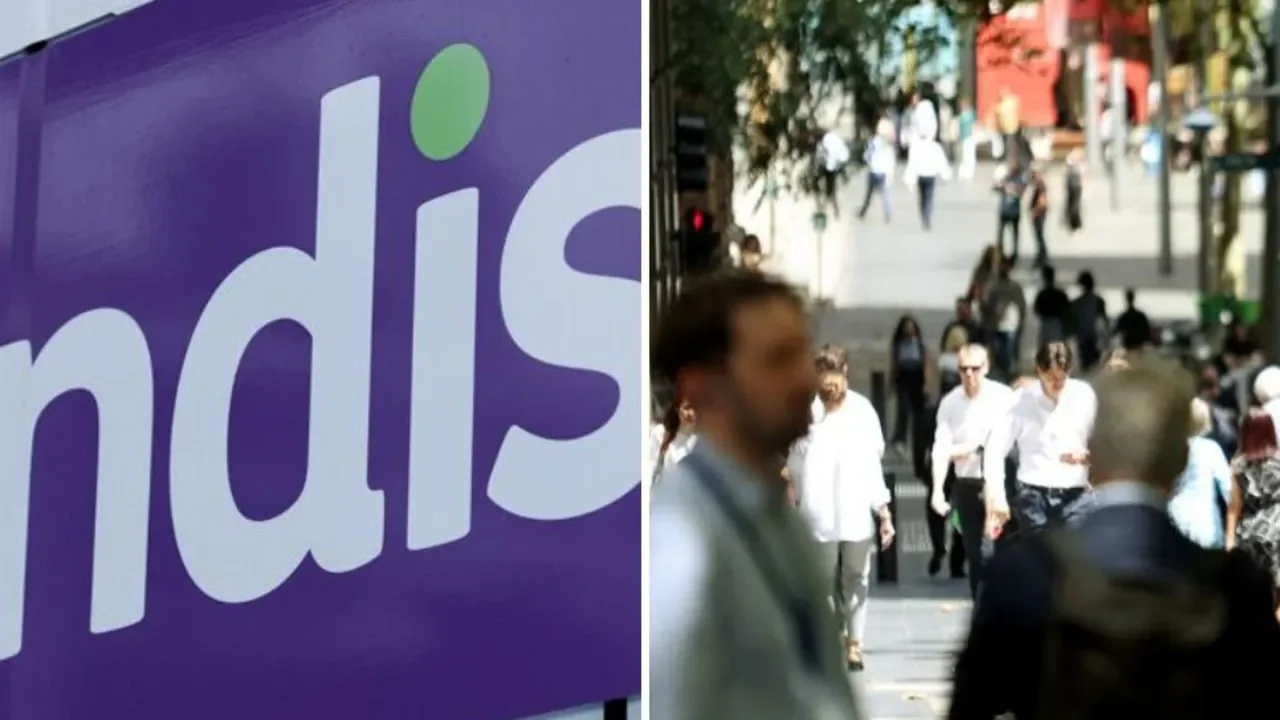
The budget documents themselves, as presented by Treasurer Chalmers, outline plans spanning cost of living, housing, healthcare, energy, and the wider economy. Notably, there are also reports of substantial cuts planned for the National Disability Insurance Scheme (NDIS), aiming for significant savings. Conversely, the budget includes increased funding for the CSIRO, a move welcomed by some advocacy groups.
Contextualizing the Budget
Delivered on Tuesday, May 12, 2026, the Federal Budget represents the Albanese government's fifth such financial statement. The preceding period saw extensive media coverage and speculation, with outlets dissecting potential impacts on various demographics. The Australian and The Guardian provided extensive coverage leading up to and during the budget's announcement, exploring its implications for different generations and sectors. This report draws from information presented by the Treasury and various news organizations including news.com.au, 9news.com.au, and sbs.com.au.
Read More: 2026 Budget: Tax Changes Affect First-Home Buyers in Australia