The Federal Budget 2026 has unveiled significant changes to property taxation, targeting negative gearing and the capital gains tax (CGT) discount. These measures, confirmed by Treasurer Jim Chalmers, aim to rebalance the tax system and address intergenerational equity, particularly concerning housing affordability. The reforms represent the largest property tax overhaul this century, with the government asserting they will slow housing price growth and assist an estimated 75,000 first home buyers over the next decade.
Key Reforms and Government Rationale
The budget introduces several central policy shifts:
Negative Gearing Restrictions: Investors will only be able to negatively gear on new homes. For established housing, deductions against residential property income will be limited.
Capital Gains Tax Discount Rollback: The CGT discount will be wound back, meaning investors with significant gains will pay more tax, while those with gains closer to inflation will pay less.
Trusts: Minimum tax rates will be imposed on family trusts.
Treasurer Jim Chalmers stated the budget is "ambitious" and aims to manage economic disruption, citing the war in Iran as a backdrop. He argued the reforms are necessary for "intergenerational equity" and to fix problems fuelling populist sentiment, suggesting a perceived unfairness in the current system.
The government concedes these changes represent a departure from pre-election promises, with Chalmers acknowledging decisions were made "in recent weeks." Prime Minister Anthony Albanese defended the shift, arguing the government "could not sit on its hands" as young Australians are priced out of the housing market.
Opposition and Sectoral Criticism
The Coalition has pledged to oppose the negative gearing and CGT changes, with Shadow Treasurer Tim Wilson labelling the budget as one of "broken promises, higher taxes, lower living standards and fewer homes." He claims the reforms "fundamentally undermine the pathway for young Australians" to homeownership.
Read More: Taiwan Holds Nantou County Drills to Prepare for State Collapse
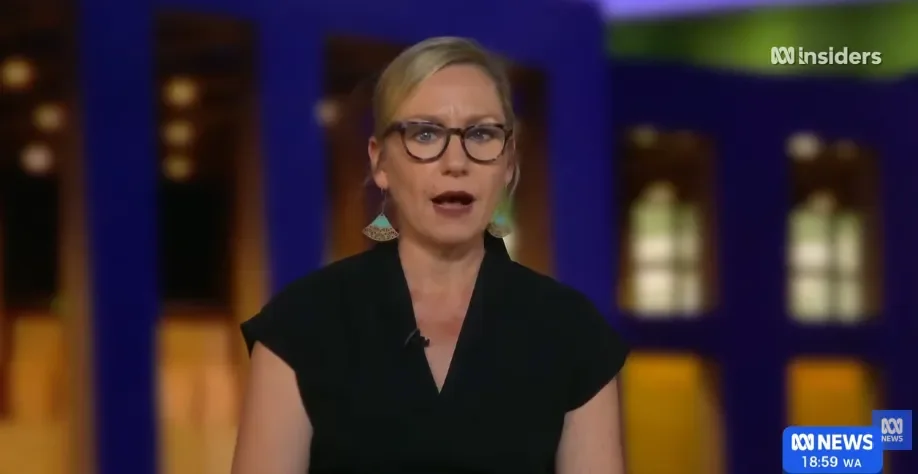
The Australian Council of Social Services (Acoss) has called for more substantial action, urging increased income support and investment in social and affordable housing, suggesting the budget does not go far enough for the most vulnerable Australians.
Budgetary Context and Economic Backdrop
The budget forecasts a bottom-line improvement of $45 billion over four years, attributed partly to "spending restraint." Chalmers highlighted the budget as the most "ambitious" and "politically risky" since the Howard era, aiming for tax reform and productivity gains.
Reserve Bank Governor Michele Bullock has previously warned that excessive government spending could exacerbate inflationary pressures, a concern Chalmers addressed by stating the budget does not worsen the Reserve Bank's task.
The proposed tax changes are slated to take effect after a one-year grace period. The government anticipates these reforms will slow, rather than halt, housing price growth.
Broader Economic and Political Landscape
The Treasurer has framed the budget as a response to "economic anxieties" driving Australians towards parties like One Nation. Despite presenting the changes as a move towards fairness, the government faces accusations of breaking election promises, with some critics claiming the reforms could harm younger generations' prospects of home ownership.
Read More: Hunter Region Gets $12 Billion Train Factory
The political editor of Guardian Australia noted that while the budget "grasped the nettle of tax and housing," its impact on younger Australians might not be substantial enough to significantly alter their circumstances. The measures are seen by some as a calculated political risk, gambling that the public will prioritise housing affordability over the government's initial assurances.