Controversies Plague Football's Oldest Cup Competition Amidst Inconsistent Technology Use
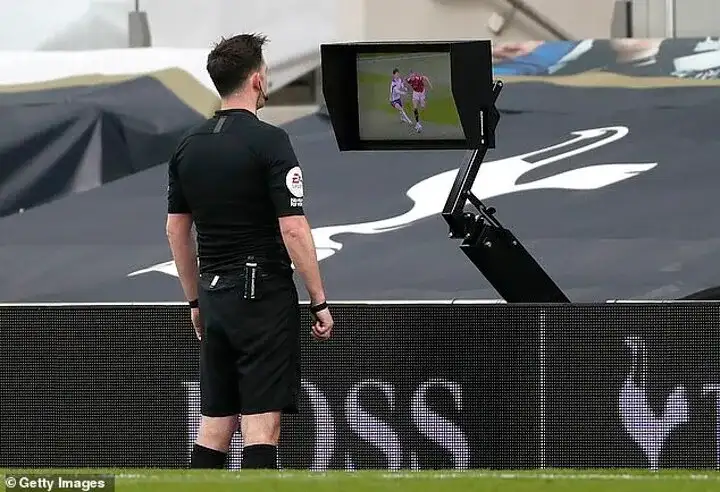
Recent FA Cup matches have become a focal point for fan and pundit frustration, primarily due to inconsistent application of Video Assistant Referee (VAR) technology and officiating decisions. This has led to a robust discussion about whether VAR should be universally adopted in the competition or entirely absent, particularly when contrasting with its regular use in league play. The debate intensified following matches where crucial decisions, including potential penalties and offsides, were either missed or inconsistently applied, leaving supporters questioning the fairness and integrity of the competition.
A History of Notable Moments and Lingering Questions
The FA Cup, with its rich 150-year history, is renowned for its giant-killings and dramatic upsets. A recent example of this was Macclesfield's defeat of Crystal Palace, a result that saw a non-league side overcome a Premier League opponent, marking an 117-year milestone in terms of league position difference for an upset. However, the excitement of such moments is often overshadowed by officiating controversies. In the Aston Villa vs. Newcastle match, a controversial free-kick decision instead of a penalty, alongside a missed offside and a potential red card, drew widespread criticism. This mirrors earlier incidents, such as Coventry City's disallowed extra-time winner against Manchester United in a semi-final, which fans claimed "ruined one of the greatest FA Cup moments ever." The question remains: does the absence of VAR in certain rounds exacerbate these issues, or does its presence in others create its own set of problems?
Read More: Trent Alexander-Arnold's Real Madrid move causes anger for Liverpool fans
The VAR Divide: "Everywhere or Nowhere"
A significant point of contention is the selective use of VAR. While the Premier League employs it regularly, its application in the FA Cup has varied. In previous seasons, VAR was primarily used for matches at Wembley Stadium (semi-finals and finals) and at Premier League grounds where the system is operational. However, this approach has been criticized for creating an uneven playing field.
Read More: Liverpool Goalkeeper Mamardashvili Faces Criticism After Brighton Loss
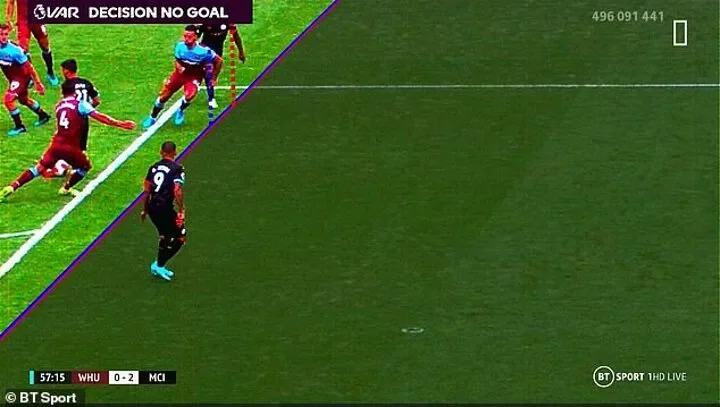
Inconsistent Application: The FA Cup is described as a "farce" because VAR is "everywhere or nowhere," leading to a lack of uniformity in officiating standards across different rounds and venues.
Wembley as a Solution: One proposal suggests that for fairness, VAR should only be used at Wembley for the semi-finals and finals. This would, in theory, preserve the traditional flow of earlier rounds while ensuring high-stakes matches benefit from technology.
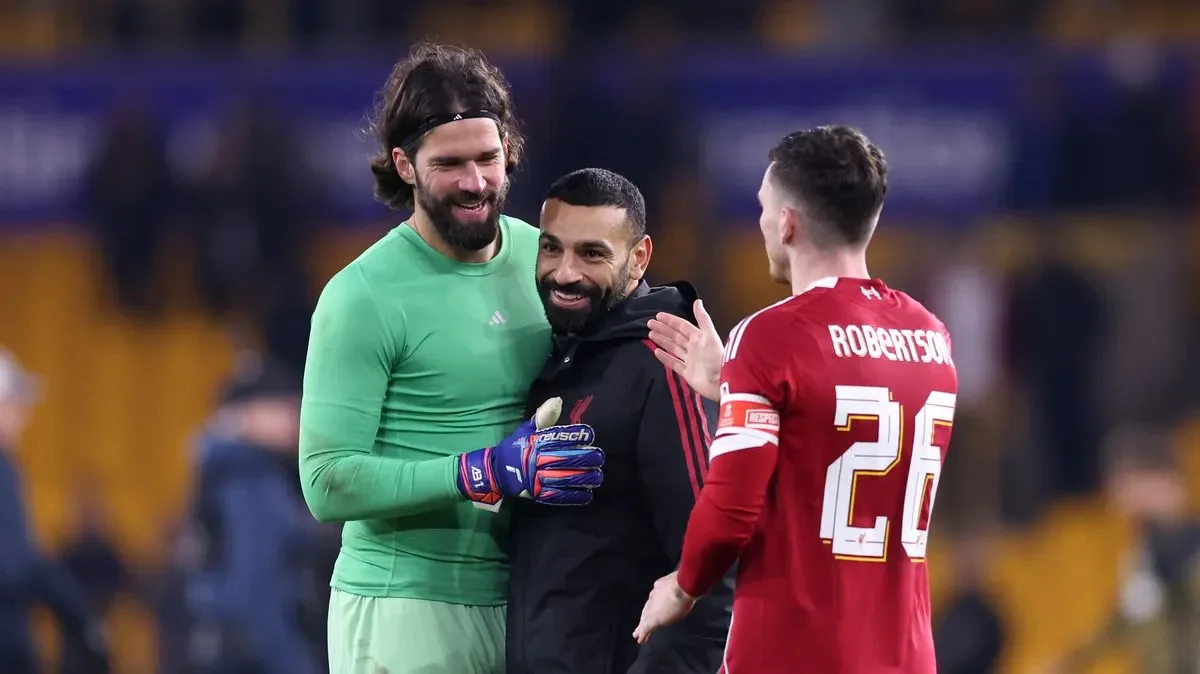
Impact on Earlier Rounds: The absence of VAR in earlier rounds, as seen in the Liverpool vs. Wolves game, meant that discussions post-match focused on the game itself rather than refereeing decisions, a scenario some believe is preferable.
Offside Lines and Subjective Interpretations
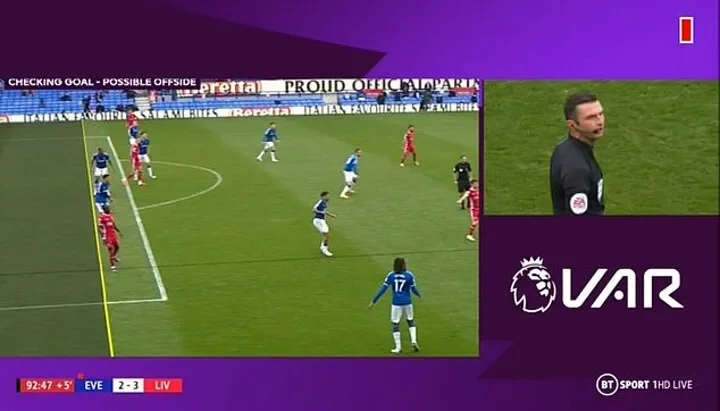
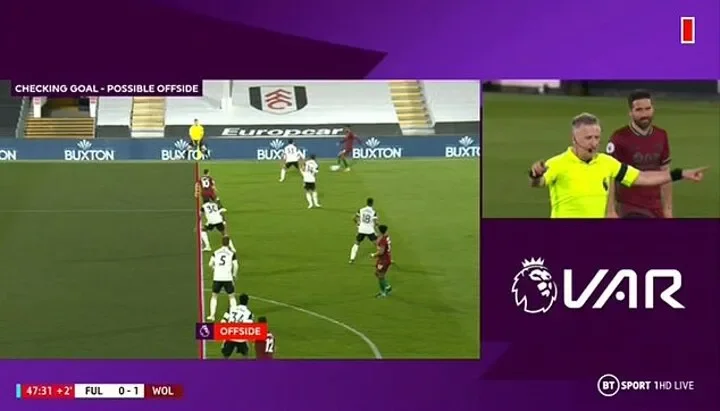
The use of technology to determine offside calls has also come under scrutiny. Reporters have highlighted instances where the precision of VAR lines is questioned, particularly when decisions seem overly reliant on minute measurements.
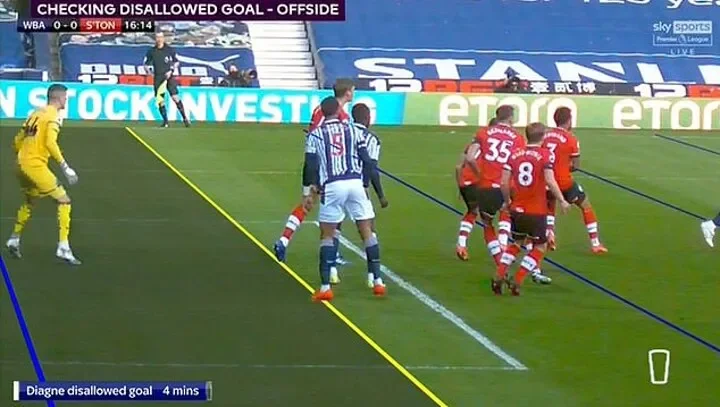
"Stupid Lines": The phrase "stupid lines" has been used to describe the visual aids employed by VAR to draw offside calls, suggesting a perceived over-reliance on these technicalities.
Sterling's Offside: In one instance, a reporter noted that VAR could "prove" a player was offside using these lines, yet questioned how this changed the perception of the decision and expressed a lack of conviction that removing VAR was the solution.
Frustration with Rulings: This points to a broader frustration that while VAR aims for accuracy, the subjective nature of some interpretations, combined with the definitive technological lines, can still lead to outcomes that feel unsatisfactory to observers.
Historical Upset and Modern Scrutiny
The FA Cup's legacy is built on moments of improbable victory. The Macclesfield vs. Crystal Palace match, where Macclesfield was ranked 117 places below Palace, is now cited as the biggest upset in the competition's history based on league positions. This event underscores the romance of the FA Cup, where lower-league teams can achieve monumental success.
The Romance of the Cup: The competition has a long history of "giant-killings" and memorable upsets, a tradition that fans cherish.
Juxtaposition with Technology: The controversy surrounding VAR decisions creates a stark contrast with these celebrated underdog victories, leading some to believe that the technology can detract from the spectacle.
Expert Perspectives on VAR's Role
Commentators and former players have voiced strong opinions regarding VAR's implementation in the FA Cup.
"FA Cup Var is a farce – it should be everywhere or nowhere."– Telegraph article summary
"Gary Neville fumes as 'killjoy' VAR disallows Man City goal in chaotic finale against Liverpool…"– Daily Mail article summary
These sentiments highlight a widespread feeling that the current approach to VAR in the FA Cup is not achieving its intended purpose and is instead creating division and discontent. The debate continues as to whether the technology enhances the game or diminishes the very spirit of unpredictability that makes the FA Cup so captivating.
Read More: Beninese striker Adnan Aziz nears Argentina club contract after successful trial
Conclusion and Future Considerations
The FA Cup finds itself at a crossroads regarding the integration of VAR. The inconsistent application across different stages of the competition has ignited a debate that questions the technology's very presence. While VAR aims to rectify clear and obvious errors, its use has also been blamed for disallowing spectacular moments and creating its own set of controversies.
Core Issue: The fundamental problem appears to be the lack of a uniform approach to VAR implementation within the FA Cup.
Potential Paths Forward: Consideration is being given to either extending VAR to all matches or limiting its use to the most significant fixtures, such as the semi-finals and finals.
Impact on Spectacle: A key consideration is how any future decision will affect the traditional allure of the FA Cup, particularly its capacity for unexpected results and memorable drama, which VAR's application has been accused of diminishing.
Most Used Sources
The Telegraph: Discusses the FA Cup VAR as a "farce" and suggests it should be "everywhere or nowhere."
🔗 Link: https://www.telegraph.co.uk/football/2023/01/08/fa-cup-var-farce-should-everywhere-nowhere/
The Athletic: Reports on the Aston Villa vs. Newcastle controversy and the reasons behind VAR's absence in FA Cup fourth-round matches.
🔗 Link: https://www.nytimes.com/athletic/7046718/2026/02/14/aston-villa-newcastle-var-fa-cup-abraham/
Planet Football & BBC Sport: Detail the Macclesfield vs. Crystal Palace upset, highlighting its significance as the 117-year biggest upset by league position.
🔗 Link (Planet Football): https://www.planetfootball.com/lists-and-rankings/biggest-fa-cup-shock-upset-ever-ranked
🔗 Link (BBC Sport): https://www.bbc.com/sport/football/articles/c70ke0zglk5o
Daily Mail: Covers fan reactions to VAR decisions, including the disallowed Coventry City winner against Manchester United, and Gary Neville's comments on a disallowed Manchester City goal.
🔗 Link (Man City): https://www.dailymail.co.uk/sport/football/article-15540543/Gary-Neville-killjoy-VAR-Man-City-disallows-goal-Liverpool-Dommink-Szoboszlai-Erling-Haaland-incident.html
All Football & Daily Mail (reporters' picks): Features discussions on the worst VAR decisions, including instances with Raheem Sterling and the general frustration with the technology.
🔗 Link (All Football): https://m.allfootballapp.com/news/All/Reporters-pick-the-worst-VAR-decision-theyve-seen-in-football/2593613
🔗 Link (Daily Mail): https://www.dailymail.co.uk/sport/football/article-9470115/Our-reporters-pick-worst-VAR-decision-theyve-seen-football.html