Shifting allegiances manifest in surgical requests as surrendered cadres pursue family lives.
In what appears to be a significant indicator of their departure from militant pursuits, a number of surrendered Maoist cadres are undergoing procedures to reverse vasectomies. This medical intervention, locally termed 'nas jodna' or 'rejoining the tubes', signals a personal pivot toward establishing conventional family structures. The trend is notable among former fighters in regions like Gadchiroli, Maharashtra, and Bastar, Chhattisgarh, areas historically associated with Maoist activity. This choice to reverse sterilization is framed by security officials as a desire for 'better and normal lives' following surrender.
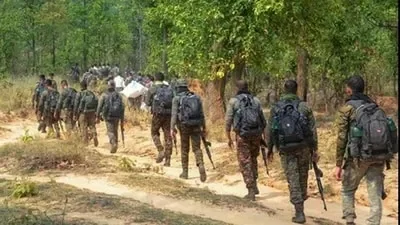
The decision to undergo this elective surgery is reportedly made by the individuals themselves after they have laid down arms and engaged with rehabilitation programs. Reports indicate a growing number of such requests are being processed by nodal officers in designated camps for surrendered Maoists. This phenomenon is not entirely new, with past accounts detailing instances where Maoist cadres were mandated to undergo vasectomy as a condition for marriage within the organization, a directive allegedly issued by senior CPI (Maoist) leaders. The implication was to prevent cadres from prioritizing personal family life over the movement, and to maintain an unencumbered commitment to the cause.
Read More: WNBA Players Face Online Harassment Increases in April 2026
The Maharashtra region has seen a substantial number of Maoist surrenders over the past two decades, with figures exceeding 700 from 2005 to 2025. More recently, specific incidents, such as the surrender of senior leaders and their associated cadres in areas like Abujhmad, have contributed to a broader pattern of disengagement from the insurgency. These surrenders are often accompanied by the laying down of significant caches of weaponry.

"It is their choice." — An unnamed security official, confirming the surge in requests for vasectomy reversals among surrendered Maoist cadres.
The context for the alleged mandatory sterilization policy within the CPI (Maoist) organization is understood to be rooted in a desire to ensure undivided loyalty to the movement. The act of marrying and potentially starting a family could be seen as a distraction or even a sign of wavering commitment. Government rehabilitation policies, which include provisions for surrendered militants and injured individuals, appear to offer a viable pathway for these former cadres to pursue lives free from the constraints of the armed struggle. The aspiration for a family, exemplified by instances of former cadres becoming parents after reversal procedures, underscores a profound personal transition.
Read More: India IVF Costs And Social Barriers Limit Access In April 2026

| Location | Event | Apparent Motivation for Reversal |
|---|---|---|
| Gadchiroli, Maharashtra | Surrendered Maoist couples starting families | Desire for conventional family life post-surrender |
| Bastar, Chhattisgarh | Increased requests for 'nas jodna' | Seeking 'normal lives' after renouncing militancy |
| Telangana | Individual forced vasectomy pre-marriage | Alleged organizational directive before union |
The political landscape of areas like Gadchiroli and Bastar has been marked by decades of Maoist insurgency. The ongoing efforts by the government to establish a deadline for ending Naxalism, coupled with appeals for cadres to surrender, create an environment where such personal choices—like reversing sterilization—can become visible markers of this shift. The settlements of former Maoists, such as Navjeevan Vasahat, offer a glimpse into the daily lives of individuals rebuilding their existence after years within the movement.