Airlines forced into tight sky routes
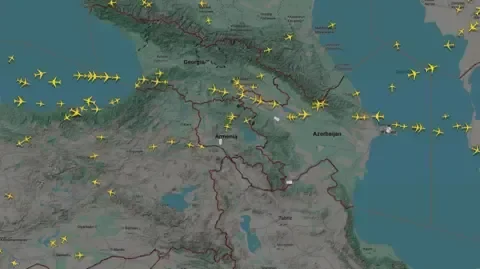
Recent aerial incidents, including a drone attack in a small Central Asian nation, have dramatically constricted flight paths between Europe and Asia. The region, normally a key junction for global aviation, now funnels a significant portion of transcontinental air traffic through a much tighter, northern corridor. This forced rerouting has led to increased flight times and complicates operational management for carriers.
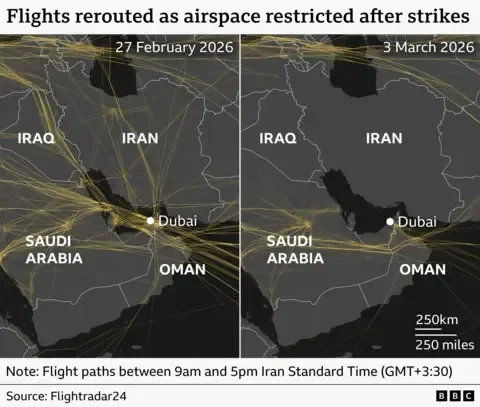
Further complicating matters, Azerbaijan has suspended flight operations and closed Nakhchivan airport following the drone incident, adding another layer of disruption to already strained air routes. There is no clear timeline for when operations might resume.
Some estimates suggest delays could add between 1 to 3 hours to journey times, though specific city pairs may see larger increases.
This constricted northern route, often referred to as the Caucasus corridor, is approximately 100 miles wide.
Airlines are also utilizing southern routes, potentially via Egypt, to circumvent the conflict zones.
Before these recent events, some airlines had already begun adjusting routes as tensions in the Gulf escalated.
The closures mean that hundreds of thousands of passengers are affected by disruptions. On a single day recently, over 1,500 flights were cancelled out of nearly 4,000 scheduled in the affected region. While short-term price hikes for travelers are considered unlikely, the rerouting burns more fuel and creates knock-on effects for crew scheduling and aircraft positioning.
Read More: Margaret River Named World's Best Wine Place
Past strains and future considerations
Even before the latest escalation, global airspace was experiencing strain. The current situation demands careful decisions from airlines, prioritizing crew safety and operating with intelligence that may not be publicly available. These decisions influence when and how flights operate, leading to displaced aircraft and stranded crews.

The impact of these ongoing airspace closures is reshaping global aviation patterns. While the Caucasus corridor has historically absorbed increased traffic during past conflicts, its current capacity and the added complexity of borders with Russia present new challenges. Passengers are already noticing longer scheduled flight times, occasional technical stops, and wider fluctuations in on-time performance. The situation also raises questions about travel insurance coverage during such airspace disruptions.