Order for Chemicals Prompts Online Theories Amidst Released Documents
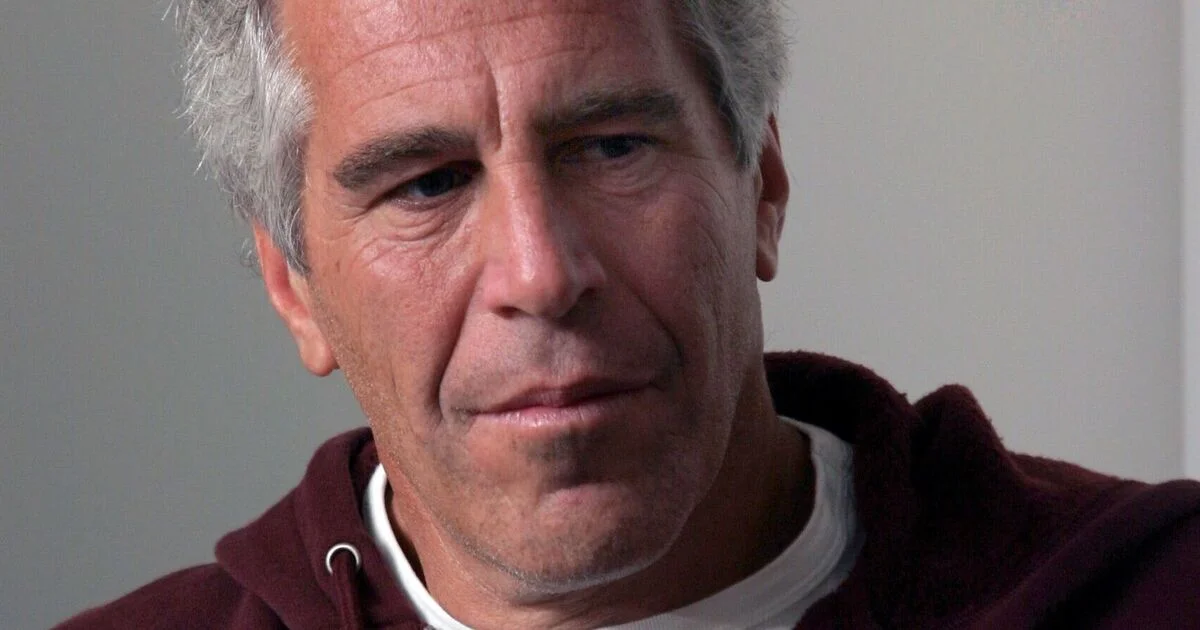
The recent release of documents connected to Jeffrey Epstein has brought a specific transaction to the forefront: the 2018 purchase of 330 gallons of sulfuric acid for his private island, Little St. James. This acquisition, made through an entity named LSJE, LLC, has ignited widespread online speculation regarding its intended use. While official explanations point to routine industrial needs, the timing and quantity have led some to propose more sinister applications, including the disposal of evidence. This report examines the available information surrounding the purchase and the contrasting interpretations it has generated.
Context of the Transaction
In late 2018, a significant order for sulfuric acid was placed and delivered to Epstein's Little St. James island. Specifically, records indicate the purchase of six 55-gallon drums, totaling approximately 330 gallons (or 1250 liters) of the chemical. The cost of this order was reported to be around $5,000, covering the chemicals themselves, along with fuel and insurance for their transport.
Read More: ICE Agents Arrested After Claims of Bad Behavior and Crime

Actors Involved: The purchase was facilitated through LSJE, LLC, a business entity linked to Epstein. The chemical supplier and the payment processing via JPMorgan Chase are also noted.
Timing: This order occurred on December 6, 2018. This date is significant as it reportedly coincides with the day the FBI opened its investigation into Epstein and Ghislaine Maxwell for sex trafficking of minors.
Location: The destination was Epstein's private island, Little St. James, in the U.S. Virgin Islands.
Evidence of the Purchase
Multiple reports and documents confirm the details of the sulfuric acid order.
A request form is cited as evidence of the purchase by LSJE LLC.
Payment documents, including a wire transfer detailed in an FBI email (EFTA01223564), confirm the transaction through a chemical supplier and JPMorgan Chase.
The financial transaction is logged under a general ledger account related to RO (Reverse Osmosis) systems.
An internal FBI email (EFTA00164551) from the same date is referenced, noting the Bureau's investigation into Epstein and Maxwell.
Water Treatment: A Legitimate Application
A primary explanation for the sulfuric acid purchase centers on the operational needs of a remote, self-sufficient island property like Little St. James. Sulfuric acid has established, legal uses in industrial and residential water management.
Read More: Teenager Allegedly Used Roblox Game in Canada Shooting
Reverse Osmosis (RO) Systems: Private islands often rely on RO systems to desalinate seawater, producing potable water. Sulfuric acid plays a critical role in these systems by adjusting the pH of the incoming seawater.
Purpose: Lowering the pH prevents the formation of calcium carbonate scale, which can clog and damage the filtration membranes of RO units. This is essential for the efficient and continuous operation of water purification.
Wastewater Treatment: Sulfuric acid can also be utilized in treating wastewater generated on the island, managing its chemical composition before discharge or further processing.
Pool Maintenance: Like many large properties with swimming facilities, sulfuric acid could have been used for pH balancing in the island's pools.
Core Information
The purchase documents explicitly log the expense under an RO-related general ledger account. This categorization, by itself, points towards legitimate infrastructure maintenance.
Online Speculation and Conspiracy Theories
The large volume of sulfuric acid, coupled with its known corrosive properties, has fueled alternative interpretations, particularly on social media platforms. These theories suggest more sinister uses for the chemical.
Read More: New Law Stops Government Payments to People Who Have Died
Dissolving Bodies: A prominent theory posits that the sulfuric acid was acquired to dissolve the bodies of individuals, allegedly including children, who were victims of Epstein's alleged crimes. Sulfuric acid's ability to break down organic matter is cited as the basis for this speculation.
Hiding Evidence: Related to the above, the chemical could be theorized as a tool for destroying evidence of illicit activities conducted on the island.
Timing of the Order: The coincidence of the purchase with the FBI's investigation opening has been interpreted by some as an attempt to prepare for or execute a cover-up.
Insight
The correlation between the timing of the acid order and the FBI's investigation initiation is a point of interest for those questioning the official explanation.
Signal
Social media discourse, driven by the graphic potential of strong acids, quickly gravitated towards theories of body disposal.
Skepticism and Lack of Direct Evidence
Despite the widespread online theories, established reports emphasize the absence of direct evidence linking the sulfuric acid purchase to criminal activities. Experts and investigative articles highlight several points that temper the more extreme interpretations.
Read More: New Files Show Sarah Ferguson and Prince Andrew Stayed Friends with Epstein

Common Industrial Chemical: Sulfuric acid is described as a widely used and not inherently "sinister" chemical. Its availability and industrial applications are broad, including fertilizer production and battery manufacturing, as well as water treatment.
Volume vs. Intent: The sheer volume of the purchase, while notable, does not automatically confirm a criminal purpose. Legitimate industrial operations can require substantial quantities of chemicals.
Alternative Corrosive Agents: For the specific purpose of dissolving bodies, hydrofluoric acid is often cited in speculative discussions as a more potent or preferred chemical agent, not sulfuric acid.
Focus on Proven Crimes: Some analyses urge a focus on Epstein's established, horrific crimes, suggesting that speculating on the use of sulfuric acid distracts from the documented offenses and the individuals involved in them.
Nuance
The presence of a documented explanation (water treatment) alongside the circumstantial timing of the order creates a duality of interpretation.
Read More: Lawmakers Question Attorney General Bondi on Epstein Files
Key Question
Were FBI agents investigating the island at the time aware of these chemical stocks, and if so, what actions were taken regarding their eventual disposition?
Expert Analysis
Analysts and journalists examining the Epstein files have offered differing perspectives on the significance of the sulfuric acid purchase.
"Sulfuric acid is a standard chemical used in these systems [reverse osmosis] to lower the pH of the seawater, which prevents calcium carbonate scaling on the filtration membranes." - Criminal Watch
"The speculations about sulphuric acid being used to dissolve bodies are not entirely baseless, though. Six drums of sulfuric acid… sounds like Epstein’s crew was taking ‘disposal’ to a whole new level." - IBTimes (reporting on social media speculation)
"There is no confirmed evidence linking the sulfuric acid purchase to criminal disposal activities." - India Herald
"Sulfuric acid has legit uses in desalination R.O. systems, so it could be that? It is suggested that the sulfuric acid was likely intended for water desalination in reverse osmosis systems, which is one of its legitimate industrial uses." - Caliber.az
Conclusion
The purchase of 330 gallons of sulfuric acid by Jeffrey Epstein's entity LSJE, LLC in 2018 for his private island is a documented fact. The primary explanation provided within the transaction's financial records points to its use in maintaining the island's water treatment and reverse osmosis systems. This is a common and legitimate industrial application for such a chemical, especially on an isolated property requiring self-sufficiency.
Read More: Too Many People in Philippine Jails Cause Fights and Harm
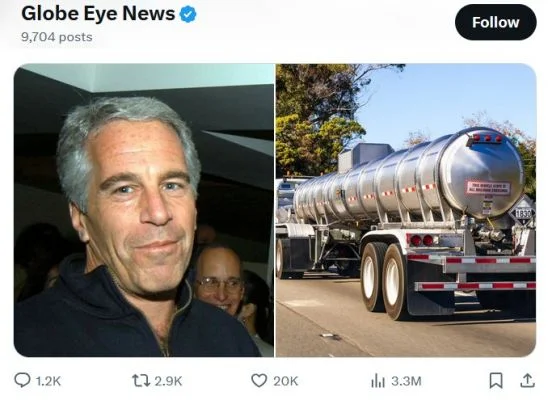
However, the timing of this order—reportedly on the same day the FBI initiated its investigation into Epstein and Maxwell—has fueled considerable online speculation that the acid was acquired for more illicit purposes, such as the disposal of bodies or evidence. Currently, there is no direct, confirmed evidence presented in the publicly available documents that substantiates these darker theories. The interpretation of this event remains divided, hinging on whether one prioritizes the documented industrial use or the circumstantial timing.
Further investigation into the eventual use and whereabouts of the delivered sulfuric acid, and whether its presence was noted or investigated by law enforcement during any searches of the island, could potentially shed more light on this transaction.
Sources
Times Now News: https://www.timesnownews.com/world/us/us-news/did-epstein-order-330-gallons-of-sulfuric-acid-in-2018-epstein-files-revelation-sparks-new-conspiracies-article-153588187 (Published 15 hours ago; focuses on official explanation and online theories)
IBTimes: https://www.ibtimes.co.uk/epstein-reportedly-ordered-multiple-55-gallon-sulfuric-acid-2018-likely-used-dissolve-bodies-1777280 (Published 2 days ago; highlights online speculation about dissolving bodies)
India Herald: https://www.indiaherald.com/Breaking/Read/994877663/Epstein-EXPOSED-Gallons-Sulfuric-Acid-Ordered-the-EXACT-Day-Feds-Launched-Probe-CoverUp-or-Corpse-Cleaner (Published 1 day ago; emphasizes lack of confirmed evidence for criminal use)
Express: https://www.express.co.uk/news/world/2168785/epstein-sulphuric-acid-chilling-payment (Published 18 hours ago; details purchase via LSJE LLC and common uses)
Thought Catalog: https://thoughtcatalog.com/january-nelson/2026/02/did-jeffery-epstein-order-sulfuric-acid-to-his-island-to-dissolve-bodies/ (Published 1 day ago; states the document shows routine water treatment)
EADaily: https://eadaily.com/en/ampnews/2026/02/09/the-details-are-getting-darker-why-did-epstein-order-1250-liters-of-sulfuric-acid (Published 1 day ago; notes the timing with FBI investigation and questions about the acid's fate)
Caliber.az: https://caliber.az/en/post/did-epstein-order-over-1-000-litres-of-acid-to-dissolve-bodies (Published 4 hours ago; discusses social media speculation versus legitimate uses)
Criminal Watch: https://criminalwatch.com/epstein-files-330-gallon-sulfuric-acid-purchase-in-2018-sparks-speculation-and-scrutiny/ (Published 1 day ago; details RO system needs and battery uses)
Apple Podcasts (Episode 67): https://podcasts.apple.com/ee/podcast/episode-67-epstein-ordered-330-gallons-of-acid-the/id1874527524?i=1000748951472 (Published 2 days ago; links purchase to FBI investigation opening, referencing FBI emails)
Daily Mail: https://www.dailymail.co.uk/news/article-15545409/330-gallons-sulfuric-acid-purchased-Epstein-Island-day-FBI-opened-investigation-paedophiles-trafficking-charges-newly-released-files-appear-show.html (Published 1 hour ago; reports on the purchase timing and FBI investigation)
inbox.lv: https://news.inbox.lv/14zug18-epstein-files-in-2018-he-ordered-1250-liters-of-sulfuric-acid-to-his-island?language=en (Published 19 hours ago; brief mention of the order quantity)
Read More: Nikki Haley Says Many People Don't Feel Hopeful About the Economy