

===
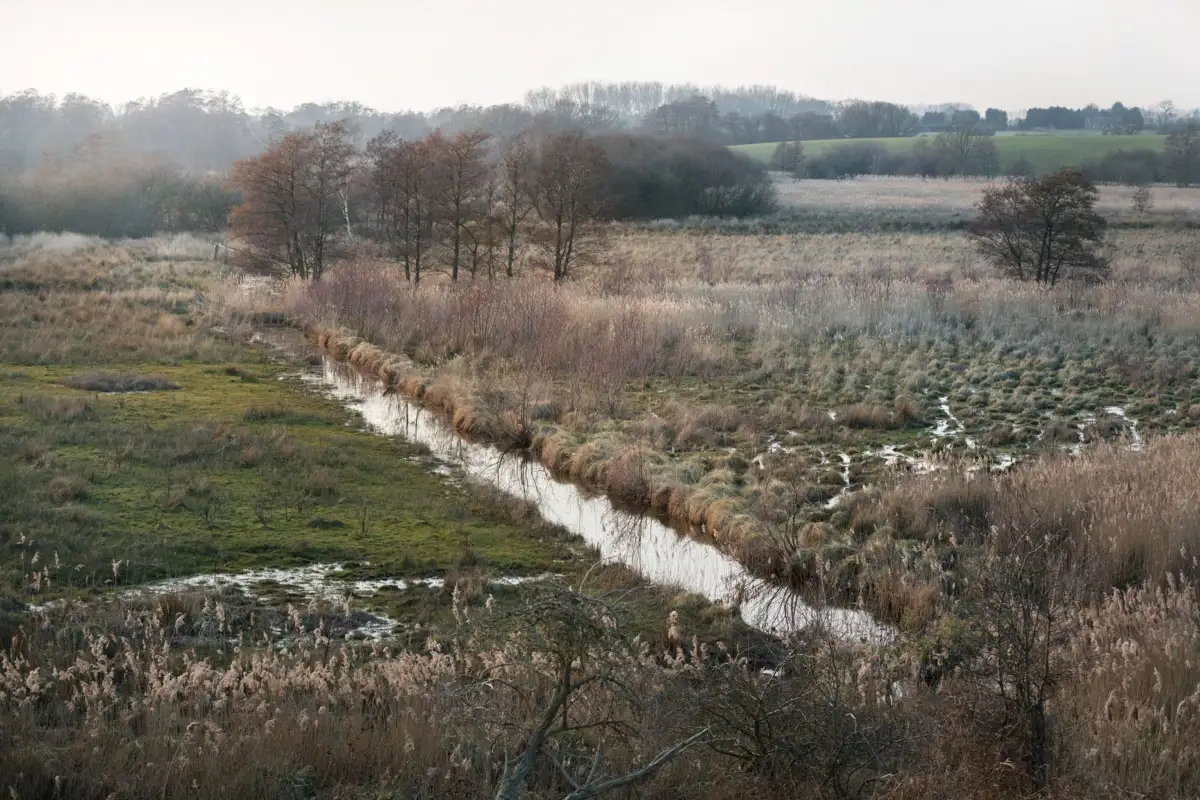
Efforts to bolster wildlife-rich habitats across England are underway, guided by specific targets and a growing network of local strategies. The government's "Habitat Target," as detailed by Defra, focuses on creating and restoring areas that were not previously considered abundant in wildlife. This initiative, supported by definitions and reporting models, aims to measurably expand habitats, with projects like the enhancement of Somerset's coastal wetlands serving as examples. Concurrently, the Nature Recovery Network (NRN) is being built, a framework designed to coordinate conservation efforts. Local Nature Recovery Strategies will pinpoint areas for action, intending to grow this network through targeted interventions. The government is also signaling a commitment to diversify funding for these endeavors, referencing the 'Green Finance Strategy' to broaden the financial base for nature's recovery.
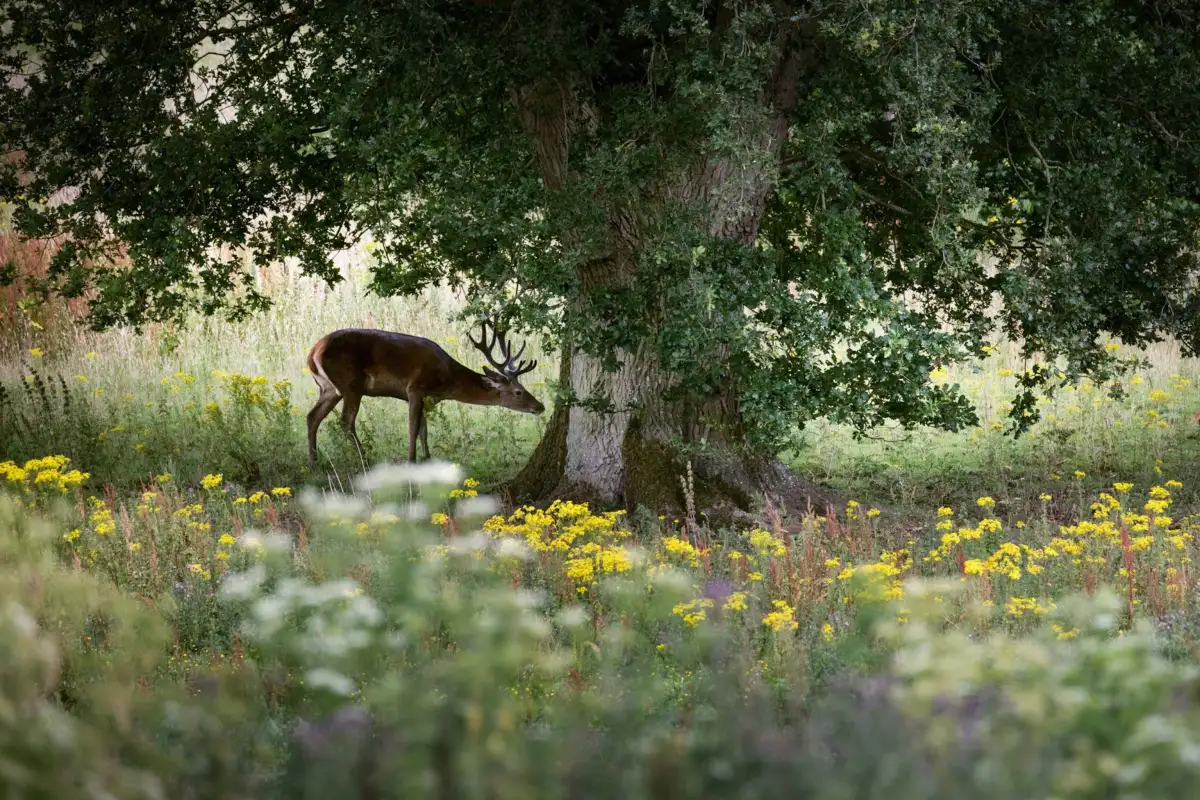
The core of these initiatives rests on quantifiable habitat expansion and a coordinated, multi-local approach to identifying and implementing conservation actions.
Read More: Moringa Seeds Filter 98% Microplastics From Water
===
Partners Mobilize for Habitat Enhancement
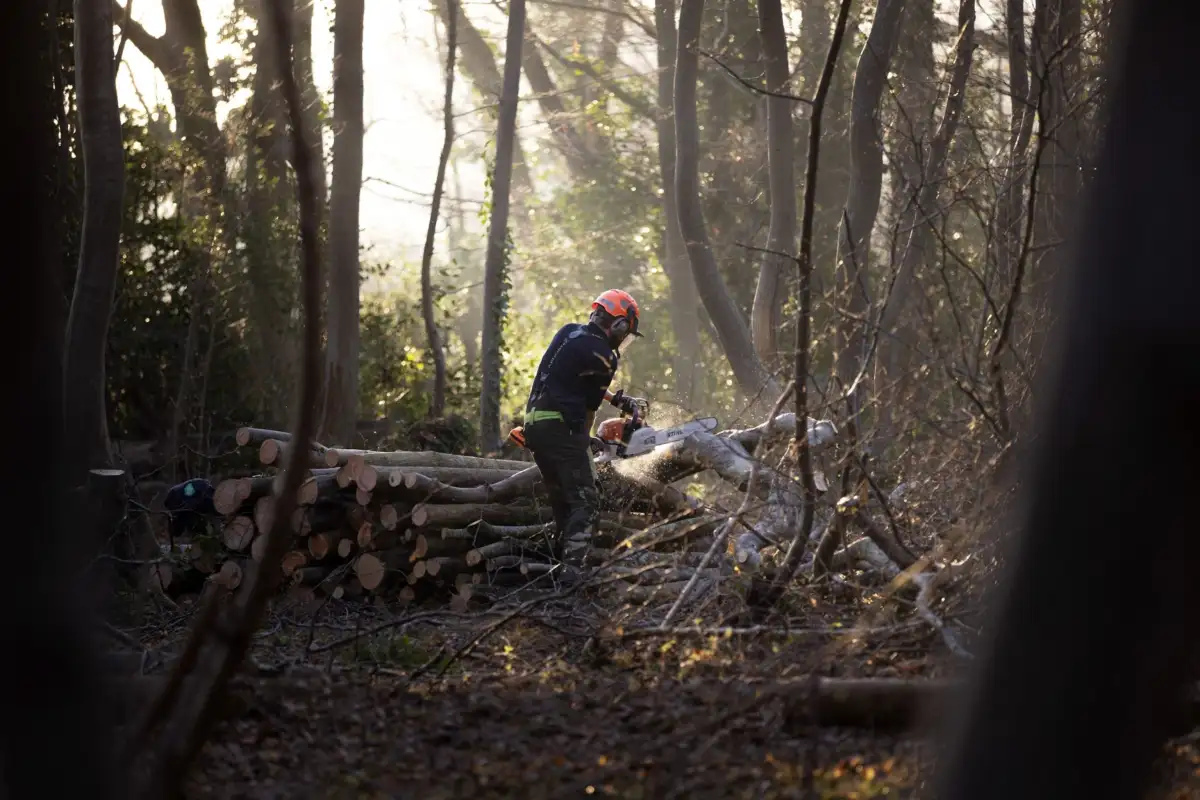
Beyond governmental frameworks, various organizations are actively involved in habitat restoration and rewilding. The RSPB, for instance, acknowledges its reliance on broader participation, aiming to connect and mobilize more people through engagement and empowerment. They advocate for community involvement and working with partners to amplify their impact. Resources for individuals looking to rewild are also proliferating, with platforms offering guides and information for anything from small gardens to larger landholdings. These efforts extend to large-scale projects, such as plans to return 600,000 acres in East England to nature, and the creation of significant "wilder" forest areas like Wild Kielder in Northumberland (spanning at least 6,000 hectares) and Wild Neroche in Somerset.
===
Funding and Participation: A Multifaceted Approach
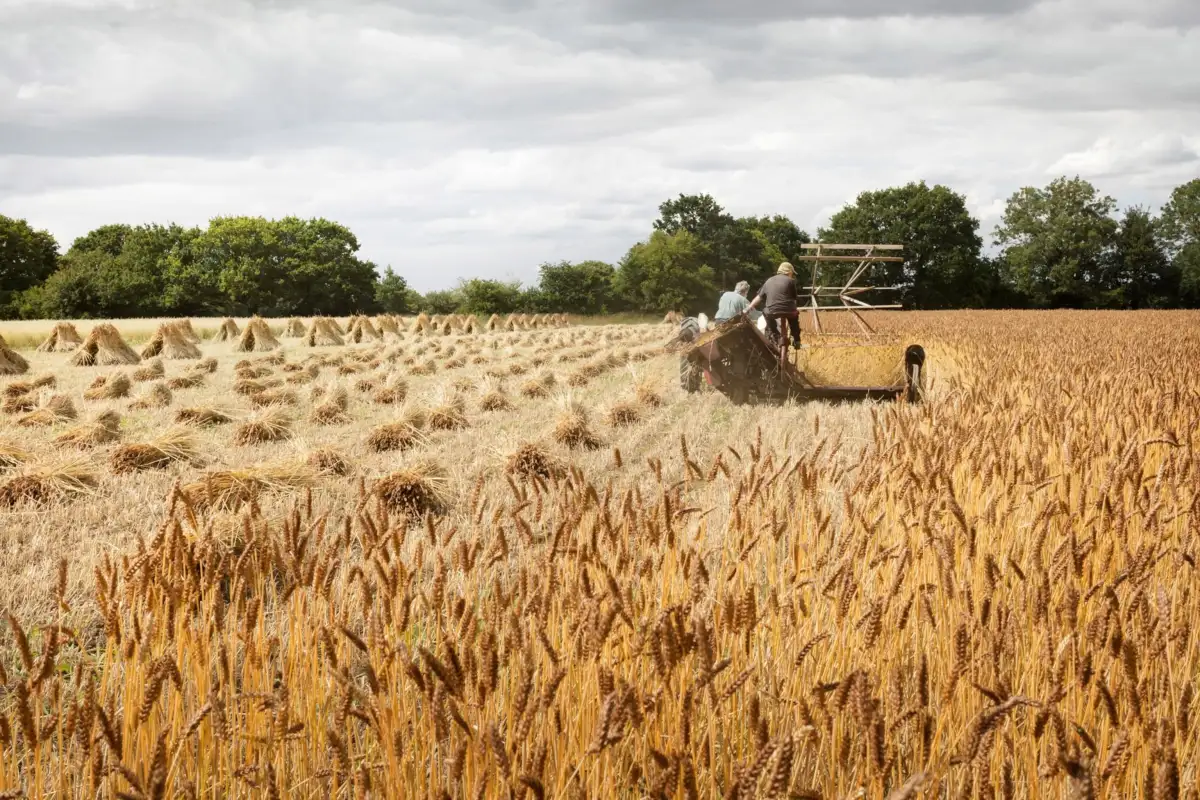
The expansion of the Nature Recovery Network is envisioned as a collective effort, requiring contributions of skills, knowledge, and resources. This includes land for nature recovery, financial investment, and expert advice. Partners are being brought together through conferences and workshops, fostering collaboration. The 'Green Finance Strategy' underscores a commitment to finding new ways to fund nature recovery. Corporate partnerships, such as Forest Holidays contributing to Wild Kielder, highlight a growing trend in business involvement.
Read More: Elsie Kelly, 89, Benidorm Star, Dies After Brief Illness

The narrative of rewilding is presented as beneficial for both nature and people, with potential links to mental health and broader ecological well-being.
===
Historical Precedents and Evolving Definitions
Early significant rewilding efforts in the UK are often attributed to projects like the Knepp Estate in West Sussex, where farmland was allowed to return to a wilder state, demonstrating a shift towards native plants and wildlife. This historical context informs current approaches, which range from actively growing hedgerows wider and taller to leaving “wobbly corners” of farmland to encourage wildflowers and grasses. The definitions of "restoration" and "creation" of wildlife-rich habitats are central to the Habitat Target, distinguishing between enhancing existing areas and developing new ones.
The concept of rewilding itself elicits varied reactions, described as "honey to some, poison to others," indicating ongoing societal debate and adaptation.
Read More: UK Government Disagrees on AI Data Centre Energy Use


