


A Natural Alternative Emerges
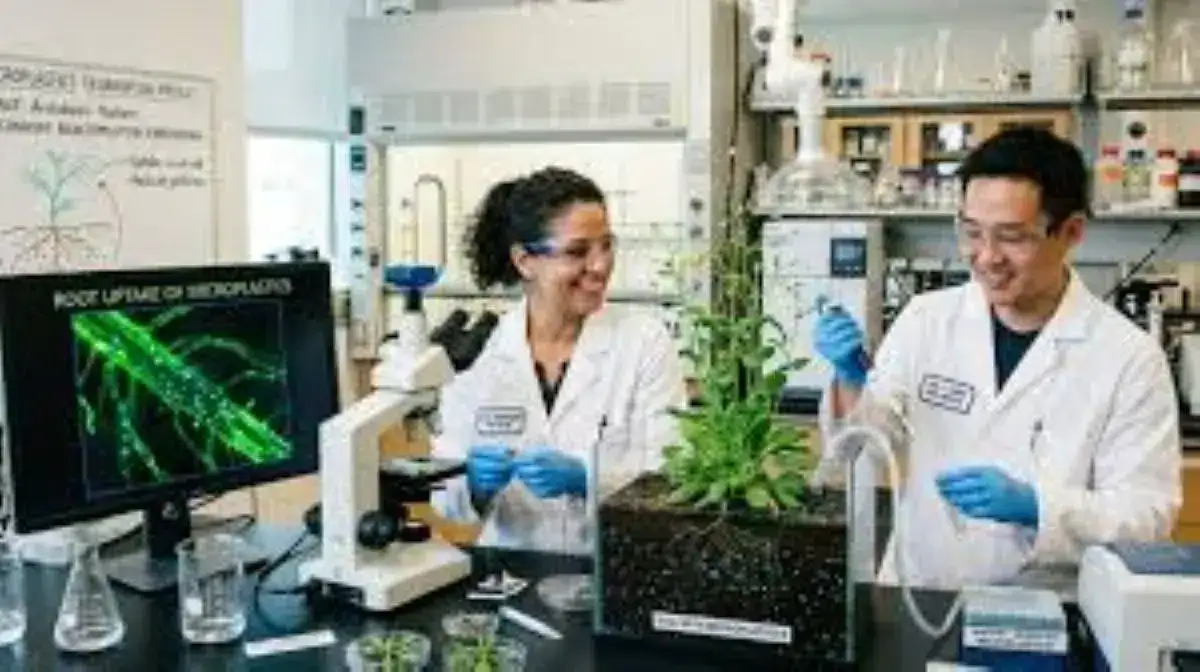
Researchers are exploring the use of moringa seeds as a viable method for removing microplastics from drinking water. Studies indicate that a saline extract from these seeds can be remarkably effective, even rivaling or surpassing traditional chemical treatments in certain conditions. This natural agent has demonstrated the ability to pull up to 98% of microplastics out of contaminated water, according to recent findings.

Comparable Effectiveness to Chemical Treatments
The efficacy of moringa seed extract was put to the test against polyvinyl chloride (PVC) microplastics, a type commonly found in tap water. In laboratory settings, the moringa extract performed similarly to aluminum sulfate, a widely used chemical coagulant in current water treatment plants. This natural approach offers a potential cost-effective and sustainable alternative to established industrial methods.

Enhanced Performance in Alkaline Conditions
Intriguingly, the moringa extract appears to perform even better in slightly alkaline water conditions, reaching a pH of 8.0. This is a significant point of comparison, as aluminum sulfate loses effectiveness in such environments. This suggests moringa could offer a more robust solution across varied water chemistries.
Read More: UK Government Disagrees on AI Data Centre Energy Use
Addressing a Growing Concern
The ubiquity of microplastics in water systems presents a growing health concern. These tiny plastic particles, originating from sources like car tires, paints, and degraded packaging, have infiltrated water bodies and even water that has undergone conventional treatment. Scientists are investigating the potential health impacts of ingesting microplastics, with links to digestive issues and reduced fertility being raised.
Future Directions and Limitations
While the initial results are compelling, the research is still in its early stages. Scientists are currently testing moringa seed extract on water from real sources, such as the Paraíba do Sul River in São José dos Campos. Large-scale trials are necessary to confirm the practicality and effectiveness of moringa-based filtration in complex municipal water systems. One noted drawback is the potential issue with using excessive amounts of moringa extract. The broader implications point towards a reduced reliance on the chemical industry and a greater embrace of natural biotechnology for environmental solutions.
Read More: Woman's Uterus Kept Working Outside Body for 24 Hours
Background:
Microplastics, defined as plastic particles less than 5 millimeters in size, have become a pervasive environmental pollutant. Their presence in oceans, rivers, soil, and air has been extensively documented. Concerns about their impact on ecosystems and human health are escalating, prompting a search for innovative and sustainable filtration methods. Moringa, often referred to as the "miracle tree," is a plant native to regions of Africa and Asia, known for its nutritional value and various traditional uses. This research highlights a novel application for its seeds, potentially transforming a familiar natural resource into a tool for tackling a modern environmental crisis.


