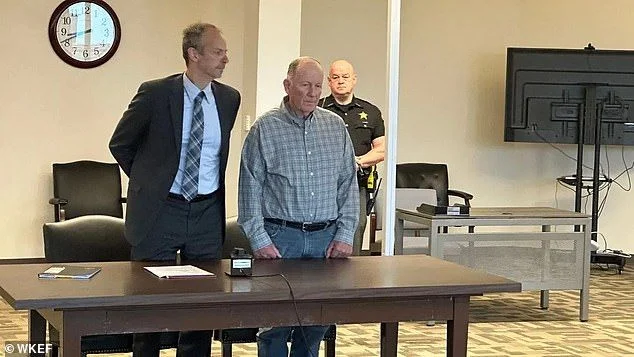
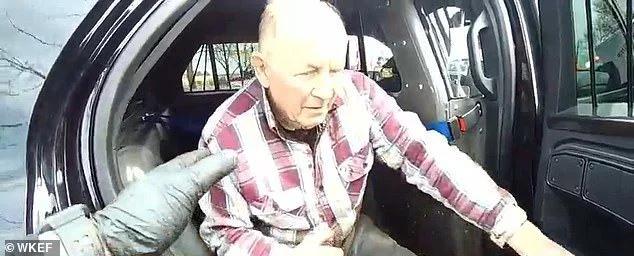
The chilling case of William J. Brock, an 83-year-old man now facing a life sentence in jail, is a stark and deeply unsettling reminder of how modern scams can ensnare even the most vulnerable, leading to irreversible tragedy. Brock was convicted of murdering Loletha Toland-Hall, an innocent Uber driver, after he was manipulated by ruthless scammers into believing she was a threat. This case isn't just about one man's tragic act; it's a disturbing glimpse into the escalating sophistication of criminal deception and its devastating human cost. How did a man, supposedly acting in self-defense, end up taking an unarmed woman's life? And what does this incident reveal about the dark underbelly of online fraud?
The Anatomy of a Scam: A Web of Deceit
The narrative that led to this fatal confrontation is a tangled one, rooted in a series of highly sophisticated phone scams. William Brock was targeted by fraudsters who, according to reports, impersonated figures like his grandson, creating a fabricated crisis designed to instill extreme fear. This is a classic tactic in "grandparent scams" and "fear of harm" scams, where criminals exploit familial bonds and prey on the elderly's anxieties.
Read More: Mother Speaks 25 Years After Peter Falconio's Outback Murder
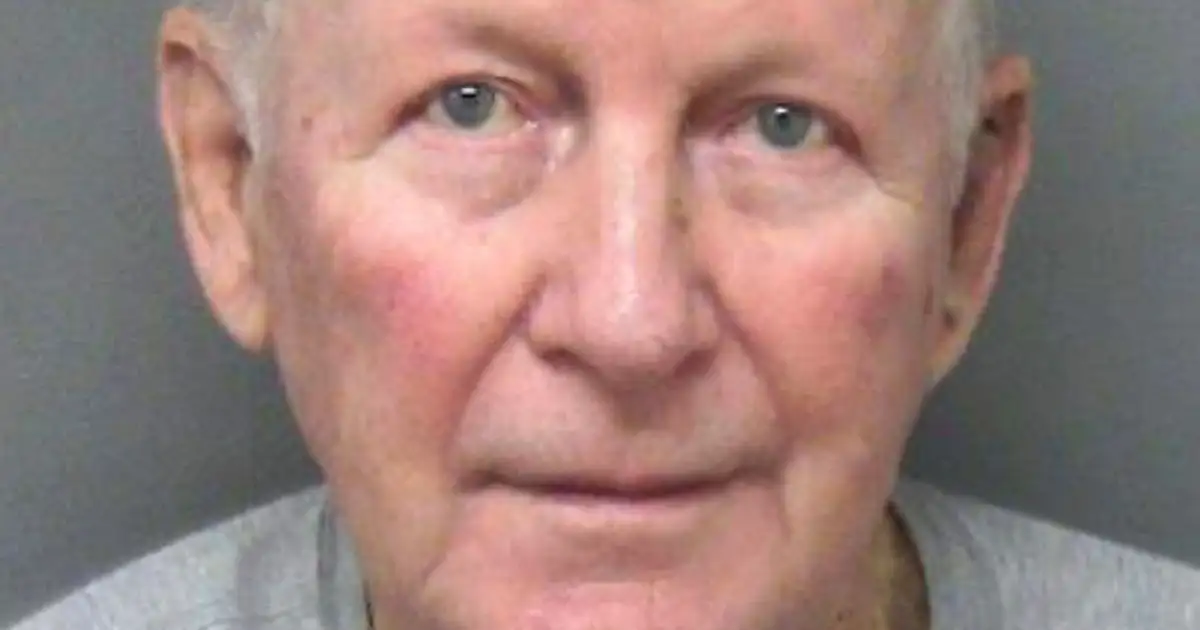
Initial Contact: Brock received threatening calls, allegedly from scammers claiming to have his grandson and demanding money, even threatening his life and the lives of his family.
Escalation of Fear: The scammers' goal was to create a sense of imminent danger, making Brock believe his family was at risk. This psychological pressure is key to their success.
The Setup: In a twisted turn, the same scammers then seemingly assigned Loletha Toland-Hall to pick up a package from Brock's home. This assignment was the bait, linking the victim directly to the perceived threat.
This orchestrated scenario meant that when Toland-Hall, an unsuspecting Uber driver, arrived at Brock's residence on January 14th, he was already primed for violence, fueled by the scammer's manipulations. The dashcam footage from her vehicle, a crucial piece of evidence, captured Brock confronting her with a pistol.
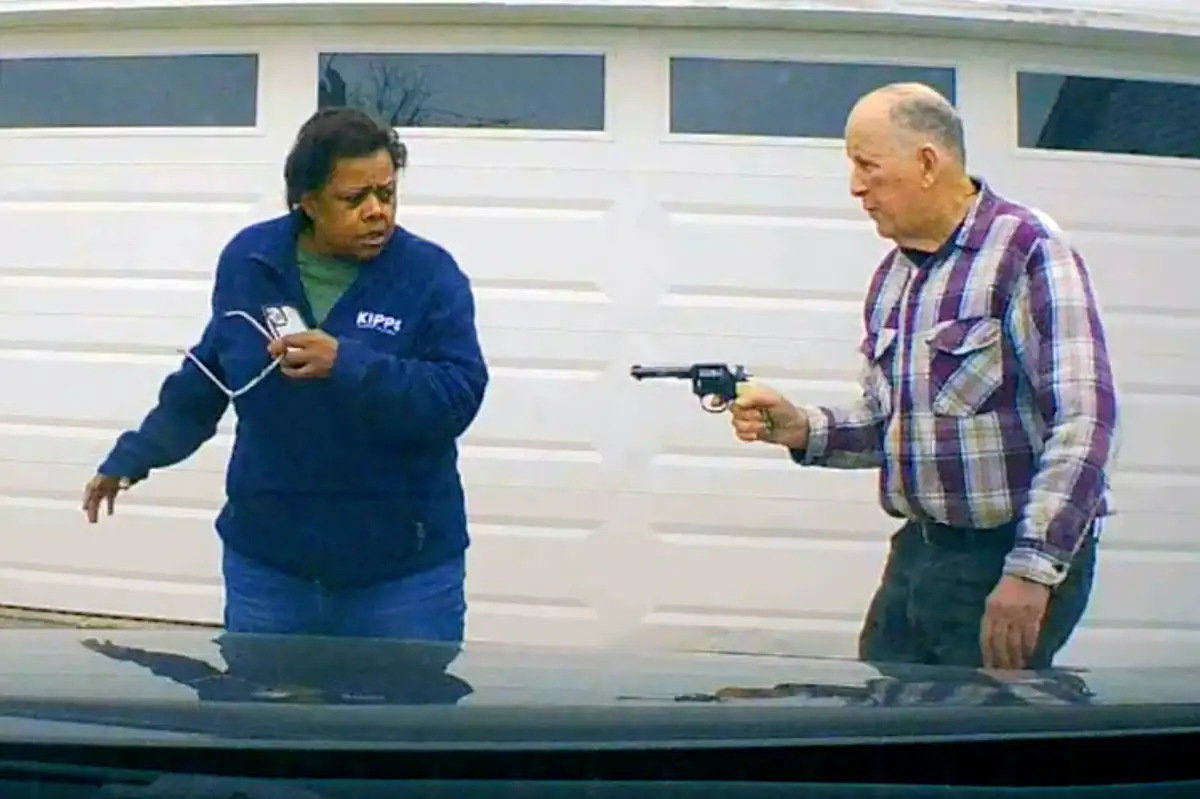
The Confrontation: A Misguided Act of "Self-Defense"
According to court reports, when Toland-Hall arrived, Brock, driven by the scammers' threats, immediately accused her of trying to steal his money. He testified that he felt threatened and believed she was going to harm him.
Read More: AI Images Used in Romance Scam Against Pensioner
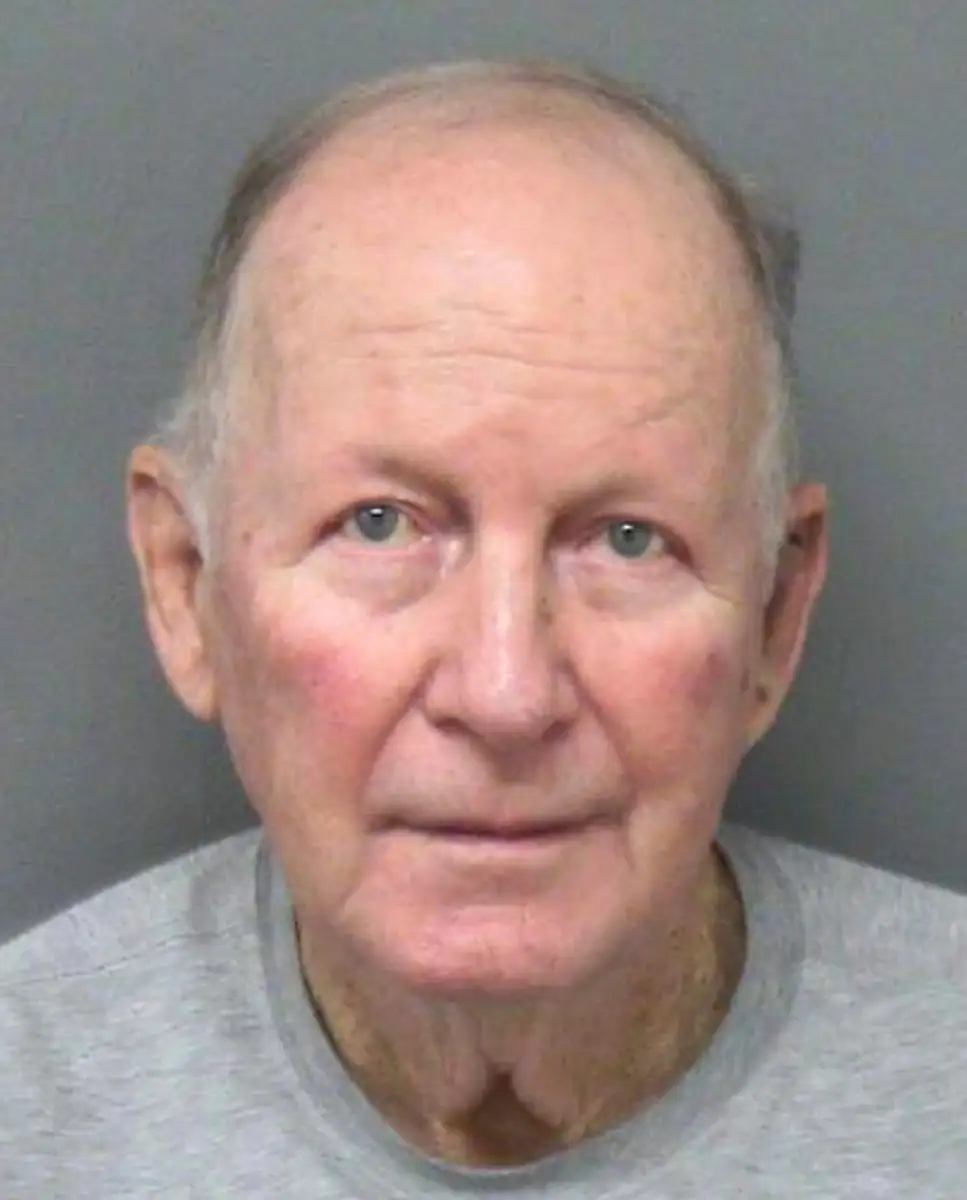
"He didn't want to shoot her but he thought she was going to kill him," the incident report stated Brock told deputies, claiming the scammers had threatened to kill him, his family, and "everybody else."
This claim of self-defense, however, crumbled under scrutiny. Prosecutors and the jury found it impossible to justify Brock's actions, given that Toland-Hall was unarmed and posed no threat. The evidence points to Brock not only confronting her at gunpoint but also disarming her, taking her phone to prevent her from calling for help, and ultimately firing six shots.
Defenseless Victim: Loletha Toland-Hall was performing her job, unaware of the sinister plot unfolding. Reports confirm she was unarmed.
Escalating Violence: Brock not only threatened her but also prevented her from leaving and communicating, culminating in the fatal shooting.
Legal Rejection of Self-Defense: The court rejected Brock's self-defense claim, with Assistant Prosecutor Kadawni Scott arguing that a "reasonable person acting out of fear" would not have resorted to lethal force in such circumstances.
The haunting 911 call made by Brock after the shooting captured his distress, but it couldn't erase the reality of his actions.
The Scammers' Unseen Hand: A Double Tragedy
What makes this case particularly heartbreaking is that both William Brock and Loletha Toland-Hall were, in a sense, victims of the same scammer. While Brock was manipulated into committing a violent act, Toland-Hall was an innocent bystander caught in the crossfire of criminal deception.
Brock's Vulnerability: At 83, Brock was likely susceptible to the psychological manipulation employed by the scammers. Elderly individuals are often targeted due to perceived vulnerability and isolation.
Toland-Hall's Innocence: Loletha Toland-Hall, a 61-year-old Uber driver, was simply trying to earn a living. Her family has spoken out about the devastating impact of her loss. Her son, Mario Hall, delivered a poignant impact statement, highlighting how his mother's murder has irrevocably altered his life.
Prosecution's Perspective: Clark County Prosecutor Daniel Driscoll aptly summarized the situation: "Both families lost loved ones because of the scam." This statement underscores the shared tragedy and the destructive reach of these criminal operations.
| Actor | Role in the Incident | Awareness of Scam | Outcome |
|---|---|---|---|
| William J. Brock | Perpetrator of the shooting; victim of scam manipulation | Aware of being scammed; believed victim was part of it | Convicted of murder; life sentence |
| Loletha Toland-Hall | Victim of the shooting; innocent Uber driver | Unaware of Brock's scam or her role in it | Fatally shot; death |
| Scammers | Orchestrators of the scam; instigators of violence | Unknown | At large; identities unconfirmed |
Unanswered Questions and Broader Implications
This tragic event raises critical questions that demand further investigation and societal reflection:
Read More: Mackenzie Shirilla status in 2026 after Netflix accident series
Where are the Scammers? Despite the conviction of Brock, the perpetrators who orchestrated this elaborate scheme remain at large. What efforts are being made to identify and apprehend these individuals? How can law enforcement better track and dismantle these sophisticated fraud rings?
The Role of Technology in Crime: This case highlights how technology, including communication platforms used by rideshare drivers and phone networks, can be weaponized by criminals. What safeguards can be implemented to protect both drivers and individuals from such malicious exploitation?
Support for the Elderly: Given the prevalence of scams targeting seniors, what more can be done to educate and protect this demographic? Are there sufficient resources available for reporting and preventing such incidents?
The Future of Justice: Will Brock's sentence, a life term, truly serve justice when he himself was a victim of extreme psychological coercion? This raises complex ethical considerations about culpability when manipulation is involved.
The conviction of William Brock marks the end of a legal process for him, but it is far from the end of the story. The memory of Loletha Toland-Hall serves as a somber reminder of the devastating consequences when vulnerability meets malice, and the unseen architects of such schemes continue to operate with impunity. The justice system has delivered its verdict on Brock, but the true architects of this tragedy—the scammers—are still out there, a looming threat to others.