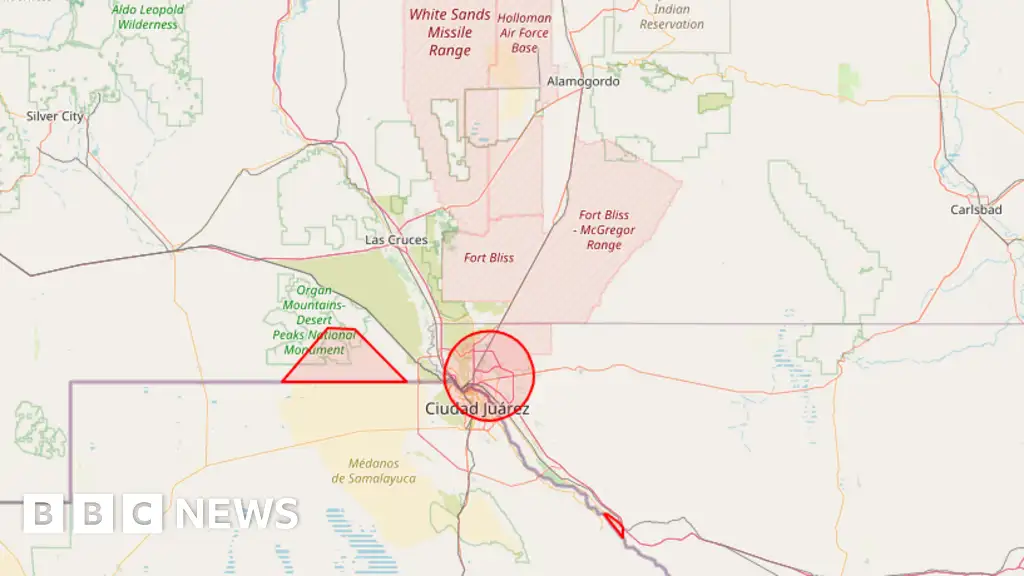
A swift, ten-day closure of airspace over El Paso, Texas, caused significant disruption to air travel and local operations. This action, later rescinded within hours, appears to stem from a complex interplay of U.S. military technology deployment, federal agency coordination issues, and concerns over drone activity near the border. The event highlights potential communication gaps between defense and aviation authorities.
Background of the Incident
On a recent Tuesday night, the Federal Aviation Administration (FAA) declared a sudden, ten-day closure of airspace around El Paso International Airport. This decision, citing "special security reasons," grounded all flights and caused immediate confusion among travelers, airlines, and local officials. The FAA later reopened the airspace, stating there was no threat to commercial aviation. This abrupt closure and rapid reopening have prompted inquiries into the underlying causes.
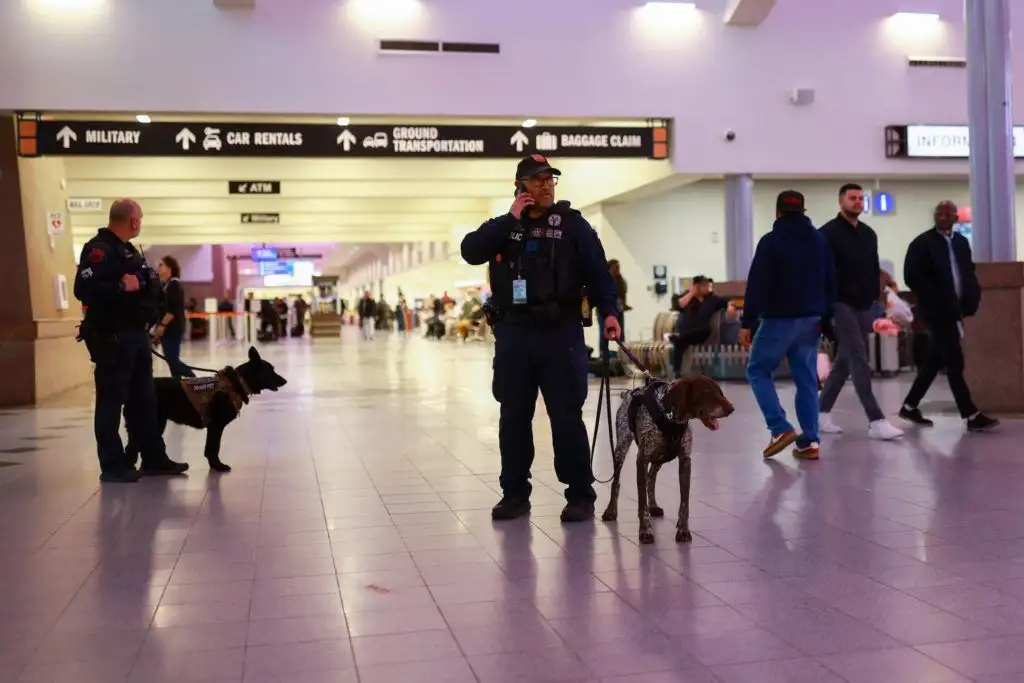
Key Actors and Their Roles
The situation involved several entities, including:
Read More: US 250th Anniversary: Pride Divided by Politics

The Federal Aviation Administration (FAA): Responsible for regulating civil aviation and airspace safety. The FAA initiated the closure and later lifted it.
The Pentagon/U.S. Department of Defense: Allegedly involved in testing or deploying anti-drone technology, specifically a high-energy laser.
Customs and Border Protection (CBP): Sources suggest CBP may have been in control of the laser technology when it was used.
U.S. Elected Officials: Representatives like Veronica Escobar and Tony Gonzales were reportedly uninformed of the closure.
Mexican Officials: Expressed concerns that the U.S. airspace action might signal an incursion into Mexican territory.
The Sequence of Events
Evidence suggests the following timeline of events:

Deployment of Anti-Drone Technology: The U.S. military, potentially through CBP, authorized the use of a high-energy laser system designed to counter drones.
Test or Incident Occurs: This technology was reportedly used to shoot down an airborne object.
Identification of the Object: Initial reports and official statements indicated the object was a Mexican cartel drone. However, later accounts suggest it may have been a party balloon.
FAA's Decision to Close Airspace: In response to the use of this technology and potential risks, the FAA Administrator Bryan Bedford decided to close El Paso's airspace. This decision was made late Tuesday night.
Lack of Coordination: Reports indicate that the Pentagon's plan to use the laser was not adequately coordinated with the FAA regarding potential risks to civilian flights. Furthermore, FAA's decision to close the airspace did not immediately alert key White House, Pentagon, or Homeland Security officials.
Reopening of Airspace: After the airspace was closed for several hours, the FAA lifted the restriction. Pentagon officials later authorized the use of the laser, and within minutes, the FAA reopened the airspace.
Disputed Accounts of the Trigger
Conflicting reports exist regarding the precise event that led to the FAA's decision to close the airspace.
Cartel Drone Theory: Some officials, including those from the White House, have linked the closure to a "cartel drone incursion" from Mexico. This narrative was particularly emphasized by the Trump administration.
Party Balloon and Laser Test Theory: Other sources and reports suggest that the object shot down was a party balloon, and the closure stemmed from a disagreement over the Pentagon's planned use of a high-energy laser to counter drones, without sufficient coordination with the FAA.
Agency Communication Lapses
A significant aspect of this incident appears to be a breakdown in communication between federal agencies.
Uninformed Officials: Elected officials representing the El Paso area and local authorities were reportedly not notified in advance of the airspace closure.
Pentagon-FAA Disagreements: Sources indicate that the FAA and Pentagon had disagreements over the testing and deployment of drone-related technologies and the potential risks they posed to civilian air traffic.
Internal Frustration: Reports suggest internal frustration within the White House was directed at Transportation Secretary Sean Duffy, whose department oversees the FAA, over the handling of the situation.
International Reactions
The airspace closure also drew attention from Mexico.
Fear of Incursion: Mexican security officials reportedly worried that the U.S. action might be a precursor to a strike against drug kingpins in the border state of Chihuahua.
Unacceptable Operations: Mexican President Claudia Sheinbaum has stated that such operations are unacceptable.
Expert Perspectives
"The FAA closes airspace when there is a threat. If there was no threat to commercial aviation, then the closure for 'special security reasons' is perplexing without further explanation."
— Juliette Kayyem, Former U.S. Department of Homeland Security Assistant Secretary
Former officials suggest that proper coordination between military operations and civilian air traffic control is essential. The speed at which the airspace was reopened also raises questions about the initial justification for its closure.
Unresolved Questions and Next Steps
The incident has left several questions unanswered:
Exact Nature of the Downed Object: Was it a cartel drone, a party balloon, or something else?
Responsibility for Coordination Failure: Who is ultimately accountable for the lack of communication between the FAA and the Pentagon?
Long-Term Implications for Border Security Technology: How will this incident affect the future deployment and coordination of advanced anti-drone technologies near the border?
Further investigation into the specific protocols and communication channels between defense and aviation agencies is warranted to prevent similar disruptions. The role of CBP in operating the laser technology also requires clarification.
Sources
AP News: Published 3 days ago. https://apnews.com/live/faa-el-paso-texas-air-space-closed-updates
BBC News: Published Date not specified, assumed recent]. [https://www.bbc.com/news/articles/cqxdwjn578do
PBS NewsHour: Published Date not specified, assumed recent]. [https://www.pbs.org/newshour/show/what-caused-the-sudden-and-confusing-closure-of-el-pasos-airspace
AP News: Published 2 days ago. https://apnews.com/article/faa-el-paso-texas-air-space-closed-1f774bdfd46f5986ff0e7003df709caa
NPR: Published 2 days ago. https://www.npr.org/2026/02/11/nx-s1-5711585/el-paso-airspace-drones-pentagon-faa
CNN: Published 2 days ago. https://www.cnn.com/2026/02/11/us/faa-el-paso-texas-flight-restrictions-hnk
El Paso Times: Published 2 days ago. https://eu.elpasotimes.com/story/news/2026/02/11/what-we-know-about-what-caused-el-paso-airspace-to-close-briefly/88629288007/
CBS News: Published 2 days ago. https://www.cbsnews.com/news/airspace-closure-followed-spat-over-drone-related-tests-and-party-balloon-shoot-down-sources-say/
Newsweek: Published 3 days ago. https://www.newsweek.com/el-paso-airspace-update-faa-notam-white-house-11503966
Times Now News: Published 3 days ago. https://www.timesnownews.com/world/us/us-news/el-paso-airspace-closure-party-balloon-mexican-cartel-drone-high-energy-laser-article-153597918
CNN Politics: Published 1 day ago. https://www.cnn.com/2026/02/12/politics/el-paso-trump-administration-finger-pointing
CBS News: Published 3 days ago. https://www.cbsnews.com/news/faa-grounds-all-flights-into-and-out-of-el-paso-until-late-on-feb-20-for-special-security-reasons/
Los Angeles Times: Published 14 hours ago. https://www.latimes.com/world-nation/story/2026-02-13/mexican-officials-feared-el-paso-airspace-closure-signaled-u-s-incursion-into-mexico
NBC News: Published Date not specified, assumed recent]. [https://www.nbcnews.com/politics/national-security/cbp-shot-party-balloons-anti-drone-tech-faa-closed-el-paso-airspace-so-rcna258731