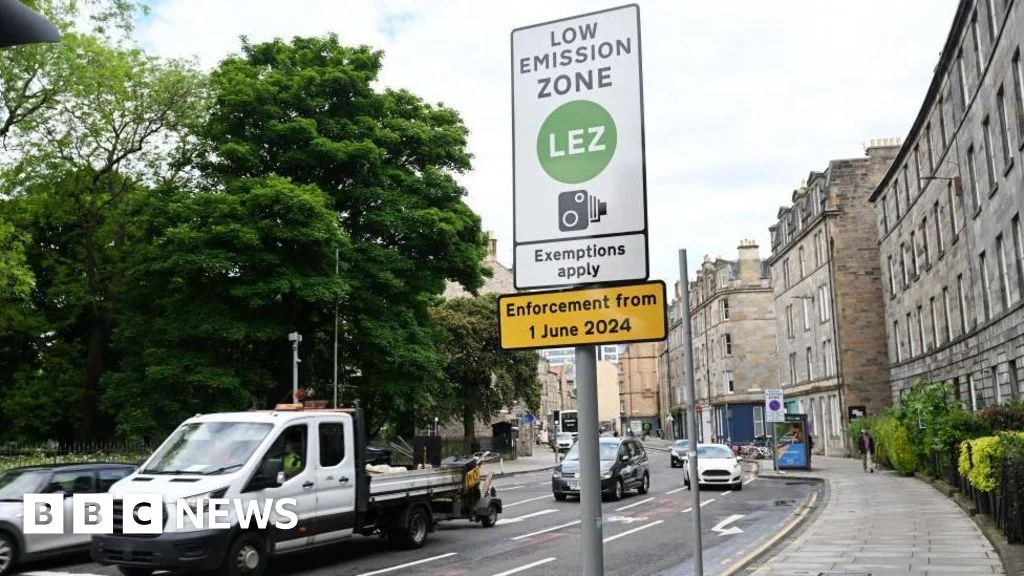
Edinburgh's bold move to curb pollution with a Low Emission Zone (LEZ) has generated significant revenue, raking in a cool £1 million in its first year of full enforcement. However, a closer look reveals a puzzling financial shortfall – a staggering £800,000 that the council seems to have forfeited. This isn't just about numbers; it's about accountability, transparency, and the true cost of "greening" our cities.
The LEZ, implemented to combat harmful vehicle emissions and create a healthier urban environment, has undeniably impacted drivers. While official reports highlight a positive trend in air quality and increased use of public transport, the financial discrepancies raise critical questions. How can a system designed to be a revenue generator for environmental initiatives, and a deterrent to polluting vehicles, leave such a substantial amount of potential income on the table?
The £1 Million Question: Where Did the Other £800,000 Go?
Edinburgh's LEZ, which began its penalty phase on June 1, 2023, has clearly been active. Reports indicate that over 2,700 more motorists were penalised in Edinburgh compared to Glasgow in the LEZ's initial year. This suggests a robust enforcement mechanism. The total revenue collected stands at approximately £1 million. This money is earmarked for "greening" initiatives, including supporting public transport trials, installing traffic sensors, and air quality research.
Read More: Minister Asks to Stop New Top Job Choice Until Old Files Are Out

However, the narrative of success is complicated by a significant amount of uncollected or waived penalties. While the exact figures are complex, estimates suggest that as much as £800,000 in potential fines was not realised. This figure arises from a substantial number of Penalty Charge Notices (PCNs) being cancelled. The council cites various reasons for these cancellations, including:
Cars diverted into the LEZ due to roadworks.
Compassionate grounds.
Technical errors or valid exemptions.
The fundamental question remains: is this high cancellation rate a sign of an inefficient system, or a deliberate mechanism to mitigate the LEZ's impact on certain drivers?
A Tale of Two Cities: Edinburgh vs. Glasgow's LEZ Fines
Comparing Edinburgh's LEZ performance to that of Glasgow offers a stark contrast in enforcement and revenue. While both cities have implemented LEZs, their financial outcomes and penalty rates differ significantly.
Read More: Plan to Build Big Ice Wall to Save Doomsday Glacier

| City | Total Revenue (approx.) | Estimated Penalties Cancelled (approx.) | Motorists Penalised (relative) |
|---|---|---|---|
| Edinburgh | £1 million | £800,000 | 2,700+ more than Glasgow |
| Glasgow | Not specified | Not specified | Lower than Edinburgh |
Glasgow's LEZ, which started its penalty enforcement earlier, has also faced its own challenges. Notably, Glasgow City Council spent nearly £1.5 million on hiring replacement vehicles because its own fleet did not comply with the LEZ rules it introduced. This "hypocrisy," as one motoring expert called it, highlights the potential for self-inflicted financial burdens on councils implementing these zones.
Why does Edinburgh seem to be foregoing a larger sum in potential fines than might be expected? Is the system designed to be lenient, or are there deeper administrative or technical issues at play?
The Promise of Cleaner Air: Measurable Results, Unanswered Questions
The primary objective of the LEZ is to improve air quality, specifically by reducing harmful Nitrogen Dioxide (NO₂) emissions. Official reports, including Edinburgh's most recent Air Quality Annual Progress Report (APR), suggest the LEZ is achieving this. There's evidence of a consistent downward trend in NO₂ concentrations across the city centre and residential areas.
Read More: Minister and Mayor Disagree with Businessman on Immigration
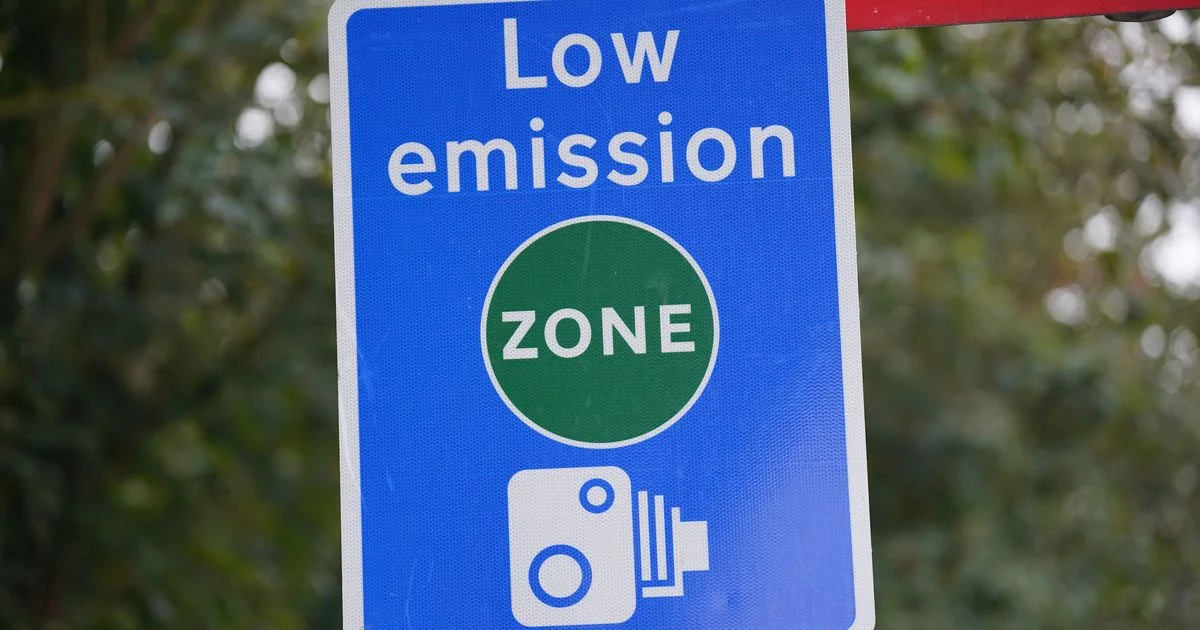
Furthermore, studies from organisations like the Institute of Occupational Medicine (IOM) indicate an increase in active travel and public transport use within the LEZ in the initial months of enforcement. The council's transport convener, Stephen Jenkinson, points to these figures, alongside initiatives like a trial cycle hire scheme and the City Mobility Plan, as proof that the city is moving in the "right direction."
However, the positive environmental and transport statistics are intertwined with the financial paradox.
If the LEZ is so effective at deterring polluting vehicles, why are so many PCNs being cancelled?
Does the significant cancellation rate undermine the LEZ's intended deterrent effect?
Are these "compassionate" cancellations applied consistently, or do they create a two-tier system of enforcement?
Small Businesses Bear the Brunt: The Hidden Costs of LEZ
Beyond the council's balance sheet and the city's air quality readings, the LEZ's impact on individuals and small businesses warrants close examination. Liam Cassidy, a joiner who owns LA Joinery & Building Ltd, has voiced his frustration, claiming the LEZ has caused him to miss out on "up to £10,000" in city centre jobs. His business, like many others, relies on access to the city centre for work.
Read More: Cartoonist Rohan Chakravarty Uses Funny Pictures to Teach About Nature
This highlights a critical tension: while the LEZ aims for a healthier city for everyone, its implementation can inadvertently create significant economic barriers for those who are essential to the city's functioning, particularly small tradespeople.
Have small businesses like Liam Cassidy's been adequately consulted and supported through the LEZ transition?
Are there sufficient mitigation strategies in place for tradespeople whose livelihoods depend on access to the city centre?
How does the council balance the environmental benefits against the economic impact on self-employed individuals and small firms?
Transparency and Accountability: What's Really Happening with LEZ Funds?
The LEZ regulations stipulate that any surplus income, after meeting operating costs, must be used towards the scheme's wider objectives. This is a crucial point of accountability. The collected £1 million is reportedly earmarked for projects like bus lane trials, traffic sensors, and air quality research.
Read More: Jim Ratcliffe Criticized for Immigration Comments
Yet, the substantial number of waived fines, coupled with reports of other councils (like Glasgow) facing massive bills for non-compliant council vehicles, raises questions about overall financial management and transparency. The very notion that a council might have to pay significant sums to lease compliant vehicles for its own operations, while penalising citizens for the same issue, breeds distrust.
Can the council provide a detailed breakdown of how the £1 million in LEZ revenue has been spent?
What specific criteria are used to determine when a PCN is cancelled for "compassionate reasons" or due to roadworks? Is this process auditable?
How does the council ensure that the revenue generated is directly and demonstrably contributing to the stated environmental objectives?
Conclusion: A Healthy City or a Financial Puzzle?
Edinburgh's LEZ has undoubtedly initiated a conversation about air quality and sustainable transport, generating a substantial sum for environmental projects. The reported improvements in air quality and shifts in transport habits are positive indicators.
Read More: UK Winters Are Getting Wetter, Scientists Say
However, the £800,000 in uncollected fines presents a significant enigma. It points to potential inefficiencies, policy choices, or even systemic flaws that need rigorous investigation. The impact on small businesses, the comparative performance with other cities, and the ultimate use of funds all demand greater clarity.
As Edinburgh strives to be a model of a sustainable city, it must also be a model of transparency and accountability. The missing £800,000 isn't just a financial detail; it's a signal that a deeper, more critical examination of the LEZ's implementation and its true costs and benefits is urgently required. Citizens and businesses deserve to understand precisely how this significant public policy is functioning, beyond the headline figures.
Sources:
City of Edinburgh Council loses out on £800,000 in LEZ cash - The Herald
Edinburgh Lez penalties fund council projects - Smart Cities World
Edinburgh joiner slams LEZ as he misses out on 'up to £10k' in city centre jobs - Edinburgh Live
Edinburgh issues over 6,000 Low Emission Zone fines in a month - BBC News
Edinburgh Council issues more than 6,000 LEZ fines in a month - Sky News
Edinburgh marks a year of Low Emission Zone (LEZ) enforcement - Edinburgh Council
Glasgow City Council makes almost £500,000 from LEZ - BBC News
Progress made on plans to introduce LEZ in Edinburgh - Edinburgh Council
Clean air success: penalty charges down 48% in Edinburgh since LEZ introduction - NEN
Read More: Cabinet Secretary Job Delayed Because of Mandelson Papers