:max_bytes(150000):strip_icc()/byr-anti-aging-serums-test-loreal-paris-cell-renewal-anti-aging-midnight-before-after-masego-manamela-9868d82b39b64266924421b770c835ea.jpeg)
DRUGSTORE FINDS PROMISE DEWY COMPLEXIONS AMIDST WINTER CHILL
Several readily available serums, touted for their skin-plumping and hydrating capacities, have surfaced as contenders in the ongoing quest for a more radiant complexion. These products, often featuring a blend of hyaluronic acid with other lauded ingredients like vitamin C, ceramides, and glycerin, aim to address issues ranging from dryness and uneven tone to the visible signs of aging.
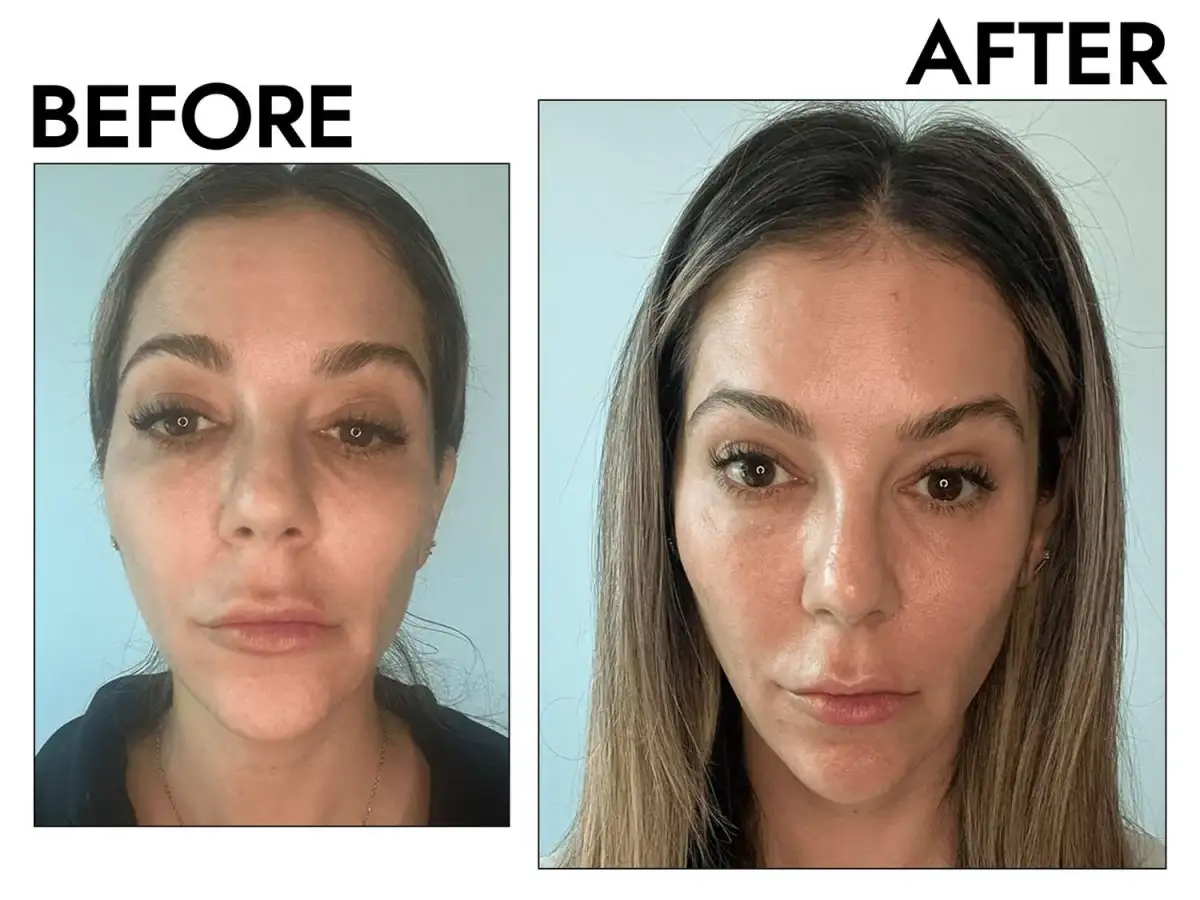
THE HYDRATION PROMISE
A prominent claim across various reports centers on the moisture-retaining properties of hyaluronic acid. Dermatologists and beauty writers alike point to its efficacy, particularly during colder months when skin tends to lose moisture. The ingredient is frequently cited as essential for dry skin routines, with the potential to leave skin feeling "glowy" and "hydrated."
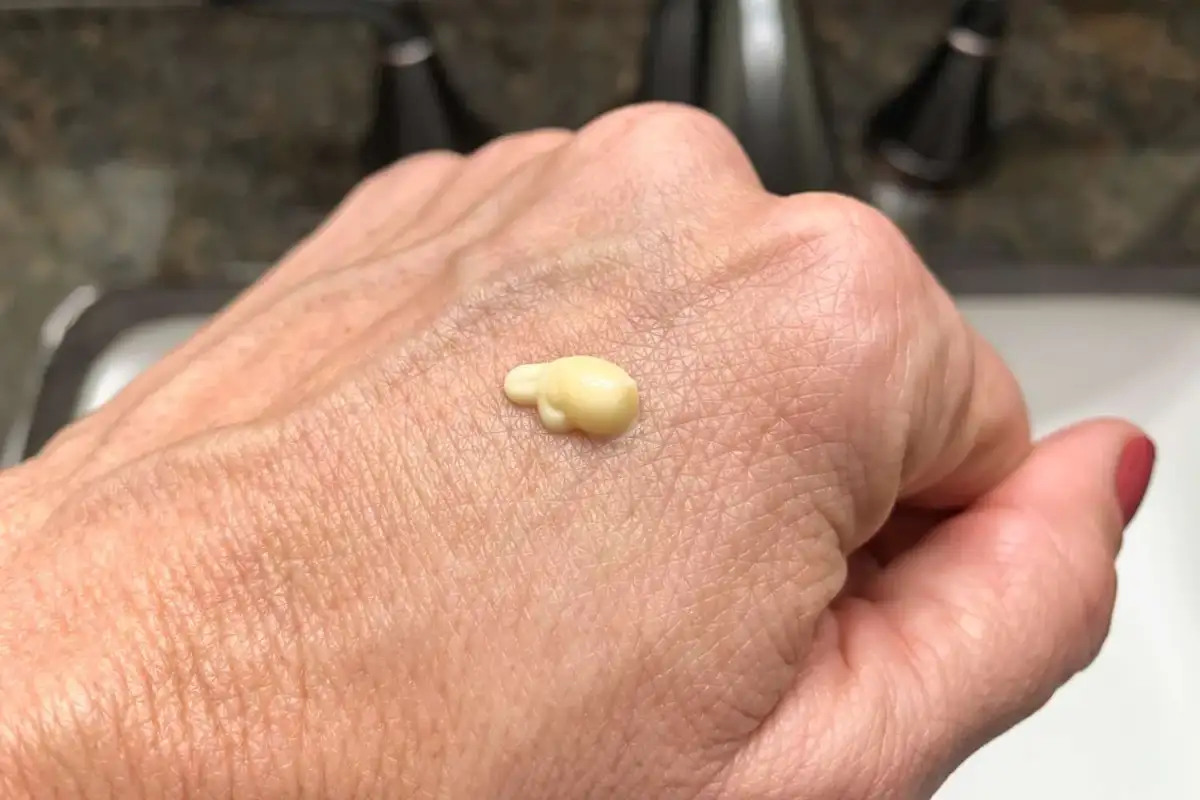
Key formulations highlighted include:
Naturium Quadruple Hyaluronic Acid Serum 5%: Praised for containing multiple weights of hyaluronic acid, this serum is described as nourishing, providing a nongreasy glow, and softening the skin. Testers noted a "bouncy and healthy" skin appearance, akin to a post-facial look.
CeraVe Vitamin C Serum with Hyaluronic Acid: This option targets hyperpigmentation by evening out the complexion. It's described as lightweight, hydrating, and suitable for wear under makeup, though it may cause breakouts in sensitive individuals. Users reported a more even and radiant appearance with consistent use.
CeraVe Hydrating Hyaluronic Acid Serum: Positioned as a drugstore favorite for combination or sensitive skin, this serum offers hydration without being heavy or irritating. It’s recommended for sensitive skin types requiring low-concentration, soothing formulas.
Yes To Grapefruit Daily Brightening Serum: This budget-friendly serum is credited with imparting a radiant glow and controlling oil production. It also aims to even out skin tone. While effective for brightening and hydration, its inclusion of fragrance may pose a risk for sensitive skin.
EXPERT OPINIONS AND USAGE GUIDELINES
The application and selection of hyaluronic acid serums appear to be a nuanced process, with advice often tailored to specific skin concerns. For those with mature skin, serums are evaluated for their ability to boost elasticity and improve skin texture. Acne-prone skin, conversely, is said to benefit from lightweight, non-comedogenic options.
Read More: Rhode Skincare Faces Questions About Redness Ingredient and Product Texture in February 2024

A typical usage pattern involves applying serum twice daily to clean, dry skin, often sandwiched between cleansing and moisturizing steps. Discussions also touch upon the compatibility of hyaluronic acid with other skincare ingredients, such as vitamin C, and the potential for combining multiple hyaluronic acid serums, with some suggesting that one is generally sufficient.
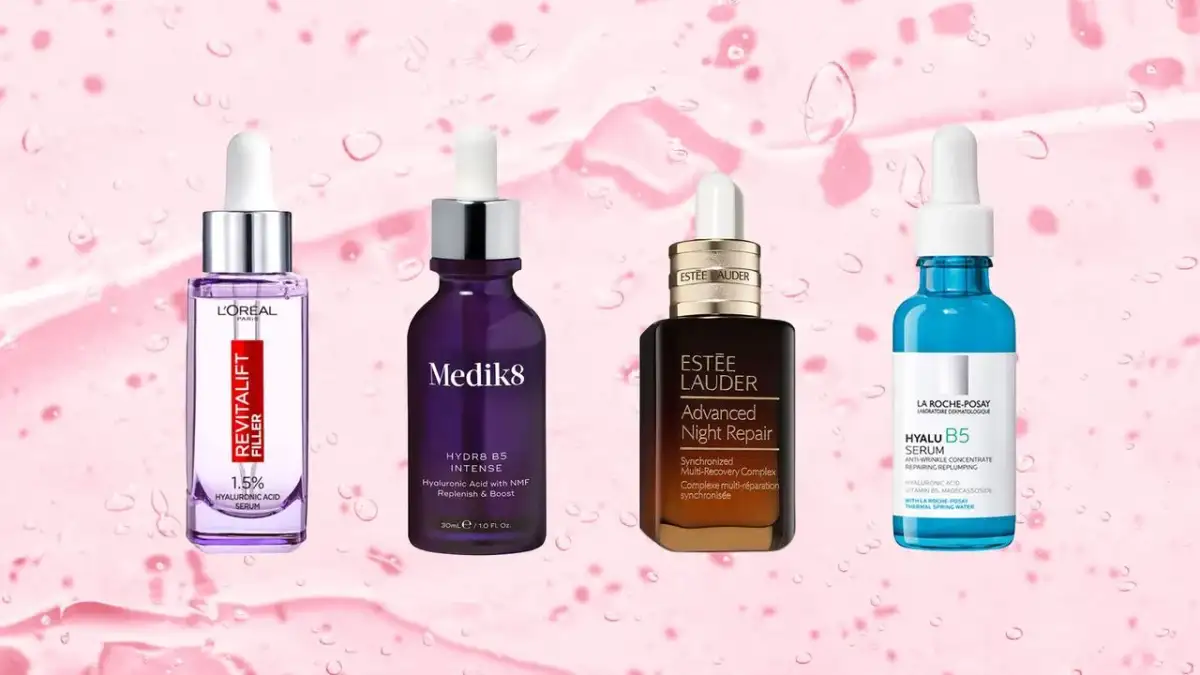
A DIVERSE MARKETPLACE
The landscape of hyaluronic acid serums is vast, encompassing a range of products from budget-friendly drugstore finds to higher-end formulations. The effectiveness of these serums is often linked to factors such as the molecular weight of the hyaluronic acid used and the presence of complementary ingredients like glycerin and ceramides. Products are assessed not only on their ingredient lists but also on their tactile feel and how they integrate with other skincare products in a routine.
Read More: Gucci Westman brand strategy for 2026 skin-first makeup routines
BACKGROUND: THE SCIENCE OF HYDRATION
Hyaluronic acid is a naturally occurring substance in the body known for its capacity to hold large amounts of water. In skincare, it functions as a humectant, drawing moisture from the environment into the skin, thereby contributing to hydration, plumpness, and a smoother appearance. Its benefits are broadly recognized for combating dryness, fine lines, and general signs of aging, making it a ubiquitous ingredient in contemporary skincare formulations.


:max_bytes(150000):strip_icc()/GettyImages-2278551725-50710cd65d104f41880e3e15f0caa8fe.jpg)