

:max_bytes(150000):strip_icc()/Drew-Carey-030624-5c7cdb40ca6a4cffb8893a61856e0efd.jpg)
PROLONGED DENIAL LEADS TO MEDICAL INTERVENTION
Television personality Drew Carey recounted experiencing a heart attack while filming his sitcom, initially dismissing symptoms such as chest tightness and shoulder numbness as side effects of jogging and a general misconception of what a heart attack entails. The performer eventually sought medical help after symptoms persisted, leading to a hospital stay and the insertion of a stent.
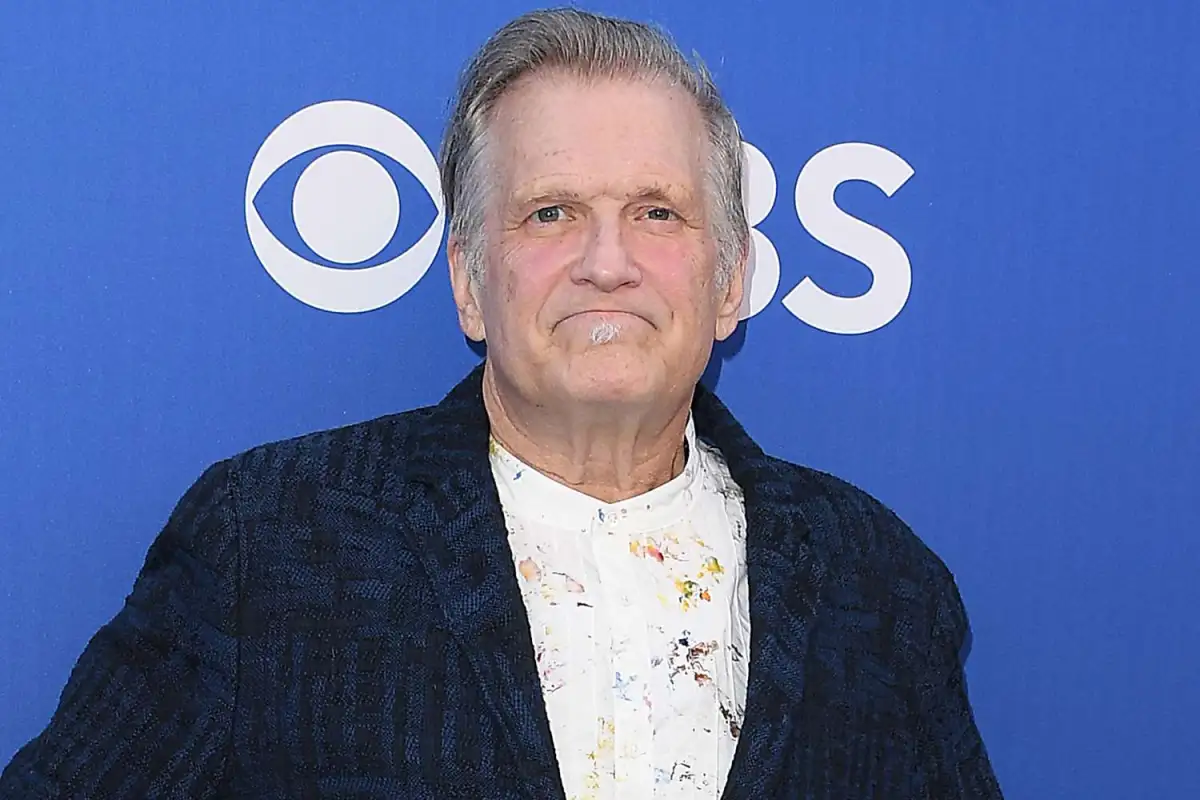
Carey, who appeared on Ted Danson's podcast "Where Everybody Knows Your Name," detailed his experience, which occurred around the time he was preparing for the upcoming season of his show. He began a jogging regimen for weight loss, noting that he "barely even touch[ed] a vegetable" prior to this. During a jogging session, his heart rate reportedly spiked to 160 beats per minute, accompanied by numbness in his shoulder. He interpreted this as a consequence of exercise, not a medical emergency.
Read More: Hyderabad AIG Hospitals Offers New Non-Invasive Brain Tumor Treatment
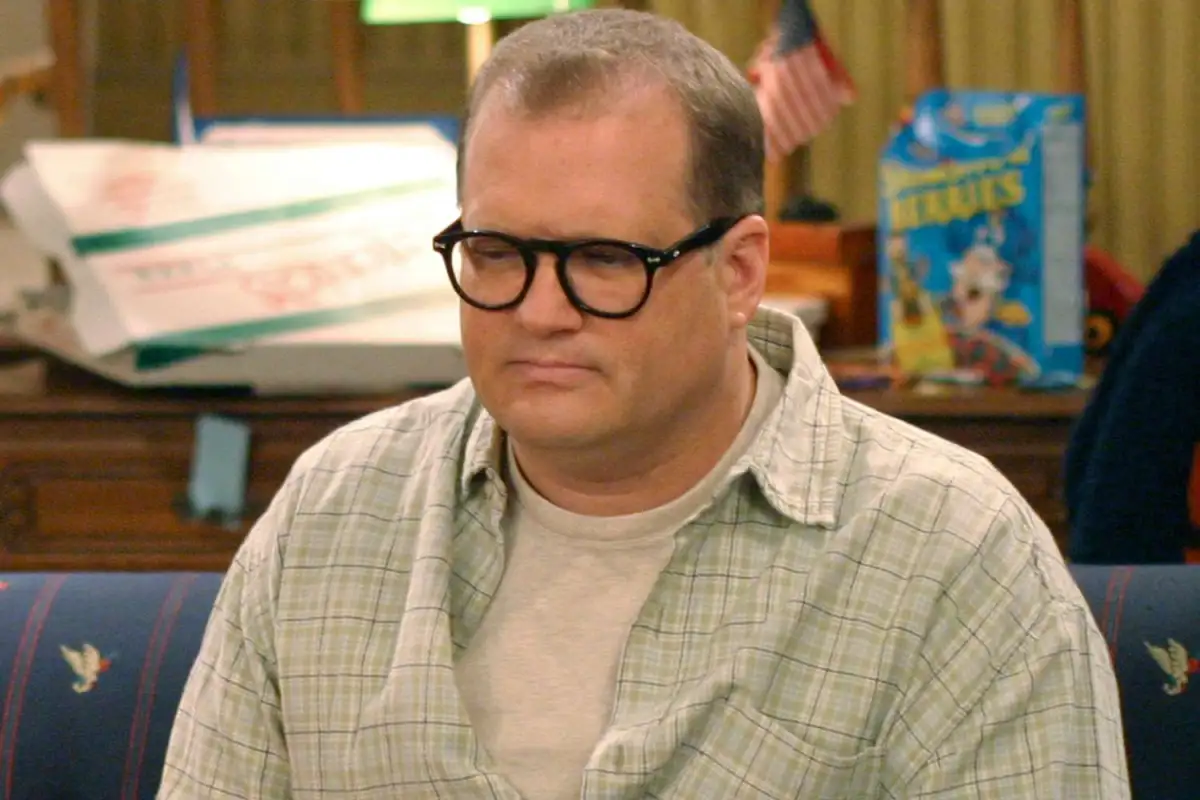
Upon returning to work, the discomfort returned. While laughing vigorously during a table read, Carey experienced chest tightness. He initially attempted to downplay the sensation, excusing himself to his trailer. However, the continued struggle to ascend stairs to his trailer prompted him to contact a producer for an ambulance. He also shared a poignant moment, saying goodbye to his friend Sam Simon, who was directing on set, as he "didn't know what was going to happen."

At the hospital, Carey underwent a procedure to have a stent placed in one of his arteries. He remained hospitalized for two nights. Following this event, Carey has reportedly made significant lifestyle adjustments, including eliminating alcohol and adopting a healthier diet. Nine years after the heart attack incident, he was diagnosed with type 2 diabetes.
Read More: Cody Simpson Seen With Mystery Woman at F1 Event Amid Emma Brand Complaints
MISUNDERSTOOD DANGERS
Carey attributed his initial dismissal of symptoms to a common misunderstanding of heart attacks. He stated, "I thought that’s what happened when you had a heart attack," envisioning a more dramatic, chest-clutching scenario leading to immediate collapse. This perceived lack of overt, incapacitating pain contributed to his decision to continue his activities rather than seek immediate medical attention.
The timeline of events indicates Carey first experienced concerning symptoms while jogging. He attempted to continue his exercise, albeit at a slower pace, when his heart rate elevated again. The symptoms resurfaced during rehearsals for the show, ultimately compelling him to acknowledge the severity of his condition. He described the chest tightening as a persistent feeling that signaled a true medical crisis.