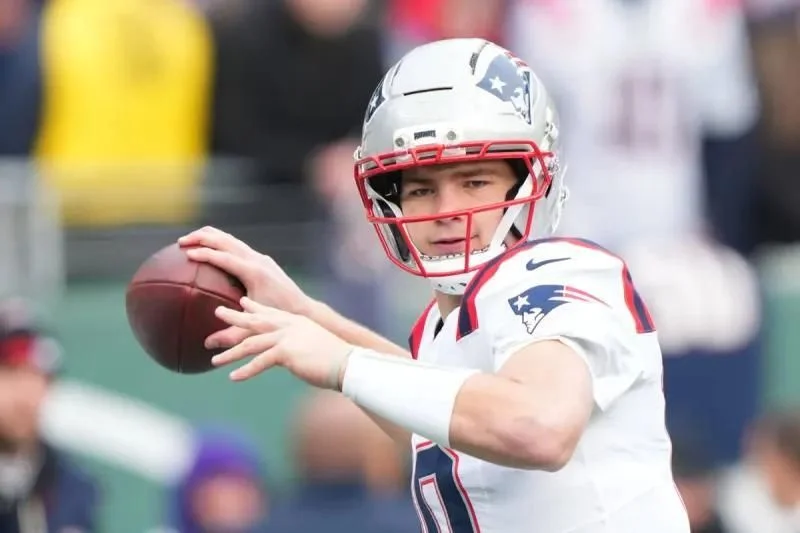
New England Patriots quarterback Drake Maye has officially confirmed he will undergo no surgical procedures on his throwing shoulder this offseason. Despite a taxing conclusion to the 2025 season—capped by a 29-13 loss to the Seattle Seahawks in Super Bowl LX—the organization maintains the injury is effectively managed through rest.
Maye confirms no surgery required; recovery is restricted to rest and time off.
Status Report
| Metric | Status |
|---|---|
| Surgery Required | None |
| Current Condition | "Feeling great" (as of March 31, 2026) |
| Post-Season History | Sustained pain; utilized anesthetic injection for Super Bowl LX |
Maye, who finished the championship game completing 27-of-43 passes for 295 yards, admitted to relying on pain-killing injections to participate in the contest. While the injury caused significant discourse regarding his performance—specifically during a game defined by six sacks and three turnovers—the quarterback continues to deflect suggestions that the shoulder served as a definitive excuse for the team's loss.
Recent updates indicate Maye has returned to standard physical activities, including throwing and lifting, without reported setbacks.
Read More: Mike Vrabel Attends Wedding Amid Scandal
Context and Observations
The timeline of the injury remains somewhat obscured by internal team reporting. Initial concerns surfaced following the AFC Championship game against the Denver Broncos. Although speculative reports circulated regarding the origin of the ailment, the player himself noted the necessity of "time away from football" as the primary recovery protocol.
The injury manifested on team reports throughout the lead-up to the Super Bowl, yet Maye played every snap of the final contest. As of early April 2026, the focus has shifted toward the 2026 campaign, with team leadership emphasizing the need for improved offensive protection to prevent future physical attrition for their starting quarterback.
This recovery trajectory highlights the league's recurring struggle between athlete availability and the long-term toll of playoff-season collisions.