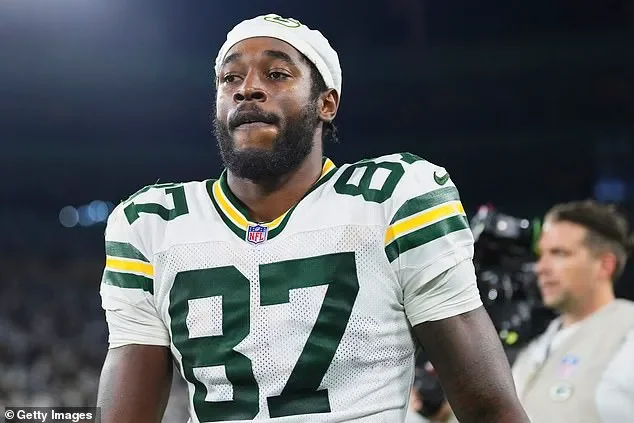
The New England front office is preparing to strip the roster of high-cost labor to satisfy the 2026 salary cap. Current projections prioritize raw financial flexibility over locker room cohesion, placing several established starters in a precarious state of employment. Management views these players as bloated ledger entries rather than foundational pieces, despite their previous utility to young quarterback Drake Maye.

Stefon Diggs faces a bifurcated evaluation; his role as a primary target for Maye clashes with a contract that offers significant relief if dissolved.
Anfernee Jennings sits at a schematic crossroads, ranking high on "cut lists" due to a perceived friction with Coach Vrabel’s specific defensive requirements.
The 2026 "cap crunch" marks a reversal from the 2025 period of excess, forcing a culling of veterans to make room for hypothetical free-agent arrivals.
THE DISPOSABLE ELITE
The logic of the 2026 offseason treats player longevity as a liability. Stefon Diggs, who provided a reliable safety net for a developing quarterback, is now weighed against the 'cap space' he occupies. While the field output suggests he is functional, the internal math suggests he is expensive.
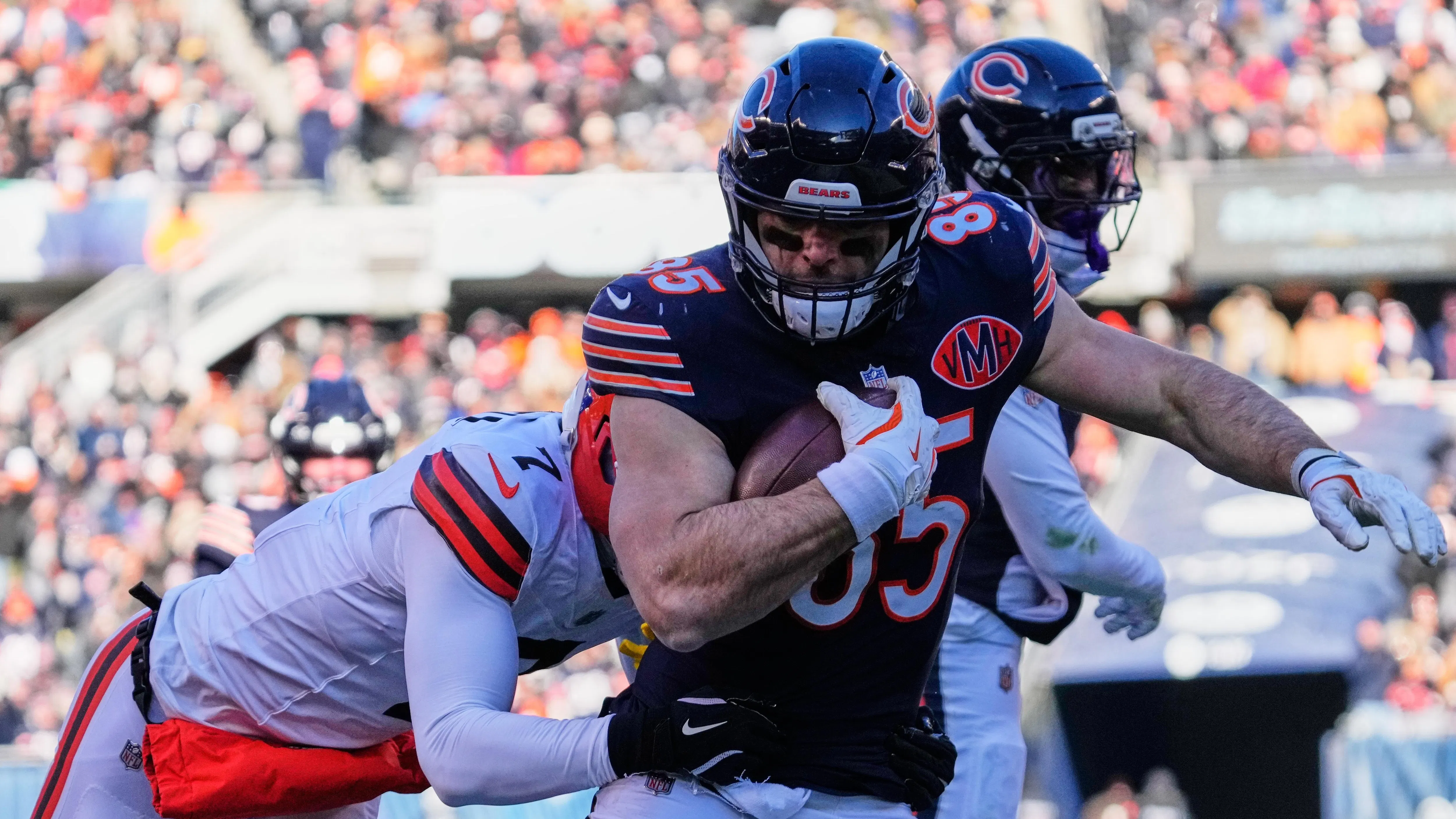
"On the one hand, his relationship with Maye made him one of the young QB’s favorite targets… on the other hand, his ongoing legal proceedings are well documented, and he’d also provide the most cap space of any player on New England’s roster if cut."
The machinery of the league demands a 'succession plan' before the talent is actually removed. This creates a permanent instability where the athlete must perform while the organization shops for their cheaper replacement.
Read More: ESPN names Detroit Lions a 'bold prediction' for 2026 NFL season
SCHEMATIC OBSOLESCENCE
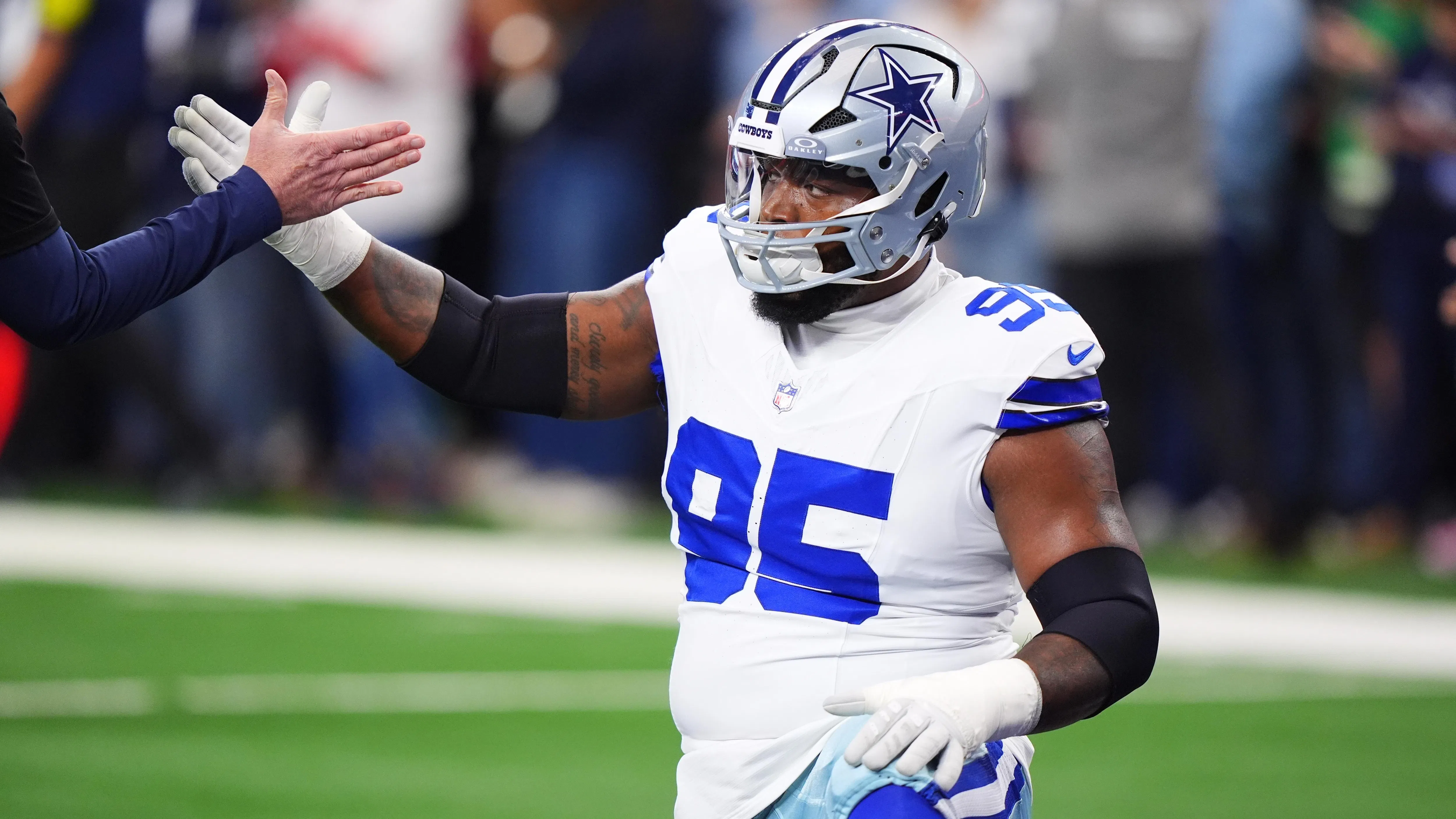
In the defensive rooms, the transition to Vrabel’s tactical preferences has rendered certain physical profiles obsolete. Anfernee Jennings finds himself as the 8th most likely casualty on regional rankings.
| Player | Status | Risk Factor |
|---|---|---|
| Anfernee Jennings | Vulnerable | Does not align with the new 'edge defender' archetype. |
| Stefon Diggs | Volatile | High cap savings vs. legal/off-field complications. |
| Unnamed Veterans | Endangered | 'Favorable' contracts make them easy to discard for 'younger, athletic' labor. |
The organization is no longer rewarding the "seamless transition" or "locker room fit" that defined the previous year. Instead, they are pursuing a mechanical optimization—seeking to be younger and more 'athletic' at the wideout position, even if it degrades the immediate quality of the product on the field.
RECYCLING EXTERNAL FAILURES
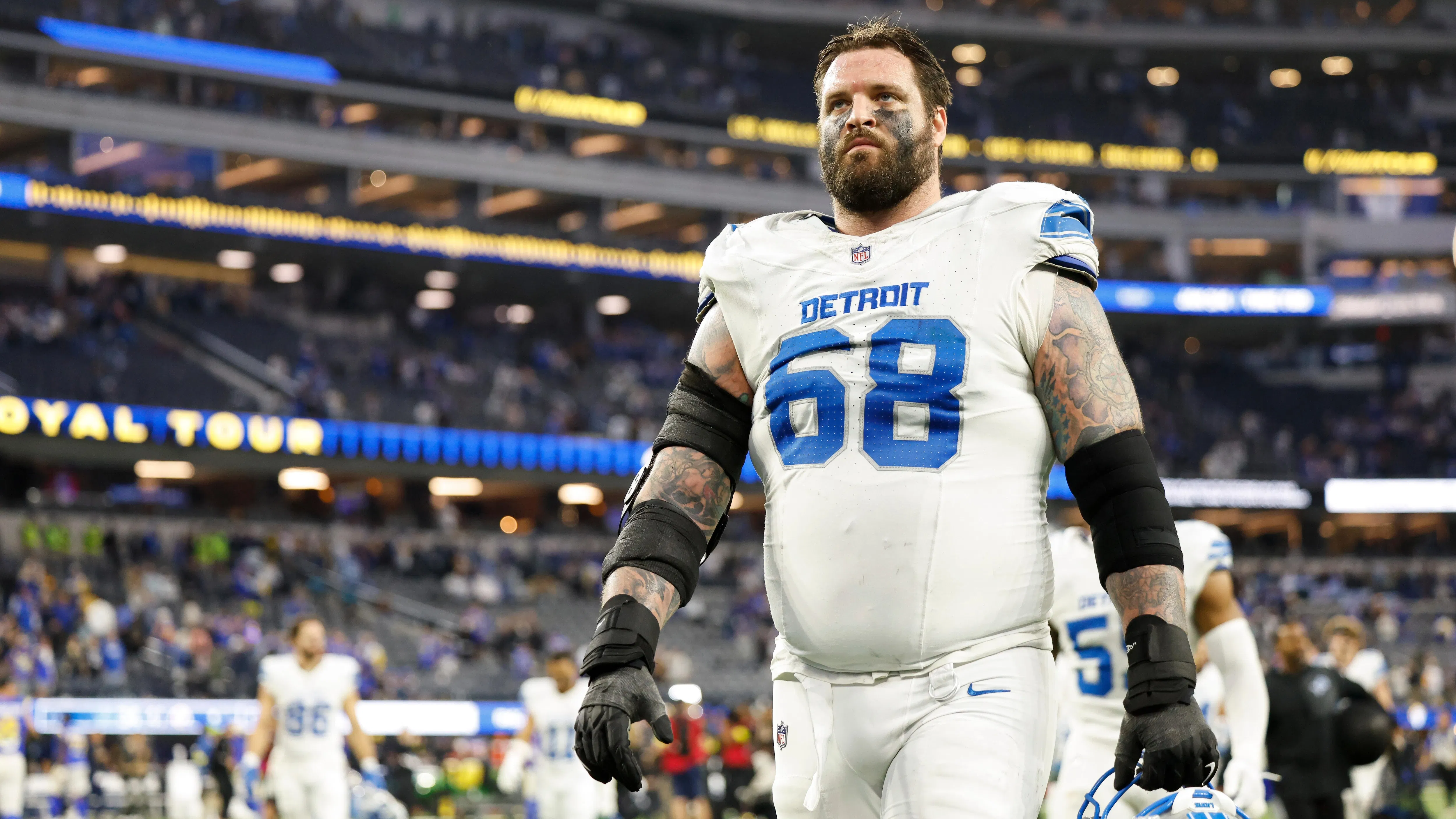
The Patriots' strategy involves not just internal liquidation but the scavenging of other teams' financial victims. Previous targets like Javon Hargrave and Braden Smith represent the league's cycle of waste and recovery. The team hopes to find 'value' in players whom other franchises deemed too heavy for their own ledgers.
BACKGROUND: THE WEALTH ILLUSION
In early 2025, the New England Patriots were described as "strapped with cash," a phrase that suggested infinite growth. By early 2026, the tone shifted to a "looming cap crunch." This manufactured crisis is the primary driver for the current roster volatility. The team's inability to maintain a consistent core is a byproduct of a system that punishes mid-range veteran stability in favor of the gamble—the hope that a cheaper, unproven draft pick can replicate the output of a high-cost professional.
Read More: New England Patriots trade for A.J. Brown to help Quarterback Maye