On Tuesday afternoon, February 17, 2026, the rail network around Doncaster stopped moving due to a reported incident on the tracks. At approximately 16:12, official reports confirmed that all lines were blocked, affecting thousands of people traveling between major northern cities and London. Although the tracks have now reopened, the backlog of trains means that cancellations and late arrivals will continue for the rest of the day. This event follows a difficult week for the East Coast Main Line, which also dealt with a landslip near Wakefield just two days prior. Passengers are currently being asked to use different routes or wait for later services as companies try to get the schedule back to normal.
Sequence of Events and Affected Groups
The disruption began suddenly in the late afternoon, hitting the peak travel time for workers and students. National Rail and several private train companies quickly issued alerts to travelers.
Read More: Elizabeth Line Helps Londoners During Tube Strike on July 6
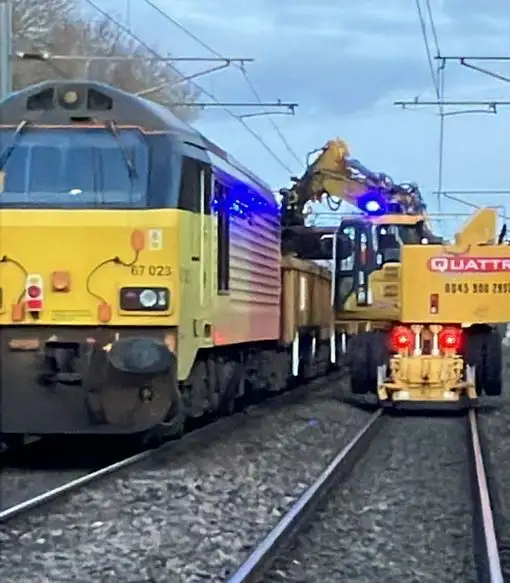
16:12 (Feb 17, 2026): Official report of an incident near Doncaster.
17:51 (Feb 17, 2026): Announcement that lines had reopened, but warnings of "disruption until the end of the day" remained in place.
Primary Locations: Lines between Doncaster and Scunthorpe, Sheffield, Hull, Leeds, and London Kings Cross.
Primary Operators: LNER, Northern, CrossCountry, TransPennine Express, and Hull Trains.
The main goal for rail staff is currently managing the flow of passengers across the network while crews ensure the tracks are safe to use at full speed.
Official Evidence and Service Data
The following information comes from official service alerts and transport logs. It shows how the rail companies are responding to the lack of available trains.

"Lines have reopened; disruption at Doncaster expected until the end of the day." — National Rail Official Statement.
| Operator | Route Impacted | Ticket Solution |
|---|---|---|
| CrossCountry | Newcastle to Birmingham / Reading | Use LNER or Northern services |
| LNER | Edinburgh / Leeds to London | Use any "reasonable route" |
| Northern | Sheffield to Hull / Leeds | Use TransPennine Express |
| Hull Trains | Hull to London Kings Cross | Buses or alternative operators |
Analysis of Recent Rail Challenges
To understand why the current situation is so difficult for travelers, we must look at the different problems that have happened in the same area over the last few days.
The Recent Landslip vs. Today's Incident
Earlier this week, specifically on February 15 and 16, a landslip occurred between Fitzwilliam and Wakefield Westgate. This caused a total stop of services in that specific area.
One perspective: Some reports suggest the current delays are a "recovery phase" from this landslip.
The opposing view: Official logs from February 17 treat the 16:12 event as a new, separate "incident" on the tracks.
Is the current problem a direct result of the weakened ground from the landslip, or did a new technical fault occur? The evidence does not yet confirm a link.
Read More: Doncaster Rovers Re-signs Full-back James Husband on May 23 2026
Ticket Flexibility and Passenger Rights
Train companies have opened "ticket acceptance" rules. This means if you have a ticket for a cancelled LNER train, you can use it on a Northern or CrossCountry train without paying more.

The Benefit: This prevents people from being stranded at stations.
The Conflict: This often leads to "severe overcrowding" as two or three trainloads of people try to fit onto a single working service.
Geographic Impact on the North
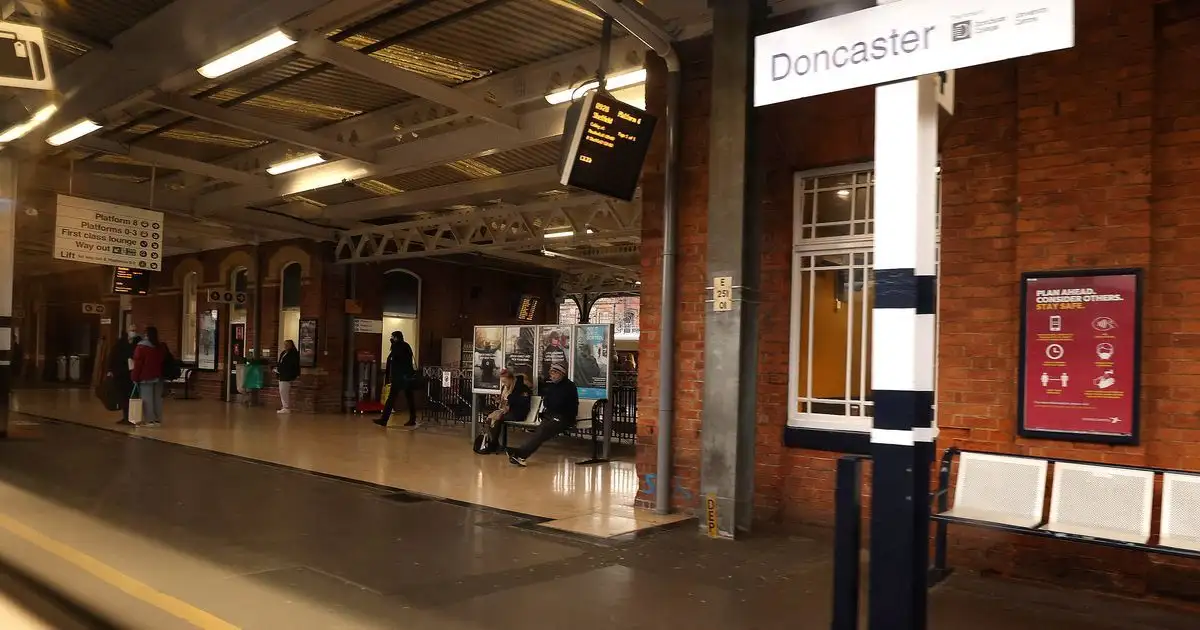
Doncaster acts as a "hub" or a central point for the North of England. Because so many lines meet here, a single problem at this station causes a ripple effect.
East/West travel: Routes to Scunthorpe and Hull are blocked.
North/South travel: The main line to London and Edinburgh is slowed down.
Local travel: Short trips to Adwick and Sheffield are cancelled, forcing people onto local roads.
Investigator Analysis
According to transport logs and official advice, the rail network is currently in a "recovery period." This means that even though the physical blockage is gone, the trains and staff are in the wrong places.
Expert Insight (National Rail Advice):"If your train is cancelled, you are usually allowed to use your ticket on the two services before or the two services after your booked time." This rule is being used today to help manage the crowds at Doncaster station.
Read More: London Underground Strike Causes Delays for Commuters
The investigation into the specific cause of the 16:12 incident is ongoing. While earlier disruptions this week were caused by natural earth movements (landslips), today's event required a police or safety response that halted all movement for over an hour.
Final Summary
The rail situation in Doncaster remains unstable for the evening of February 17, 2026. While trains have started moving again, the schedule is not expected to be fully accurate until tomorrow morning.
Key Findings:
Multiple Causes: The region has faced both a landslip (Feb 15/16) and a separate track incident (Feb 17).
Wide Impact: Over seven different train companies are currently changing their schedules.
Passenger Options: Travelers are encouraged to check live departure boards and use "alternative routes" provided by ticket acceptance agreements.
Next steps for investigators will include a review of the track safety near Doncaster to ensure no further "incidents" occur during the evening rush.
Sources Used
National Rail Service Disruptions (Feb 17, 2026): https://www.nationalrail.co.uk/service-disruptions/doncaster-20260217/ (Context: Official real-time incident log and ticket advice).
Chronicle Live Rail Update (Feb 16, 2026): https://www.chroniclelive.co.uk/news/north-east-news/east-coast-rail-disruption-live-33430601 (Context: Details on the landslip and East Coast rail chaos).
Leeds Live (Historical Reference): https://www.leeds-live.co.uk/news/leeds-news/doncaster-trains-suspended-live-updates-32997723 (Context: Previous data on freight train failures in the same area).