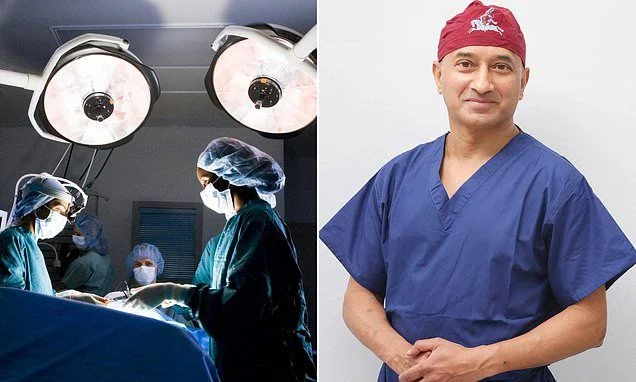
Decoding Doctor-to-Doctor Talk
A hidden lexicon circulates among medical professionals, shaping perceptions of patients and their conditions. Terms like "level ten," "dolores," and "status dramaticus" appear to be shorthand for patients exhibiting extreme pain, often irrespective of outward presentation. This specialized vocabulary, used primarily in internal discussions, raises questions about the objective assessment of suffering and the potential for dehumanization within healthcare settings.

The phrase "level ten" is apparently used to describe patients who report maximal pain, often "looking fine" while doing so. Another term, "dolores," seems to translate to "total body pain." One doctor noted a particular concern about its common application to Latino patients.

This coded language allows for rapid communication among staff.
However, its private nature can obscure the patient's lived experience.
The impact of these labels on treatment decisions remains a subject of inquiry.
Behind the Scenes: Anecdotal Revelations
Accounts suggest these terms are deployed to navigate the complexities of patient interactions and manage heavy workloads. For instance, "P.A.F.O." (pissed and fell over) is reportedly used for patients who have injured themselves due to intoxication, a common sight in emergency departments, especially on weekends.
Read More: NHS official Ms. Jones steps back from Palantir contract on 7 April 2026

Such shorthand may serve as a coping mechanism for healthcare providers facing demanding shifts.
The context of a "97-hour work week" is mentioned, hinting at the pressures clinicians face.
The disconnect between internal labels and the patient's reality is a recurring theme.
Patient Perceptions and Trust
The existence of such insider terminology prompts reflection on patient trust. How can patients feel assured of empathetic care when their suffering might be reduced to a coded descriptor?

"But if they don’t really connect with their patients, how do they build the trust needed between surgeon and patient?"
This question, posed in one account, highlights a fundamental tension: the need for clinical detachment versus the requirement for human connection in healing. The revelation of these terms, often shared through anecdotal reports and media exposés, suggests a broader societal curiosity about the inner workings of the medical establishment.
Historical Context and Broader Implications
While specific details about the origins and widespread adoption of these terms are scarce, the practice of using specialized language within professions is not new. However, when this language pertains to the care and perception of vulnerable individuals, its implications are amplified.
The reports emerge from various sources, including anecdotal observations and media features.
The underlying issue touches upon the ethics of communication in healthcare.
The potential for misinterpretation or bias within these codes warrants careful consideration.