Democrats Divided on Surveillance as Expiration Nears
The fate of significant U.S. government surveillance powers hangs precariously in the balance, with a critical reauthorization deadline of April 30th, 2026, intensifying a fractured debate within the Democratic party. The disagreement centers on whether to grant an extension of these powers, particularly Section 702 of the Foreign Intelligence Surveillance Act, with some Democrats pushing for stricter reforms while others appear willing to accept a more limited renewal, even with former President Donald Trump's clear support for broad, unfettered authority.
The urgency of the situation is underscored by the recent passage of a temporary 15-day extension, a move that has done little to quell the underlying tensions. Lawmakers, including key figures like Jim Himes, a Democrat from Connecticut, are caught in the crossfire. Himes has advocated for a reauthorization that, according to critics such as Elizabeth Goitein of the Brennan Center for Justice and Patrick Eddington of the Cato Institute, amounts to "reforms in name only." These critics argue that Himes has been misleading colleagues about the scope of reforms and even about past abuses, positioning him as a crucial, if controversial, figure in securing continued surveillance capabilities for a potential future Trump administration.
Read More: Taiwan Holds Nantou County Drills to Prepare for State Collapse
Shifting Alliances and Authoritarian Concerns
A select group of four Democrats has emerged as pivotal players in this legislative drama. Their decisions on whether to back Republican House Speaker Mike Johnson's latest proposal could determine the outcome. This cadre of lawmakers previously crossed party lines to support Johnson on a procedural vote that ultimately failed, highlighting a willingness to engage with Republican leadership on this sensitive issue. Their support, or lack thereof, is seen as potentially decisive in the upcoming votes this week.
Read More: Acting DNI Pulte Fires Dozens of Intelligence Officials Starting Thursday
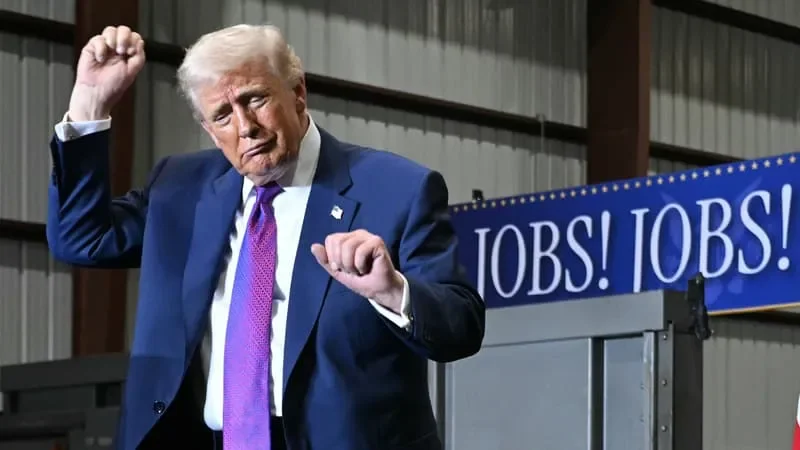
Concerns about former President Trump's influence on government operations are palpable. Statements from various sources characterize his approach as a "full-on authoritarian takeover of the U.S. government." Trump himself has openly championed the renewal of these surveillance powers, stating he wants to see them reauthorized for another 18 months. His endorsement, while potentially bolstering support within his own party, simultaneously alienates Democrats already wary of the potential for abuse. This dynamic creates a complex landscape where Trump's backing could paradoxically jeopardize Democratic consensus.
Deepening Skepticism and Historical Baggage
Public opinion, as reflected in polls from AP-NORC, indicates a broad skepticism towards U.S. espionage practices across both Democratic and Republican demographics. A significant portion of the public opposes warrantless surveillance, even as intelligence officials assert the necessity of these powers for national security against adversaries like China and Russia. Some individuals, particularly Black adults, express a resignation to a lack of privacy, while others remain neutral or hold a pragmatic view, prioritizing national security over civil liberties, albeit with reservations.
Read More: FBI Analysts Review Georgia 2020 Election Data in Fulton County
The historical context of this debate is further complicated by accusations that the Trump administration has actively undermined and politicized intelligence agencies. Democrats like Mark Warner have alleged that loyalty was prioritized over competence, leading to the purging of experienced intelligence officers. Concerns have also been raised about whether strikes on alleged drug cartel boats have led certain countries to curtail intelligence sharing with the U.S. The "Spygate" conspiracy theory, alleging political spying on the Trump campaign, also casts a long shadow, even though evidence supporting such claims remains unsubstantiated.
Key Figures and Their Stances:
| Individual | Affiliation | Stance on Surveillance Powers |
|---|---|---|
| Jim Himes | House Intelligence Committee | Supports reauthorization, accused of misleading colleagues on reforms |
| Mike Johnson | House Speaker | Supports a clean 18-month extension |
| Elizabeth Goitein | Brennan Center for Justice | Critical of Himes's reforms, calls them "reforms in name only" |
| Patrick Eddington | Cato Institute | Critical of Himes's reforms, calls them "reforms in name only" |
| Mark Warner | Senate Intelligence Committee | Criticized Trump administration's handling of intelligence |
| Jamie Raskin | House Judiciary Committee | Wants further reforms |
| Donald Trump | Former President | Supports a clean extension and broad surveillance authority |
The broader context of escalating global tensions and the actions of adversaries like China and Russia are often cited by proponents of these surveillance powers as justification for their continued necessity. However, this argument is juxtaposed against persistent anxieties about the potential for domestic misuse and the erosion of civil liberties, creating an enduring tension at the heart of the ongoing legislative battle.
Read More: US AI compute access rules change on April 7 2026 for national security