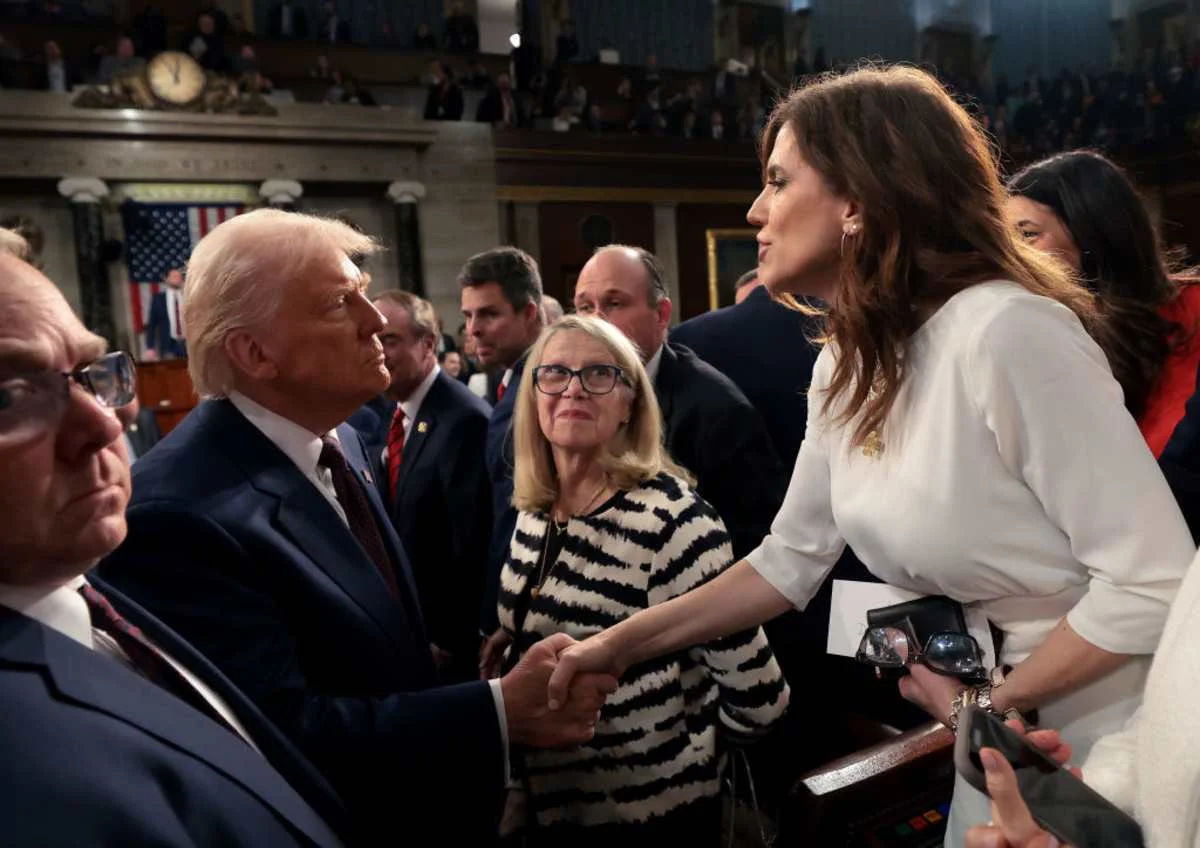
A recent White House dinner intended to foster bipartisan relations among the nation's governors became a focal point of political tension, as a significant number of Democratic governors opted to boycott the event. This boycott was directly linked to decisions made by President Donald Trump regarding invitations, specifically the exclusion of two Democratic governors, Wes Moore of Maryland and Jared Polis of Colorado. The event, typically a low-key gathering for leaders across party lines, saw President Trump and First Lady Melania Trump host the governors on February 21, 2026, during the National Governors Association (NGA) winter meeting. However, the optics were dramatically altered by the visible absence of Democratic leadership, signaling a deep rift in the traditional, often cordial, interactions between the White House and state executives.

Context of the Governors' Dinner
The annual White House dinner for governors is a long-standing tradition, usually held in conjunction with the National Governors Association (NGA) winter meeting. This gathering traditionally offers a platform for governors from both major parties to interact with the President in a more informal setting. The February 21, 2026, dinner occurred during a turbulent week in Washington for the governors, as noted by AP News.
Read More: Telangana BJP Chief House Arrested Before Kamareddy Visit on Feb 22

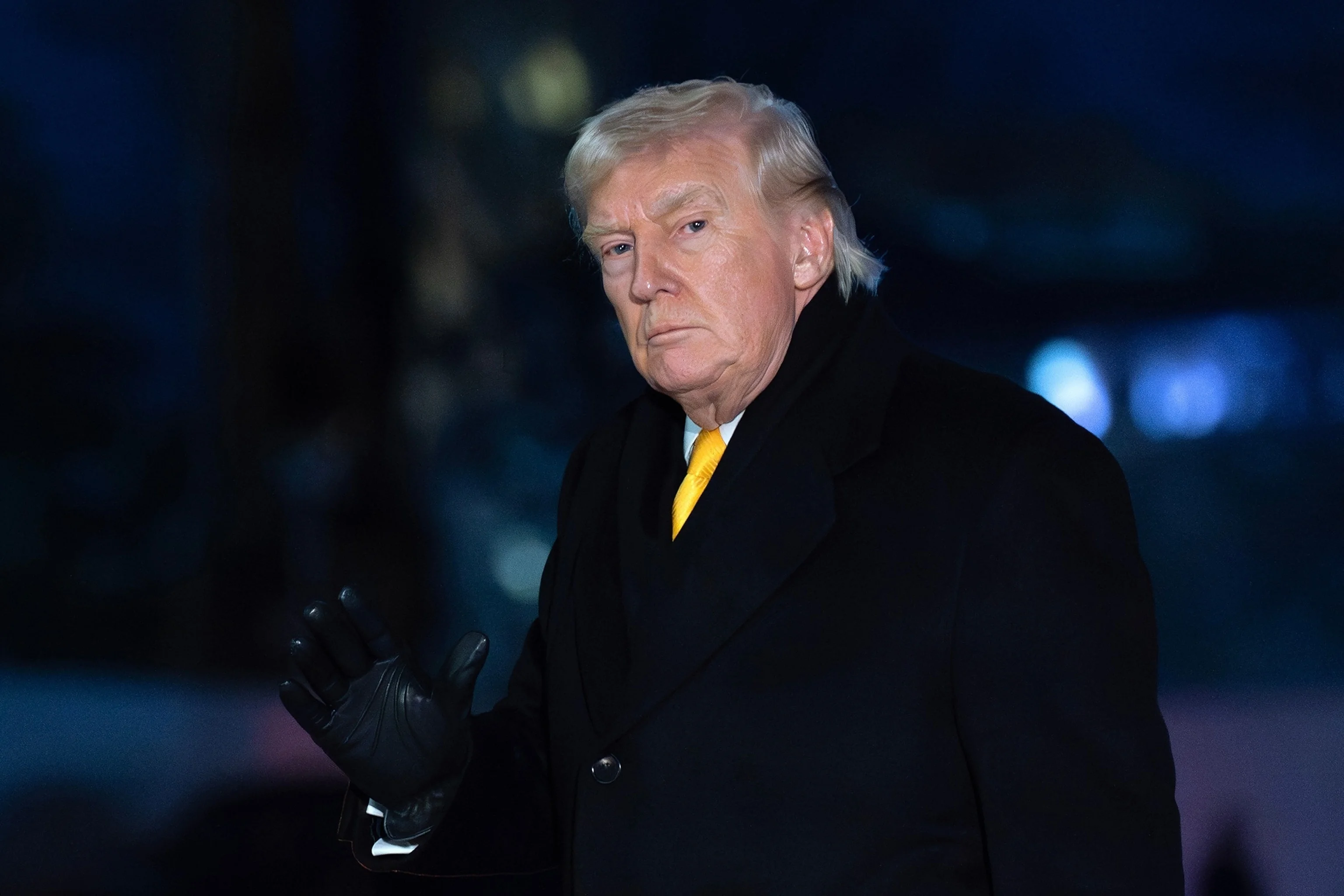
However, this year's event diverged significantly from its predecessors due to pre-event actions by the White House. Reports indicate that President Trump initially excluded Democratic governors from a formal business meeting and subsequently from the traditional bipartisan dinner. While invitations were reportedly extended to nearly all governors, specific exclusions were made for Democratic Governors Wes Moore and Jared Polis. White House Press Secretary Karoline Leavitt defended the President's prerogative, stating, "It’s the people’s house, it’s also the President’s home, so he can invite whomever he wants to dinners and events here."

This selective invitation process triggered a response from the Democratic Governors Association and a chorus of other Democratic governors, leading to a widespread boycott of the White House dinner. The NGA itself indicated that a formal meeting with President Trump would not be held, as reported by AP News on February 10, 2026.
Read More: US SEC Drops Crypto Cases, Making Rules Clearer for Digital Assets in 2025
Evidence of the Dispute and Boycott
Multiple sources corroborate the circumstances surrounding the governors' dinner and the ensuing boycott:
Exclusion of Specific Governors: President Trump's decision to exclude Democratic Governors Wes Moore and Jared Polis was a central catalyst. The White House did not provide explicit reasons for their exclusion, although RedState.com noted an ongoing feud between Trump and Governor Moore over a sewage spill.
Democratic Response: In protest of the exclusions, a significant number of Democratic governors announced their intention to boycott the White House dinner. This collective action was highlighted by TIME and USA Today, with the Democratic Governors Association, chaired by Andy Beshear, also indicating non-attendance.
White House Justification: The White House, through Press Secretary Karoline Leavitt, maintained that the President has the authority to determine guest lists for White House events.
Breaking Tradition: The dinner, typically a bipartisan event, became notably partisan due to these invitations. CBS News reported that Trump stated nearly all governors were invited, with the explicit exception of the two Democratic governors.
NGA Meeting Cancellation: The dispute led to the unraveling of a planned formal meeting between the NGA and President Trump, as reported by AP News.
Disagreement Over Invitation Policies
The core of the conflict centers on the White House's discretion in extending invitations to events that have historically served as bipartisan functions.
President's Authority vs. Bipartisan Norms: White House Press Secretary Karoline Leavitt asserted the President's right to control guest lists for White House functions. This stance, however, was seen by many Democratic governors as a departure from the tradition of inclusivity at such events.
Justification for Exclusion: While the White House did not offer a detailed explanation for excluding Governors Moore and Polis, speculation pointed to political disagreements. For instance, RedState.com mentioned a dispute between President Trump and Governor Moore.
Impact on NGA Meetings: The controversy extended beyond the dinner, affecting the broader National Governors Association gathering. AP News reported that the NGA would no longer hold a formal meeting with President Trump due to the White House's invitation policies.
The Impact of Exclusion on Governors
The decision to exclude specific governors and the subsequent boycott highlight a heightened level of partisan division affecting traditional inter-branch interactions.
Symbolic Boycott: The Democratic governors' decision to boycott was a clear signal of their objection to the White House's perceived partisanship. TIME noted that the boycott was a response to President Trump excluding Governors Moore and Polis.
President's Position: Despite the boycott, the White House framed the situation as "their loss," as reported by USA Today, indicating a lack of concern over the Democratic absence.
Shared Concerns: Democratic governors voiced their solidarity, with Fox News reporting that a chorus of Democratic governors rallied behind their excluded colleagues.
Attendance and Notable Absences
President Trump and First Lady Melania Trump were present and hosted the dinner on February 21, 2026. Images shared on social media by the First Lady's office and other accounts showed the event taking place. However, the absence of a significant portion of Democratic governors was a prominent observation. Reports from reporters on the scene noted that no Democrats appeared to be in attendance at the dinner, as highlighted by RedState.com.
Conclusion
The White House Governors Dinner on February 21, 2026, underscored a notable fracture in bipartisan engagement at the executive level. President Trump's decision to exclude specific Democratic governors, Wes Moore and Jared Polis, from the event and associated meetings prompted a widespread boycott by Democratic governors. While the White House maintained the President's prerogative to select guests, this action deviated from the traditional inclusive nature of the annual governors' dinner. The event proceeded with the President and First Lady hosting, but the visible absence of Democratic leadership served as a clear indicator of ongoing partisan tensions and their impact on traditional inter-governmental interactions. The situation also led to the cancellation of a formal meeting between the NGA and the President, further reflecting the contentious atmosphere surrounding the event.
Read More: Epstein Survivors Attend State of the Union to Ask for More Files
Used Sources and Context:
RedState: This source provides a firsthand account of the dinner's attendance, noting the presence of POTUS and FLOTUS and the absence of Democrats. It also touches on the political context, including the feud with Maryland Governor Wes Moore.
Link: https://redstate.com/bobhoge/2026/02/21/potus-and-flotus-in-attendance-at-white-house-governors-dinner-but-note-who-didnt-show-up-n2199418
TIME: This article details the reasons behind the Democratic governors' boycott, directly linking it to the exclusion of specific Democratic leaders and the White House's response.
Link: https://time.com/7377722/democratic-governors-boycott-white-house-dinner-nga-meeting/
AP News (Article 1): This report frames the dinner within a turbulent week for governors and discusses the controversy surrounding President Trump's actions, including the initial ridicule of the bipartisan group's leadership.
Link: https://apnews.com/article/trump-wes-moore-kevin-stitt-governors-dinner-58d6381ed18334e8c35af35ef2ce4122
CBS News: This article quotes President Trump directly, stating his position on inviting governors from both parties, while explicitly mentioning the exclusion of the Democratic governors of Maryland and Colorado.
Link: https://www.cbsnews.com/news/trump-national-governors-association-democrats-invited-moore-polis/
USA Today: This source covers the boycott initiated by Democratic governors in response to President Trump "snubbing" two leaders and includes the White House's "Their loss" comment.
Link: https://www.usatoday.com/story/news/politics/2026/02/10/democrat-governors-boycott-white-house-dinner/88606162007/
Fox News: This report details how Democratic governors rallied behind their excluded colleagues and mentions White House Press Secretary Karoline Leavitt's defense of the President's decision.
Link: https://www.foxnews.com/politics/pritzker-joins-chorus-dem-governors-boycotting-white-house-dinner-after-snub-ignites-chaos
NOTUS: This article confirms President Trump's disinvitation of at least two Democratic governors and notes the White House's assertion of control over event guest lists. It also mentions the creation of separate dinners for Republicans and invited Democrats.
Link: https://www.notus.org/trump-white-house/trump-wes-moore-jared-polis-democratic-governors-association-bipartisan-white-house-dinner
ABC News: This report highlights President Trump's intention to exclude Democratic governors from a usually bipartisan meeting, questioning the reasons behind not inviting Polis and Moore.
Link: https://abcnews.com/Politics/trump-exclude-democratic-governors-bipartisan-meeting-white-house/story?id=129989068
AP News (Article 2): This article describes the annual governors' gathering unraveling due to President Trump excluding Democrats and the announcement by 18 Democratic governors to boycott the dinner. It also references partisan tensions from the previous year's meeting.
Link: https://apnews.com/article/trump-kevin-stitt-governors-meeting-washington-ee4e696534082638795e1804d71f4966