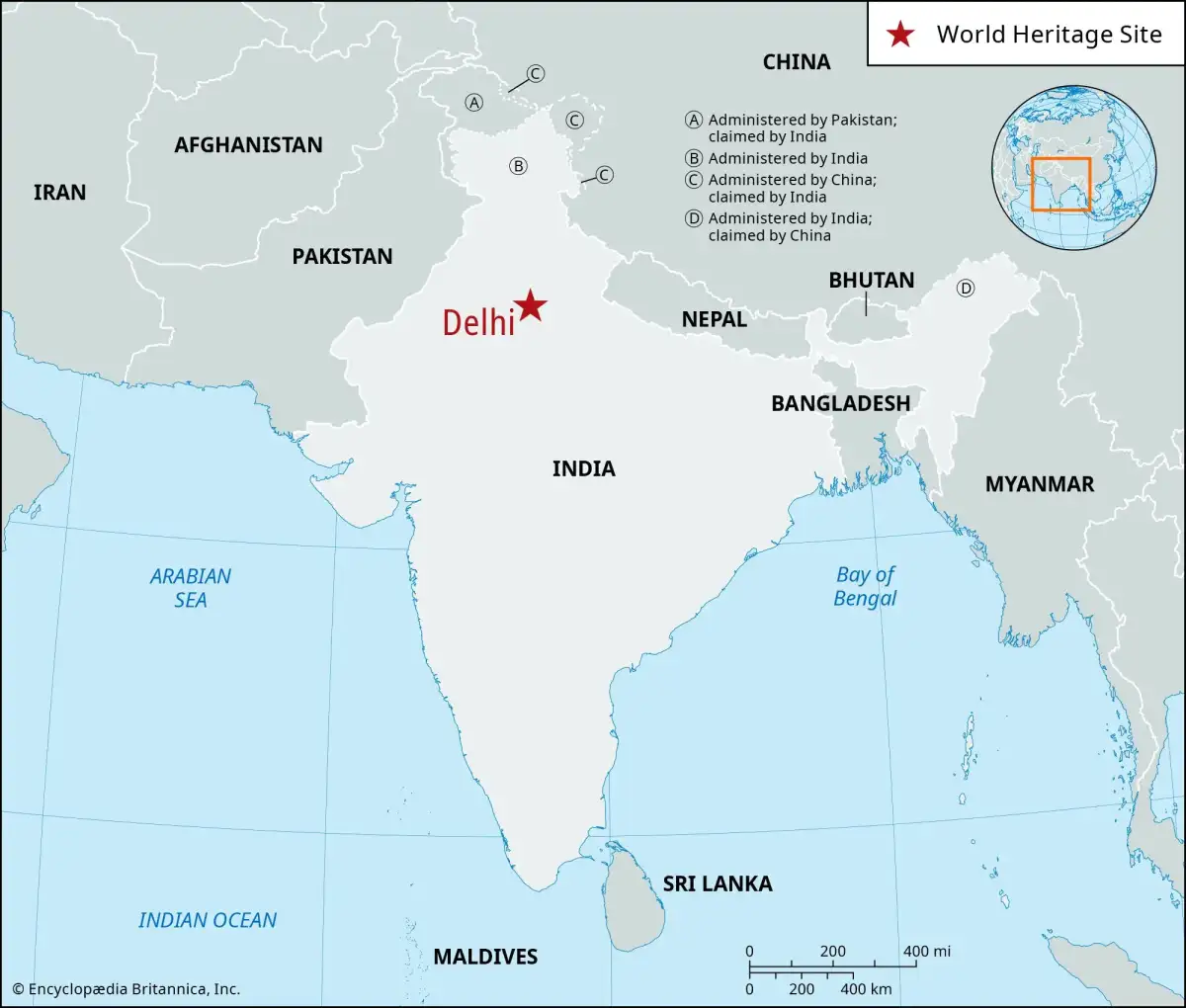
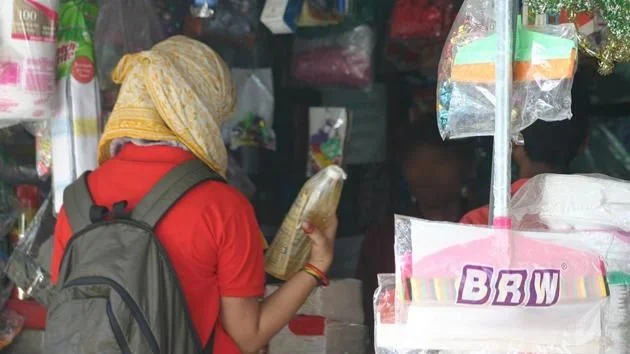
In the markets of Delhi, the boundary between a cleaning supply and a weapon remains functionally non-existent. Despite a 2013 Supreme Court mandate intended to strictly regulate or prohibit over-the-counter acid sales, retailers in neighbourhoods like Palam Colony continue to dispense corrosive chemicals without requiring identification or proof of purpose. The supply chain—spanning from local stationery stores to digital platforms—remains largely uninterrupted, rendering legal restrictions effectively performative.

The core failure is one of enforcement; regulations exist on paper, but in practice, the product is as accessible as common household goods.
Market Mechanics vs. Legal Intent
The availability of acids—including sulphuric and hydrochloric variants—persists because the chemical is viewed through a lens of utility rather than threat.

Accessibility: A bottle of acid can be acquired for as little as ₹30 to ₹50. Shopkeepers frequently bypass identity protocols, treating the sale as a mundane retail transaction.
Regulatory Gaps: While the Supreme Court instructed that only licensed retailers handle these substances, local authorities have struggled to maintain consistent surveillance. Monitoring is often described as sporadic, with inspections occurring in irregular intervals that fail to curb the retail flow.
Judicial Stasis: Courts have repeatedly debated the efficacy of a total ban versus strict regulation. The judiciary has previously expressed hesitation regarding a total prohibition, citing the impact on legitimate business and household utility. Consequently, the reliance remains on "stricter penalties" as a deterrent, a strategy that has yet to lower the frequency of attacks.
A Cycle of Impunity
The narrative surrounding these sales is defined by a sharp disconnect between the state’s directives and the reality on the ground. Activists such as Shaheen Malik of the Brave Soul Foundation have long petitioned for a total cessation of open-market sales, arguing that the mere presence of the substance in everyday commerce is a catalyst for violence.
Read More: Third Teen Charged in Fatal Stabbing Near Melbourne Hospital on Wednesday

| Period | Observation | Result |
|---|---|---|
| 2013 | Supreme Court bans over-the-counter sale. | Unregulated retail flow continues. |
| 2017–2021 | Multiple reports confirm persistent availability. | Increased frequency of reported attacks. |
| 2023–2026 | Digital platforms and local stores still trade. | Minimal conviction rates; cycle repeats. |
Reflection: The Logic of Non-Enforcement
The state of affairs suggests a deep structural apathy. By framing the purchase of acid as a legitimate consumer choice for "cleaning commodes," the system creates a convenient veil for the distribution of a maiming agent. The persistent lack of identification requirements ensures that accountability remains impossible to track. When the law addresses a violent, gendered instrument with administrative guidelines rather than physical control, it guarantees that the most vulnerable populations continue to absorb the cost of this negligence.
For the victims, the legal landscape offers little by way of prevention. The judicial system, meanwhile, continues to operate within a reactive loop: recording the failure of prosecution or discussing the need for better policy, while the source of the injury remains a standard commodity in the capital’s commercial geography.
Read More: Delhi Students Protest Education System Flaws on July 6

/cloudfront-ap-southeast-2.images.arcpublishing.com/nzme/RVI7RFHOI34HTKKRUG3LS6DNVY.jpg)