Key Figures Advocate for Increased Private Funding for India's Defence Innovation
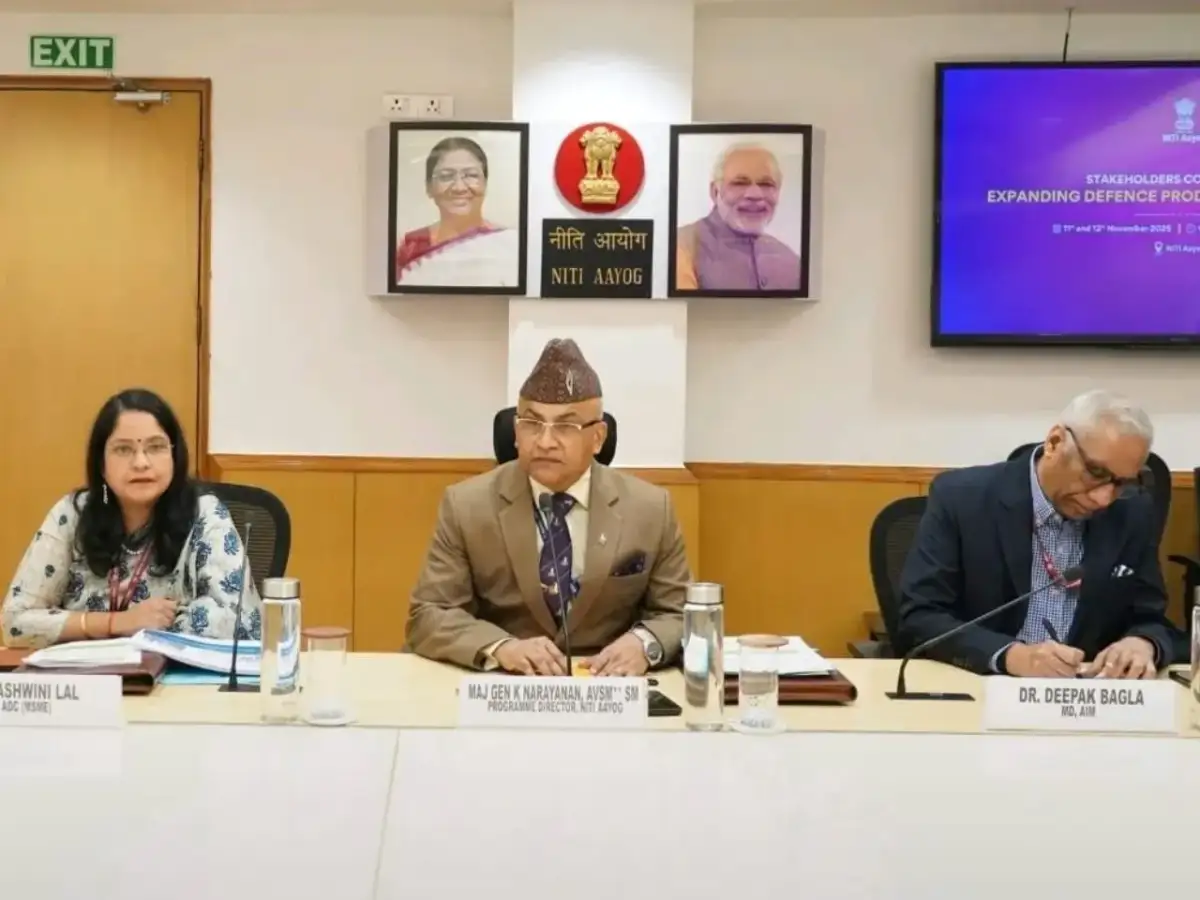
NITI Aayog member V.K. Saraswat has publicly called for venture capitalists to significantly increase their financial backing for Indian defence start-ups. This appeal comes as India seeks to bolster its defence manufacturing capabilities and its presence in the global defence export market. While governmental policies are seen as supportive of the sector, a gap remains in the necessary capital for these emerging companies to grow and innovate. The discussion also touches upon the broader strategic implications of India's defence procurement and its international relationships.
Context and Policy Landscape
The Indian government has been actively promoting a favourable environment for start-ups, including those in the defence sector. This push is aligned with a broader national ambition to achieve self-reliance in defence production and to become a notable defence exporter.

Governmental Support: Union government policies are described as significantly supportive of the start-up ecosystem.
Budget Allocations: Recent defence budgets include substantial allocations for capital expenditure, intended for the procurement of new military hardware. For instance, Rs 2,19,306 crore has been earmarked for capital expenditure by the armed forces. These allocations are reportedly informed by lessons learned from operations, such as Operation Sindoor, regarding weapon choices and manufacturing priorities.
Export Ambitions: India is aiming to position itself as a reliable defence exporter, with discussions involving key stakeholders in defence manufacturing, technology, and start-up innovation focusing on strategies to achieve this. This involves examining policy reforms, regulatory mechanisms, and learning from global best practices.
Technological Advancements: The sector is witnessing rapid innovation, with start-ups making strides in areas like unmanned systems and advanced propulsion technologies. An example is D-Propulse successfully testing its rotating detonation engine (RDE), potentially narrowing the gap with other nations in hypersonic technology.
Differing Perspectives on Funding Mechanisms
While there is a consensus on the need to nurture defence start-ups, differing views exist on the most effective avenues for their financial support.
Read More: India's Defence Ministry approves ₹52,000 crore on Friday for new Army and Navy tech
The Case for Venture Capital Infusion
V.K. Saraswat, a member of NITI Aayog and former Director General of the Defence Research and Development Organisation (DRDO), strongly advocates for venture capital's role.
Sustaining Growth: Saraswat emphasizes that start-ups have made substantial progress and require robust financial backing from venture capitalists to sustain and accelerate their growth trajectory.
Alignment with Policy: He notes that current budget allocations are in line with the need to prioritize manufacturing and technological advancements, but this needs to be complemented by private investment.
Ecosystem Development: The push for increased VC support is seen as crucial for fostering an ecosystem that encourages innovation in defence technology, keeping pace with global trends in modern warfare.
Emphasis on Assured Orders and Procurement
Rajesh Kumar Singh, the Defence Secretary, offers a different perspective, suggesting that assured government orders and streamlined procurement processes are more critical than government-backed venture capital funds.
Orders as the Driver: Singh contends that the primary driver for investment in defence manufacturing is the assurance of timely government orders and swift contract approvals.
Existing VC Ecosystem: He believes India already possesses a "fairly robust venture capital ecosystem" with existing funds showing growing interest in defence start-ups, implying that specific government VC initiatives may not be the most pressing need.
Focus on Process: The emphasis is on efficient procurement processes and a strong order book as sufficient attractors for private capital, rather than the creation of new government funding mechanisms.
Evidence and Observations
Several points of evidence highlight the ongoing developments and the differing viewpoints within the defence sector.
Budgetary Commitment: The significant allocation of Rs 2,19,306 crore for capital expenditure indicates a governmental commitment to modernizing the armed forces, which can indirectly benefit start-ups through potential procurement opportunities.
Operational Lessons: The mention of Operation Sindoor suggests that real-world experiences are informing defence planning and procurement strategies, potentially creating specific needs that start-ups could fulfill.
Technological Milestones: The successful testing of the rotating detonation engine by D-Propulse demonstrates the innovative capacity of Indian start-ups in critical defence technologies, supporting the argument for their growth.
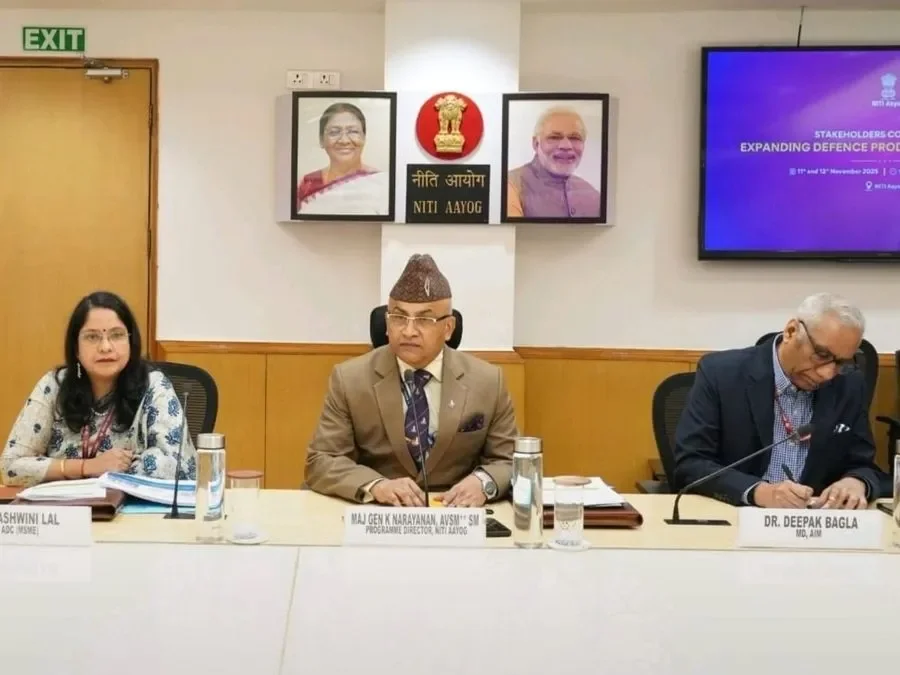
Industry Consultations: Two-day consultations involving defence manufacturing and technology leaders underscore the seriousness with which India is approaching its defence export ambitions, focusing on policy, institutional frameworks, and global best practices.
Defence Secretary's Stance: The Defence Secretary's remarks at the National Security Summit provide a clear counterpoint to the call for increased VC funding, highlighting a focus on market mechanisms and efficient governance.
Expert Analysis
The debate over venture capital versus assured orders reflects different strategies for stimulating growth in a sector characterized by long development cycles and high technological stakes.
"The startups are coming up in a big way because the policies of the Union government are supporting them in a big way. Indian startups have come a long way and they should be supported financially for their growth." - V.K. Saraswat, NITI Aayog Member.
This statement underscores the belief that while policy provides the foundation, direct financial support is essential for the next phase of growth, aligning with the views of those advocating for increased VC involvement.
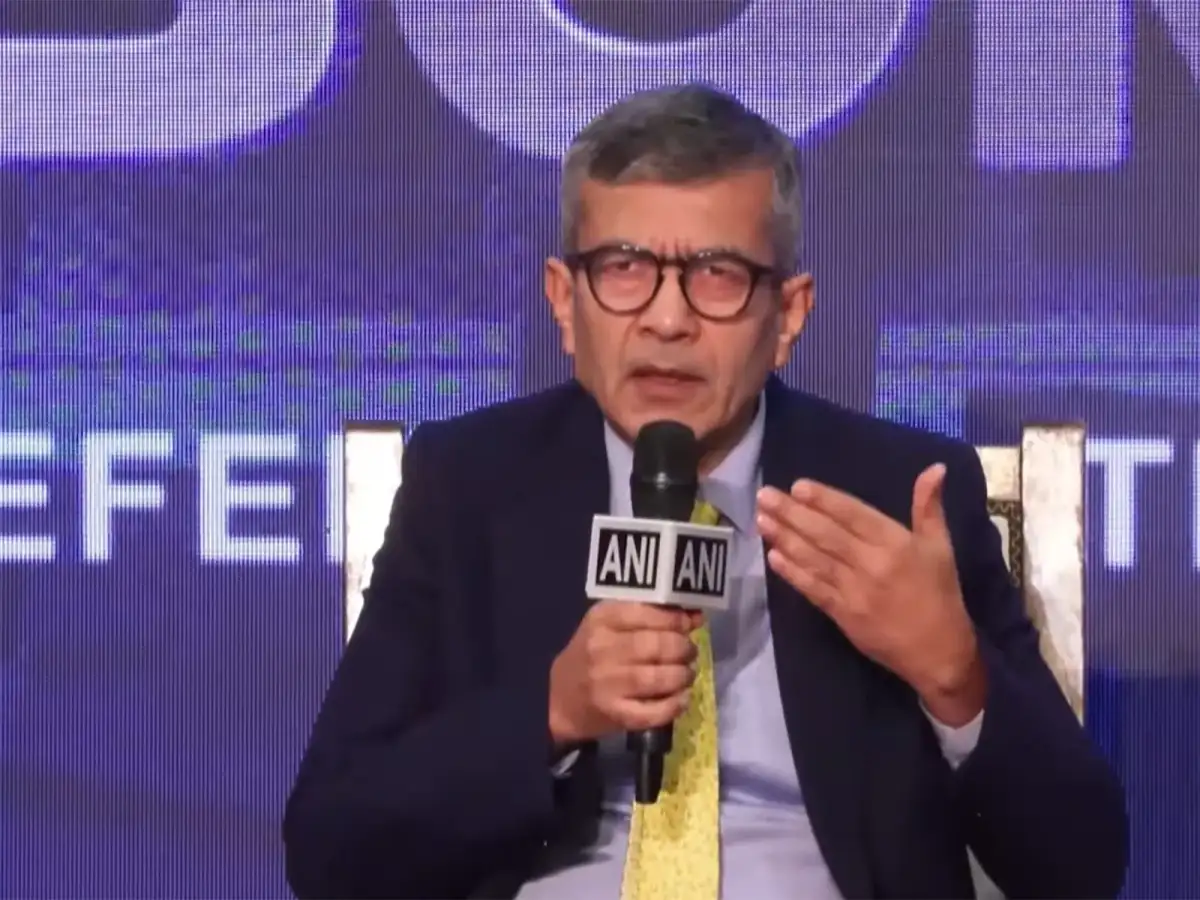
"The funding for a defence startup or a defence MSME really depends on its order book." - Rajesh Kumar Singh, Defence Secretary.
This perspective places emphasis on market demand, signaled by orders, as the primary catalyst for private investment, suggesting that efficiency in the procurement system is paramount.
Read More: FIFA World Cup 2026 Revenue Reaches $15 Billion With New Ticket Prices
Conclusion and Implications
The ongoing discourse highlights a critical juncture for India's defence start-up ecosystem. NITI Aayog's V.K. Saraswat and the Defence Secretary, Rajesh Kumar Singh, represent distinct but not necessarily conflicting viewpoints on how best to propel this sector forward.
Convergence on Support: There is a clear agreement on the importance of supporting defence start-ups.
Divergence on Mechanism: The key difference lies in the preferred method of support: increased venture capital funding versus enhanced government orders and faster procurement.
Strategic Goals: Both perspectives are aimed at achieving India's larger strategic goals of defence self-reliance, technological advancement, and export growth.
Implications for Investors: For venture capitalists, the differing views suggest a need to assess the sector based on both the promise of innovation and the reality of procurement cycles. The government's approach to streamlining contracts and ensuring timely orders will likely be a significant factor in attracting private capital, irrespective of the explicit call for VC support.
Further analysis could explore the interplay between government orders, the robustness of the existing venture capital landscape, and the specific needs of different sub-sectors within defence technology to ascertain the most effective path for sustained growth and innovation.
Sources Used
The Economic Times: Article on NITI Aayog's Saraswat advocating for VC support in defence start-ups.https://economictimes.indiatimes.com/tech/startups/venture-capitalists-must-increase-support-for-defence-startups-says-niti-aayogs-saraswat/articleshow/128070625.cms
Devdiscourse: Report on V.K. Saraswat's call for amplified financial backing for Indian defence start-ups.https://www.devdiscourse.com/article/technology/3797341-boosting-indian-defence-startups-a-call-for-venture-capital
TICE News: Overview of NITI Aayog's consultation to boost defence start-ups and export-led production.https://www.tice.news/tice-trending/indias-defence-start-up-revolution-gets-a-push-inside-niti-aayogs-big-two-day-consultation-10653878
Seafund: Article discussing the role of venture capital in India's defence innovation.https://seafund.in/article/the-role-of-venture-capital-in-indias-defence-innovation-landscape/
ANI News: Defence Secretary's statement on defence start-ups needing orders rather than government VC funds.https://www.aninews.in/news/business/defence-startups-need-orders-not-government-vc-funds-says-defence-secretary20251129082418/
Indian Defence News: Report on Indian start-ups achieving milestones, such as D-Propulse's RDE testing.https://www.indiandefensenews.in/2026/01/indian-start-ups-ignite-rotating.html
Money Rediff: Article reiterating NITI Aayog's stance on the need for more VC support for defence start-ups.https://money.rediff.com/news/market/defence-startups-need-more-vc-support-niti-aayog/41634320260208