The Implication of Auditory Assistance in Bharatanatyam
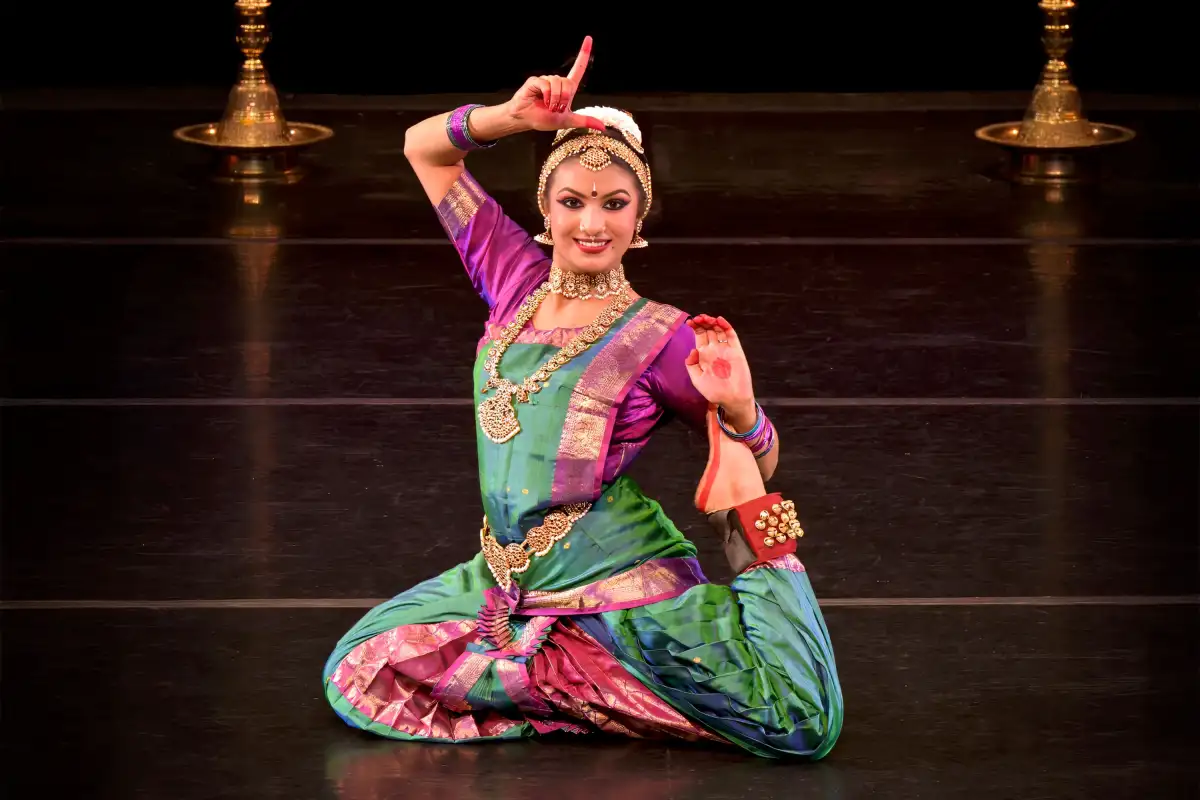
Nivrritii Mahesh, a 17-year-old dancer, performs Bharatanatyam with the aid of bilateral cochlear implants, electronic devices surgically placed in both ears that facilitate sound perception. This technological integration addresses the inherent challenges of interpreting rhythm and musicality in the complex Indian classical dance form, which typically relies heavily on auditory cues.
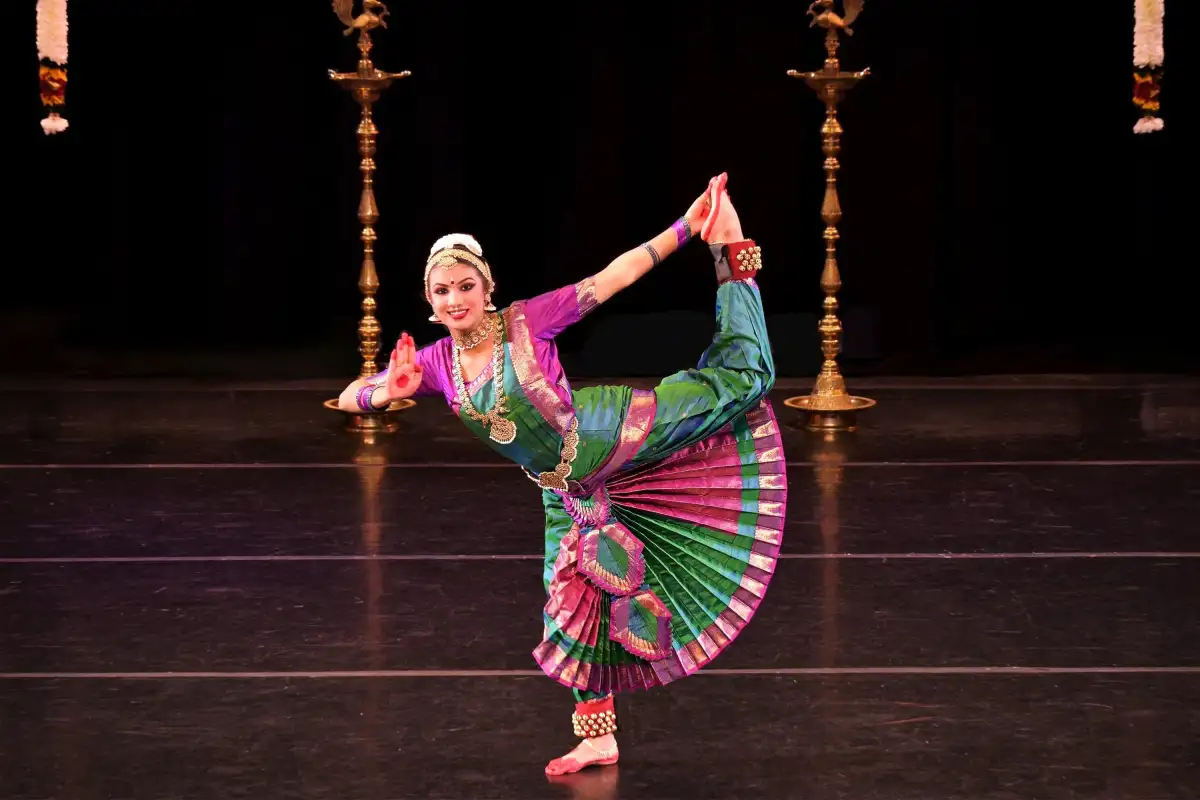
The dancer's performances have incorporated specific technological and human supports to bridge potential auditory gaps.
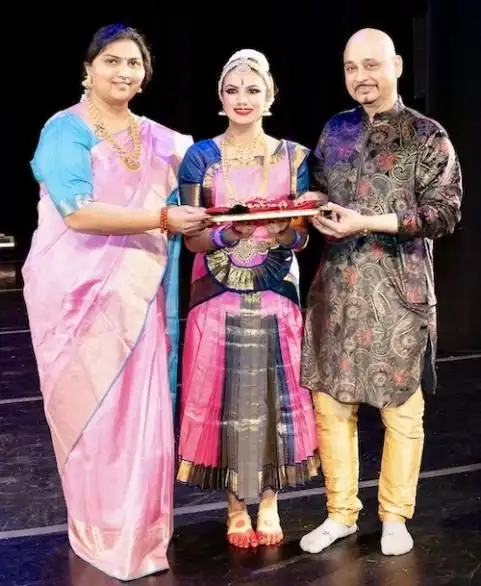
Dual-Channel Audio System: A custom system was developed, connected directly to her cochlear implant receiver. This setup included a separate channel for her mother, Aishwarya Chakravarthy, who also serves as her guru and manages the 'nattuvangam' (rhythmic percussion).
Visual Guidance: A confidence monitor was strategically positioned to provide Nivrritii with a live video feed of her mother. This visual link allowed her to follow rhythmic cues and movements, particularly when sound perception might be less precise.
Mother's Rhythmic Cues: Aishwarya Chakravarthy played a crucial role, not only by performing the nattuvangam but also by providing direct rhythmic counts and guidance, sometimes through a private audio channel.
Muscle Memory and Visual Cues: Due to the challenges in fully perceiving spoken rhythmic syllables ('sollu kattu'), Nivrritii has heavily relied on muscle memory honed through extensive practice, complemented by her mother's visual cues.
Team Support: Professionals including a teacher for the deaf, and specialists like Kalaimamani Madurai R. Muralidharan, Renjith Babu, and Vijna Vasudevan, provided guidance and assisted with her repertoire.
"With the support of technology and her mother’s guidance, the dancer has turned silence into a celebration of music and movement."
Navigating the Sonic Landscape
The journey to integrate these assistive technologies into her Bharatanatyam practice involved extensive trial and error over months. Nivrritii's dedication is evident in her practice regimen, which often included daily sessions after classes, weekends, and holidays.

The context of her dance form is vital: Bharatanatyam, a technically demanding style, weaves together expressive storytelling from Hindu mythology with intricate melody and rhythm. Nivrritii's performances utilize facial expressions and hand gestures to convey these narratives, demonstrating a holistic approach to the dance even with altered sound perception.
Read More: Billy West Memoir Reveals How He Created Fry's Voice
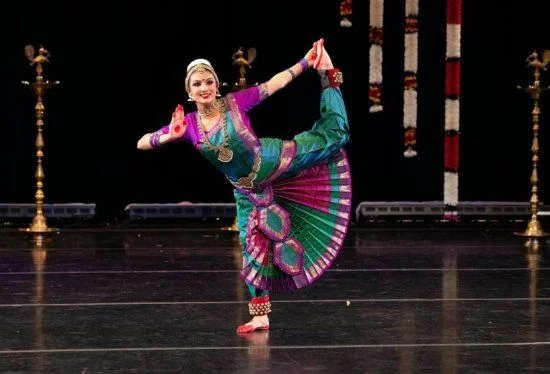
"Born profoundly deaf, Nivi wears bilateral cochlear implants."
The dancer's aspiration to perform stemmed from observing her mother teach the art form to children within the Indian diaspora. This exposure laid the foundation for her own pursuit, culminating in her arangetram, a debut solo performance in Indian classical dance.
"Unable to fully follow the sollu kattu due to her hearing limitations, she had to depend entirely on muscle memory built over months of practice, along with visual cues from her mother."