David Allan Coe, a singer and songwriter associated with the 'outlaw country' movement, has died. He was 86. His passing was confirmed by his wife, Kimberly Hastings Coe, to Rolling Stone and other outlets. A representative also confirmed the news.
Coe's death marks the end of an era for a musician known for raw lyrics and a persona often intertwined with tales of a life lived outside the mainstream music establishment. He was a figure who defied easy categorization, pushing boundaries within country music with his often explicit themes and independent spirit.

A Life Beyond the Nashville Sound
Coe's career spanned decades, during which he released over 40 studio albums. He found prominence in the 1970s and 80s, carving out a space in country music that stood in contrast to the polished sound emanating from Nashville.
Coe "lived the type of unapologetic life that other outlaw country figures only sang about."
His legacy is tied to songs like 'Take This Job and Shove It,' though the extent of his personal involvement in the song's creation remains a point of discussion. He also penned 'The Perfect Country and Western Song,' a track that captured a certain spirit of defiance.
Read More: Paul McCartney and Bruce Springsteen impact on rock music legacy 2026
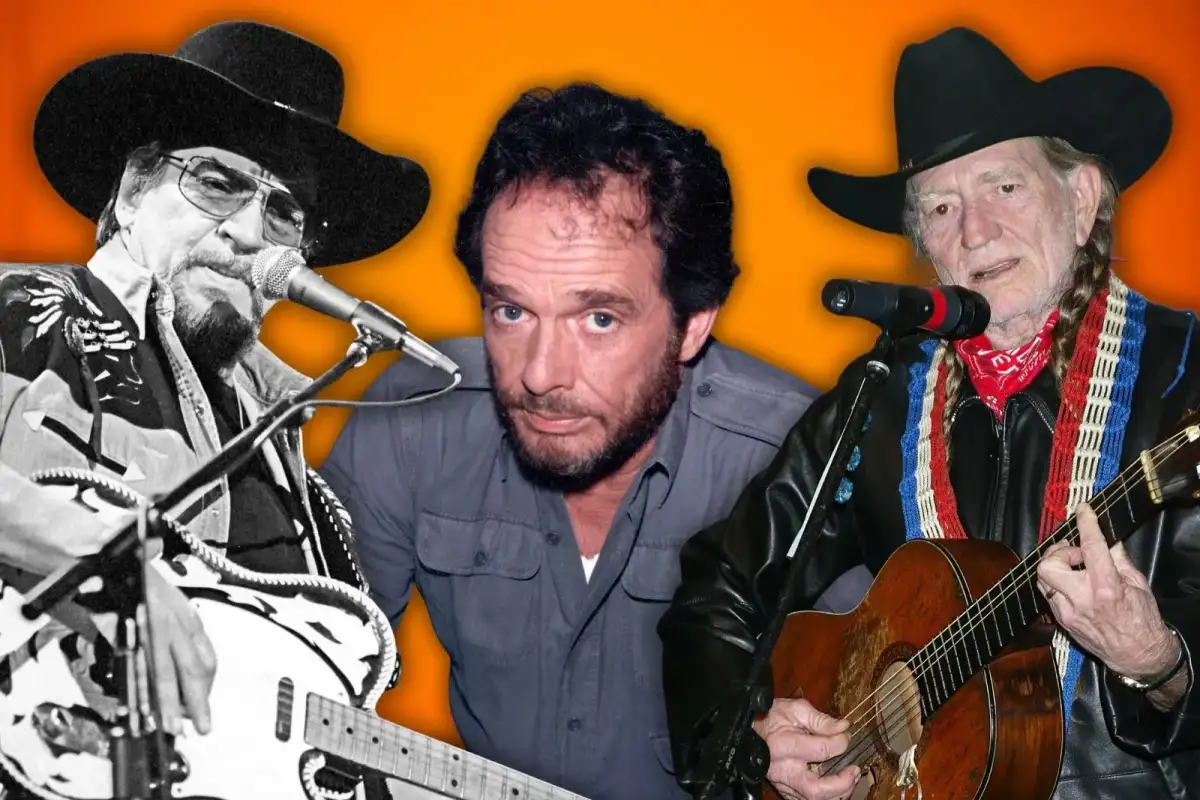
While often mentioned alongside contemporaries like Willie Nelson and Waylon Jennings, Coe maintained a distinct identity, sometimes accusing his peers of compromising their artistic integrity. This stance, at times, created friction within the outlaw country scene itself.

Coe was known for embellishing details of his life, leading to a mystique that was as much a part of his appeal as his music.
The narrative surrounding Coe included accounts of extensive prison time and affiliations with motorcycle clubs, elements he himself acknowledged were often exaggerated but fueled public fascination. This biographical ambiguity became a signature part of his public image.
His music, characterized by its "raw, often obscene lyrics," cultivated a dedicated following while keeping him on the periphery of the mainstream music industry. Despite this outsider status, Coe's songwriting provided hits for others and influenced a generation of artists who sought to express a more unvarnished side of country music.