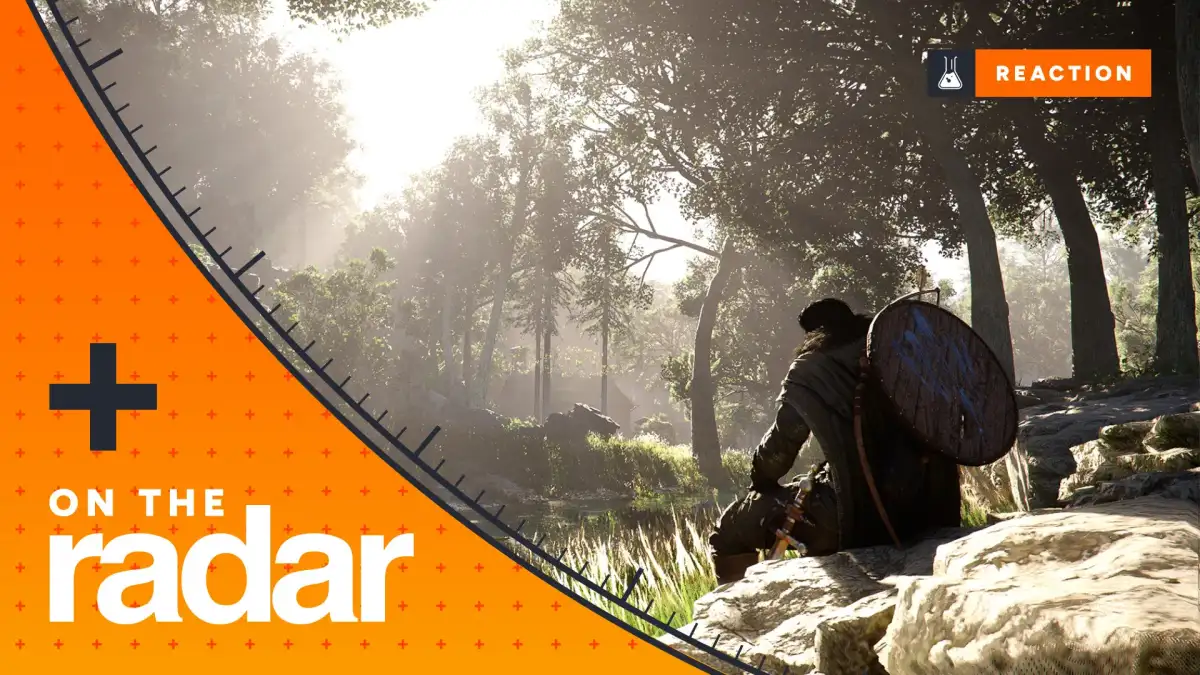
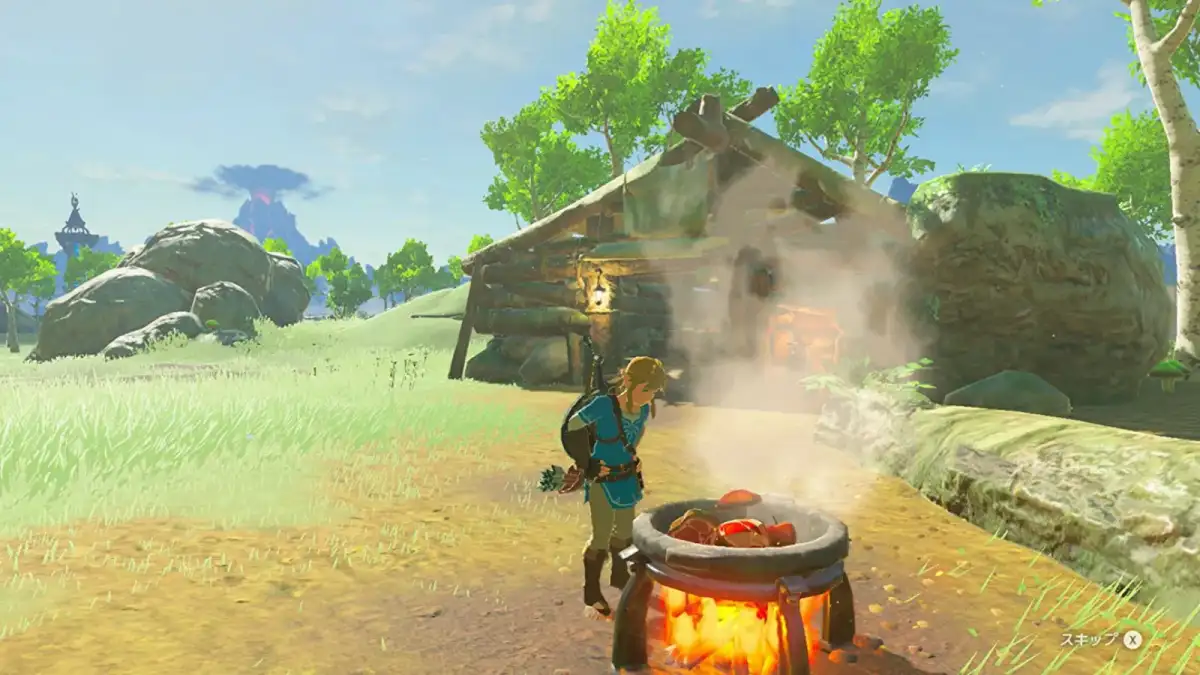
Crimson Desert unfurls a world of breathtaking scale, drawing comparisons to the critically lauded Breath of the Wild. Yet, early impressions suggest that while the ambition is palpable, the execution falters, leaving a sensation of grandeur without genuine depth. The game appears to mimic Breath of the Wild's mechanics, but fails to grasp the foundational principles that made the Zelda title so resonant. This disconnect is particularly evident in how the game presents its interactive elements, such as the "abyss cressets," which are described as decontextualized objects, lacking the historical and cultural grounding that defined similar features in Breath of the Wild.
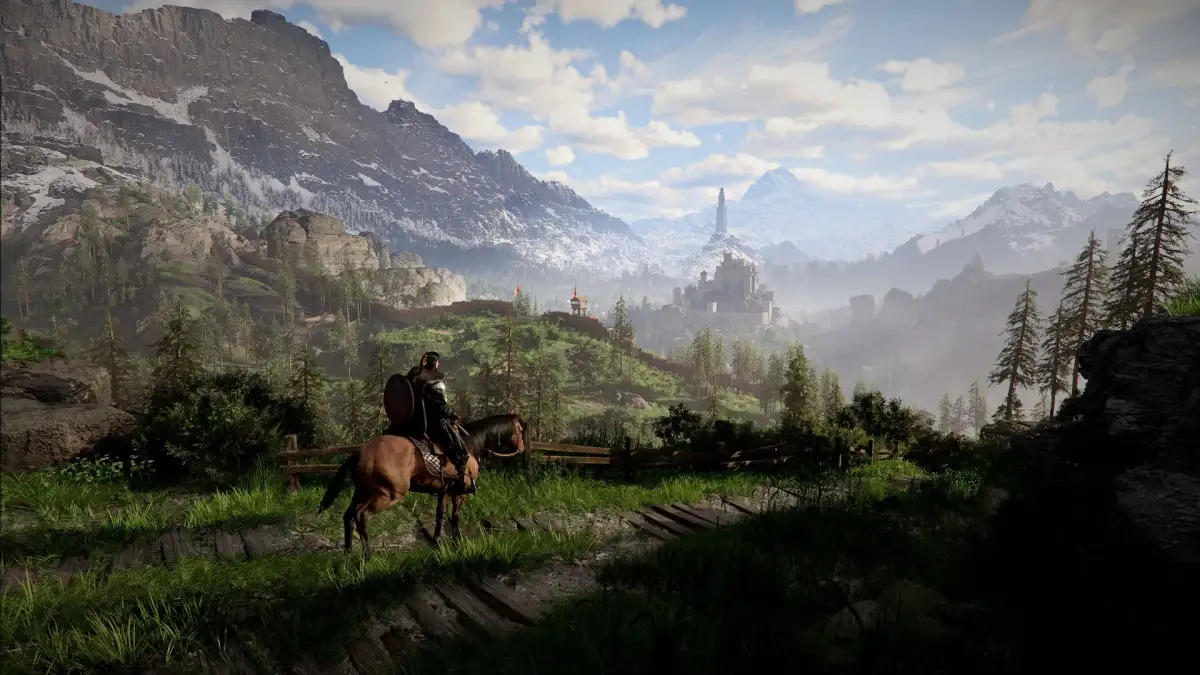
This expansive, yet perhaps unfocused, approach seems to be a deliberate design choice, aiming for an overwhelming sense of discovery that, for some, fosters a reliance on communal knowledge. Players find themselves sharing findings, a testament to the game's sheer size and its reluctance to hold hands. This "Breath of the Wild effect," where the game's immensity compels players to collaborate, stems from a world so vast and secret-laden that no single individual can fully chart its territories.
Read More: Street Fighter 6 Year 4 Pass adds Tifa and 3 new fighters in 2026
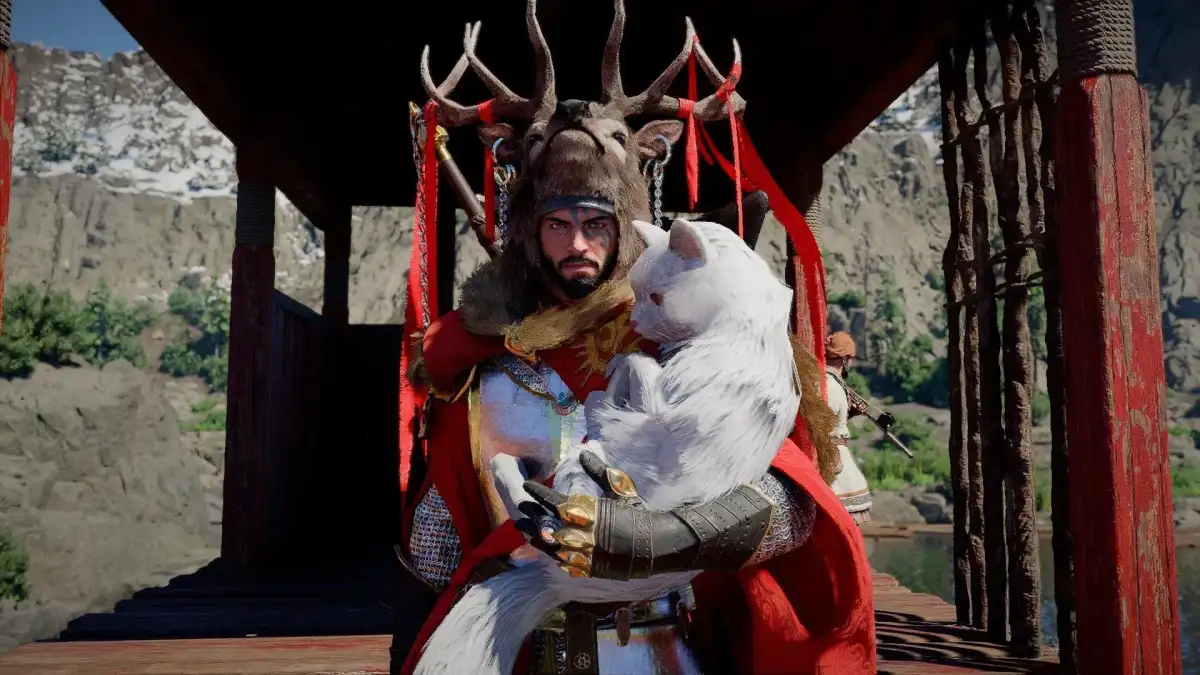
However, this vastness comes at a cost. Critics point to Crimson Desert as a "jack of all trades, but a master of none." While the combat is noted for its detail, akin to games like Assassin's Creed, and the life systems are described as expansive, the overarching experience is marred by mechanical missteps and a story that can feel dull. The game's mechanics, including its skill system, can be overwhelming, with abilities appearing unexpectedly and their utility remaining unclear, particularly in pivotal moments.

The Mirage of Immersion
Despite the visual splendor that "literally took [reviewers'] breath away," the underlying substance appears thin. The game’s world, while "breathtaking," might be serving as a distraction from a less cohesive experience. The core loop, when analyzed closely, suggests a design that prioritizes scale over intrinsic meaning. The game seems to bet on the sheer scope of its impressions rather than the impact of its individual components. This mirrors a sentiment that Crimson Desert is "messy," and while elements of genius might be unearthed through player perseverance, they are often buried under layers of what some consider "unneeded."
Read More: Screamer Arcade Game Review: Twin-Stick Controls and Anime Style
The disparity in design philosophies between Crimson Desert and Breath of the Wild is stark. While both offer open worlds, Crimson Desert struggles to imbue its mechanics and world-building with the same cohesive narrative and historical weight. This leads to a sense of artificiality, where intended environmental storytelling feels hollow.
A Community Divided by Ambition
The sheer scale of Crimson Desert has ignited a particular kind of player engagement, one characterized by shared exploration and discovery. This phenomenon, where players discover things they haven't themselves encountered, suggests a game that is "big enough, vague enough, and confident enough in its design" to necessitate communal navigation. The game becomes larger than any single player's journey, compelling a reliance on others to piece together its fragmented narrative and mechanics. This communal aspect, while fostering player interaction, also highlights a potential shortfall in the game's self-contained narrative and mechanical clarity.
Read More: Steam Machine GPU failure causes Red Line of Death on 7 April 2026
Background Whispers
Developed by Pearl Abyss, the studio behind the popular MMORPG Black Desert, Crimson Desert arrived with considerable anticipation. Its initial reception has been a mixed tapestry of awe at its visual ambition and frustration with its perceived lack of focus. The game attempts to blend fantasy with reality, offering activities from hunting and fishing to a robust combat system. However, the narrative thread appears less compelling than the sandbox elements, suggesting that players may find more value in freely exploring its vast environments than in following its prescribed story. The comparison to Red Dead Redemption 2 in terms of ambition underscores the immense scope Crimson Desert aims for, even if it doesn't always land its punches.



/content/opengraph/MTG-Top-10-Best-Commander-Cards-From-Magic-The-Gathering-Marvel-Super-Heroes-MSC-MSH.png)
)