The latest entry in the arcade racing sphere, Screamer, has arrived, attempting to inject a new brand of frantic, style-laden competition. Reviews suggest a game that largely succeeds in its ambition to blend high-octane speed with distinct mechanics, though not all of its gameplay avenues are equally compelling.

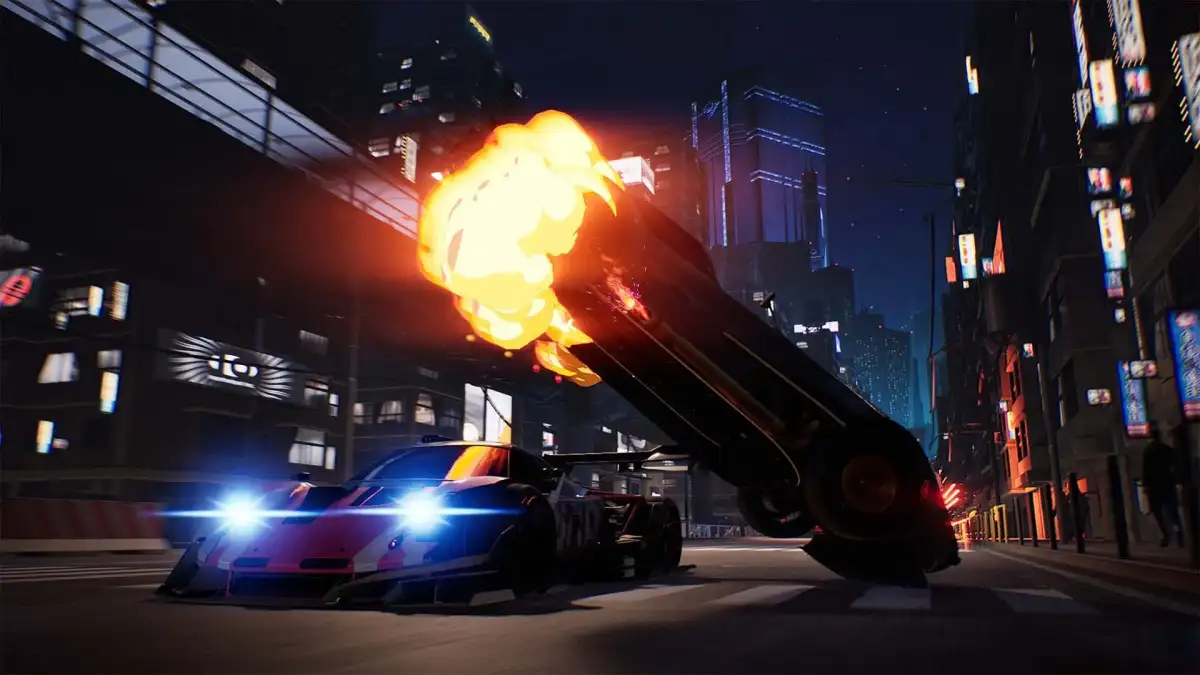
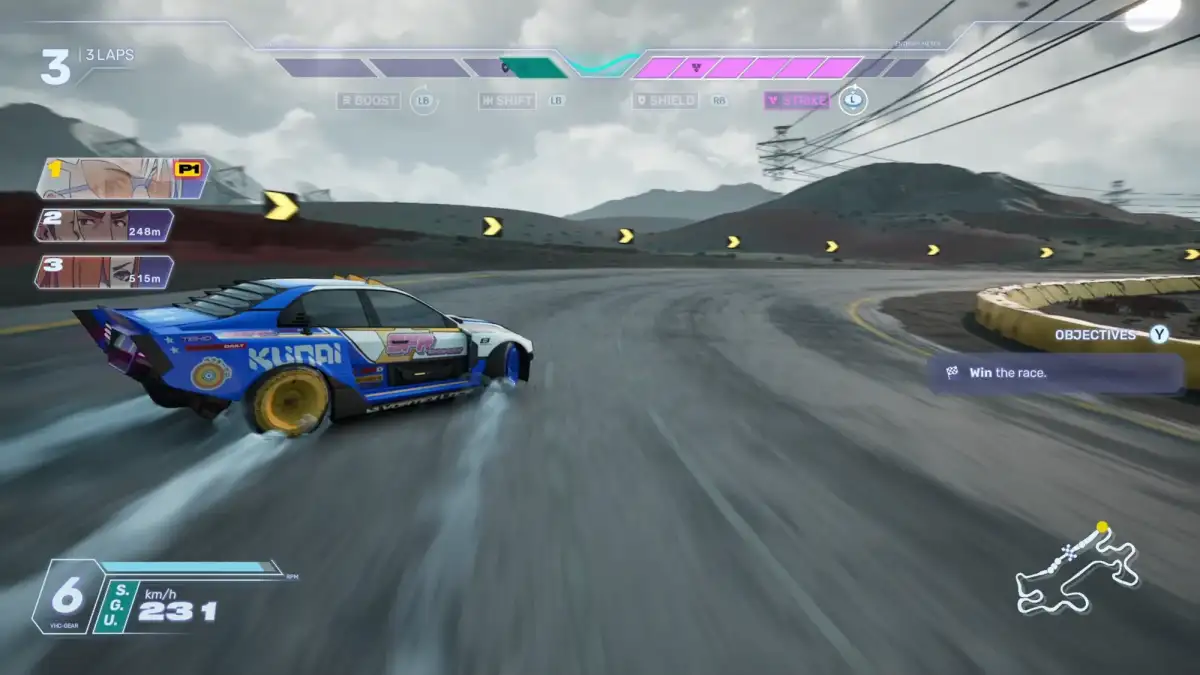
The game distinguishes itself with a "twin-stick driving" control scheme, where one stick handles steering and the other manages drifting, a departure from conventional inputs that some find initially awkward but ultimately rewarding. This, coupled with an "Overdrive" mechanic that transforms vehicles into temporarily invincible, explosive projectiles, forms the core of its action-oriented approach. Furthermore, a resource system involving "Sync" and "Entropy" governs abilities like shields and powerful "Strike" attacks, creating a dynamic push-and-pull during races. These elements are presented with a strong anime aesthetic, aiming to capture a specific, energetic visual and thematic tone.
Read More: Street Fighter 6 Year 4 Pass adds Tifa and 3 new fighters in 2026
A Blend of Familiar and Novel Gameplay
Across various critiques, a consistent theme emerges: Screamer attempts to layer numerous new mechanics, concepts, and customization options onto a foundation of classic arcade racing sensibilities. The result is an experience described as both fast and furious, with a complexity that unfolds as players engage with its systems. The central campaign, often referred to as Tournament mode, serves as an introduction to these elements, weaving a narrative that some find engaging enough to warrant completion, even if it exhibits uneven pacing or occasional narrative drag.
The gameplay loop involves more than just reaching the finish line. Players are often tasked with objectives beyond simply winning, such as taking out specific opponents, like the notorious "Green Reapers," or pursuing targets like a dog in one peculiar challenge. This adds layers of strategic decision-making, forcing players to manage finite resources like "takedown juice" and carefully time their offensive maneuvers. The combat aspect is underscored by the risk-reward nature of Overdrive, which can be a potent tool for domination but equally leads to self-destruction upon environmental contact.
Read More: Crimson Desert Game Early Reviews Show Big World But Less Fun Than Breath of the Wild
Mixed Reception on Depth and Storytelling
While the core racing mechanics and aggressive combat are frequently lauded, the game's narrative component garners a more varied response. Some reviews highlight a "very well written story" that can draw players in, while others point to its "weak narrative payoff" and moments where the story "drags or spins its wheels." The ability to skip story sequences is noted as a positive for those prioritizing pure gameplay.
Other modes, such as checkpoint races and time trials, are mentioned as compelling alternatives, offering opportunities for leaderboard competition. However, some of these supplementary modes are described as feeling "shallow" when compared to the more fleshed-out main campaign or core combat features. The inclusion of multiplayer options provides further avenues for engagement, though their depth is also subject to scrutiny.
Visuals and Performance
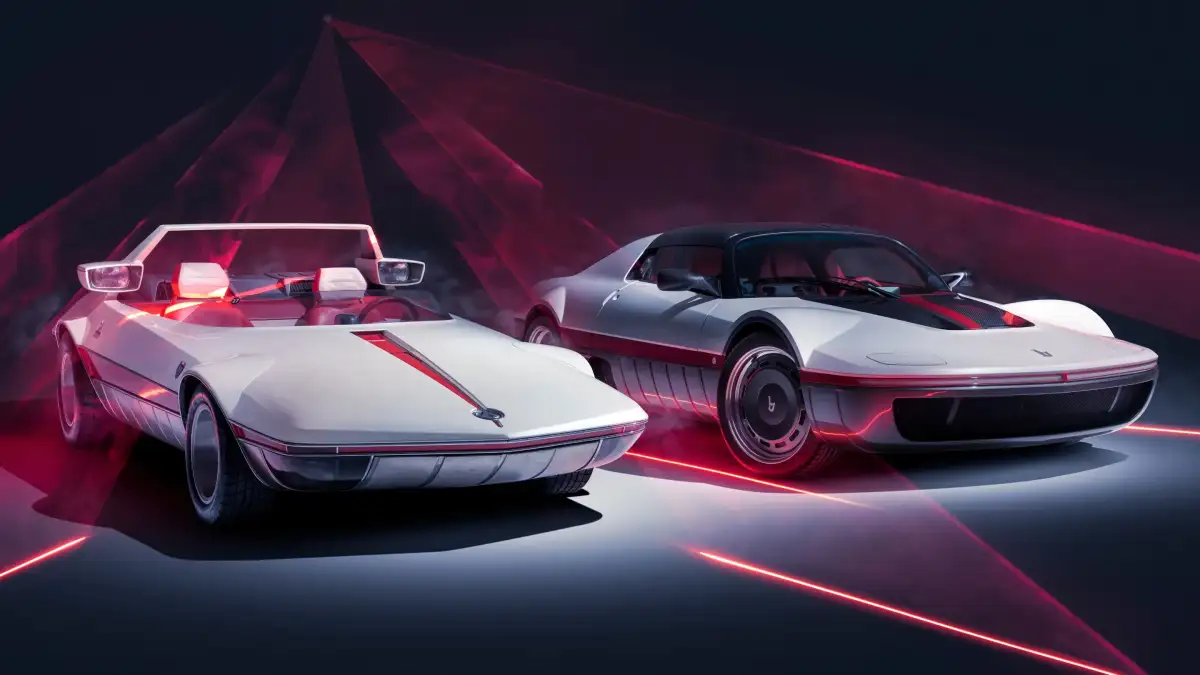
Visually, Screamer is often praised for its "stylish arcade racer" appearance, blending "cyberpunk, anime aesthetics." The art direction is credited with creating a visually arresting experience, with one reviewer specifically mentioning the breathtaking sight of sunlight glinting off buildings from an elevated vantage point.
Read More: Steam Machine GPU failure causes Red Line of Death on 7 April 2026
On a technical front, the game appears to run smoothly for most reviewers, with particular attention paid to its performance on the Steam Deck, where it can achieve a largely smooth 60 FPS experience with adjusted settings. The soundtrack is also noted as contributing to an engaging driving experience.
Background: A Revival of a Lost Art?
Screamer emerges in a landscape where deep, complex arcade racers are perceived as less common. The game's design seems to consciously evoke a spirit of a bygone era of arcade gaming, particularly drawing inspiration from '90s titles with its anime flair and relentless pace. This revivalist approach, combined with modern game design considerations, positions Screamer as a potentially significant, if not entirely flawless, entry in the genre.


/content/opengraph/MTG-Top-10-Best-Commander-Cards-From-Magic-The-Gathering-Marvel-Super-Heroes-MSC-MSH.png)
)