Persistent instability in high-draw GPU power delivery remains a critical hardware concern, despite revisions to the standard. Industry discourse has shifted from debating connector design to accepting the reality of mechanical failure. Corsair has recently acknowledged that the transition from the older 12VHPWR to the current 12V-2x6 standard has not eliminated the risk of overheating.
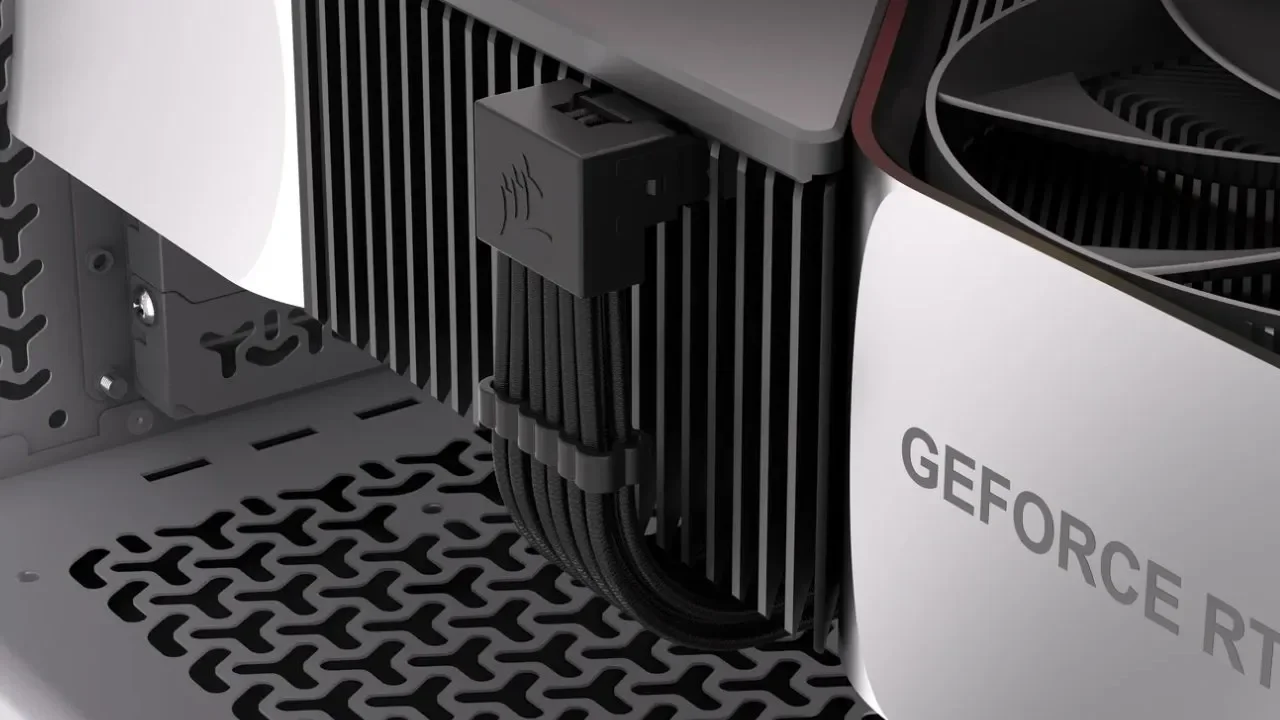
The root cause of failure is mechanical instability rather than simple wattage overload. Factors such as cable stiffness, routing tension, vibrational wear, and the degradation of connections following repeated insertion cycles can cause the plug to back out of its socket, leading to uneven resistance and dangerous localized heat spikes.
The ThermalProtect Patchwork
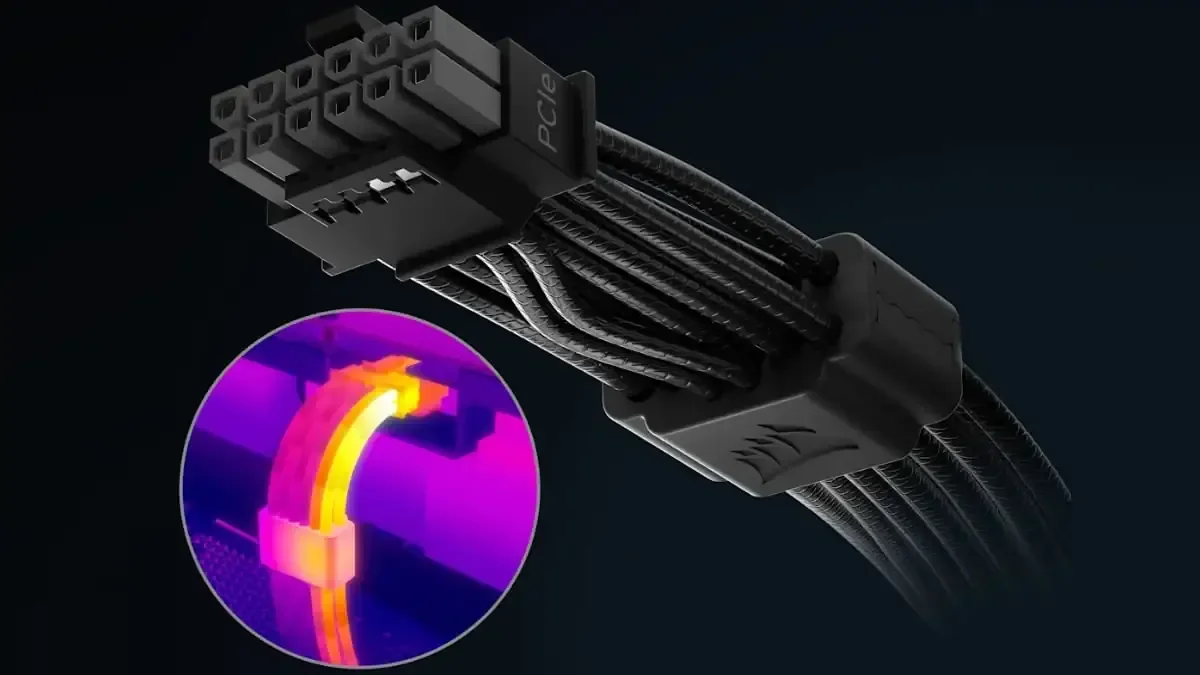
In response to these systemic flaws, Corsair has introduced its ThermalProtect technology, a hardware-level safety intervention designed to bypass the limitations of current GPU monitoring systems.
Read More: NVIDIA to AMD GPU Switch Needs Full Driver Clean
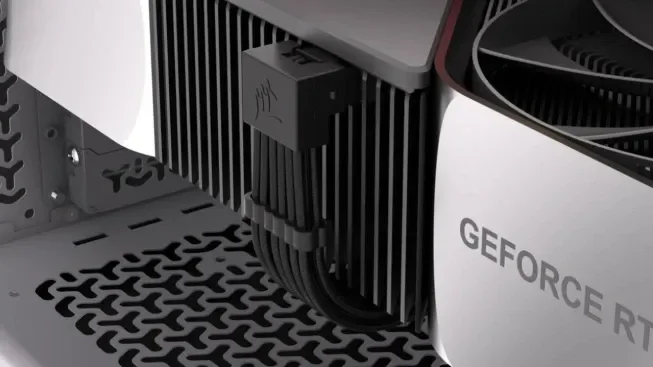
Mechanical Sensing: The system uses a bimetallic thermal switch embedded directly into the cable comb, located 30mm from the GPU interface.
Passive Operation: It requires no software, firmware, or active communication with the power supply.
Fail-Safe: If temperatures reach 65°C, the switch breaks the circuit, forcing the graphics card to cut power in under 90 seconds to prevent thermal runaway.
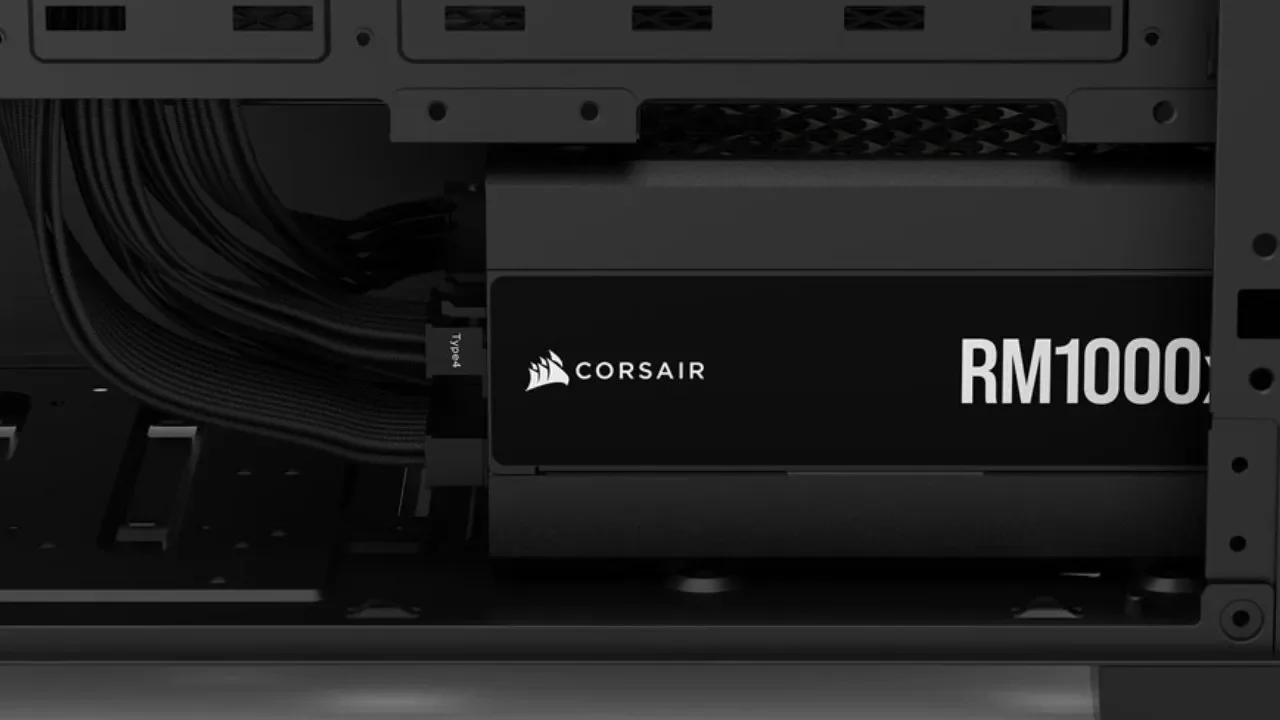
Compatibility: The solution is vendor-agnostic and functions with any 12V-2x6 or 12VHPWR power supply.
"The issue is that connectors do not always stay seated… cable tension from routing, vibration, the weight of a stiff cable pulling at the connector, repeated insertions over time – any of these can gradually work a connector loose." — John Gerow, Corsair Engineering
Structural Vulnerabilities in GPU Power
The reliance on a 16-pin interface to deliver high current levels has faced criticism for failing to ensure uniform load distribution across individual pins. While manufacturers have touted "revised" designs, testing indicates that uneven resistance across contacts persists.
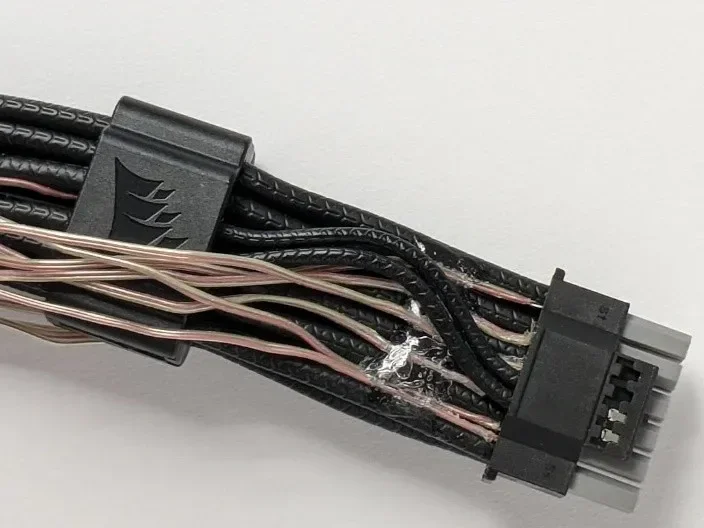
| Failure Mode | Contribution to Heat |
|---|---|
| Incomplete Seating | Increases contact resistance, causing arcing/melting. |
| Cable Tension | Shifts the plug, pulling pins away from full surface contact. |
| Vibration | Degrades physical connection strength over extended operation. |
| Adapter Usage | Moves the heating zone outside the sensor’s range, bypassing protection. |
Background
The industry moved to the 16-pin standard to consolidate power delivery for high-performance graphics cards, yet the history of these connectors—dating back to the launch of the RTX 40-series—has been marked by recurring reports of melted ports and charred sockets. Despite industry attempts to solve the problem through physical design changes, the inherent difficulty of maintaining a high-pressure, low-resistance connection in a standard consumer PC build remains a significant technical bottleneck. Hardware manufacturers now appear to be prioritizing reactive safety (shut-down protocols) over inherent structural reliability.


/content/opengraph/MTG-Top-10-Best-Commander-Cards-From-Magic-The-Gathering-Marvel-Super-Heroes-MSC-MSH.png)