A FRACTURED FAITH: IS THE CONSERVATIVE MOVEMENT A COLLISION OF IDEAS OR A CRISIS OF IDENTITY?
The struggle to unite and lead the conservative movement isn't a new problem, but it's reaching a fever pitch. Across the political spectrum, leaders and analysts alike grapple with a fundamental question: Why do conservatives seem perpetually at odds with themselves? Is it an inherent resistance to authority, a fundamental disagreement on core principles, or something else entirely? We delve into the complex tapestry of conservative thought, examining the historical roots, the diverse factions, and the psychological underpinnings that make leading this particular flock a Herculean task. From fiscal hawks to cultural traditionalists, the conservative tent appears to house a spectrum of beliefs that often seem to pull in opposing directions.
THE ECHOES OF HISTORY: ROOTS OF DIVERSE CONSERVATISM
The roots of conservatism run deep, but they are not monolithic. Unlike a movement built on a single, rigid ideology, conservatism has often been described as a temperament as much as a doctrine. This fundamental characteristic, rooted in a distrust of untested change and a respect for established traditions, has paradoxically given rise to a multitude of expressions.
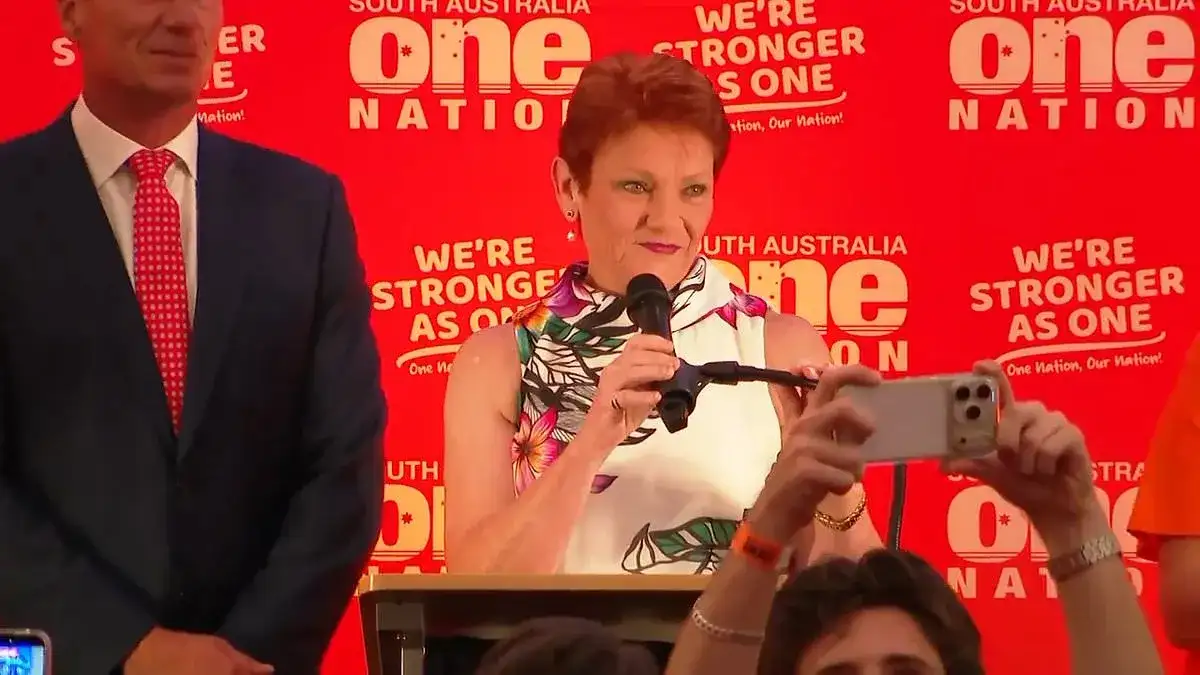
Read More: South Australia Election 2024: Labor Wins, One Nation Surges Past Liberals
Traditionalism and Continuity: At its core, conservatism values "unbroken historical continuity and in the traditional frameworks for conducting human affairs" (Britannica). This means valuing what has been proven to work, whether it's social customs, institutions, or moral orders.
Fear of the Unknown: A key tenet is a "distrust of human nature, rootlessness, and untested innovations" (Britannica). This breeds caution when it comes to radical change, but what constitutes "radical" can vary wildly among different conservative groups.
Enduring Moral Order: Many conservatives adhere to the belief that "there exists an enduring moral order" (Russell Kirk Center). This provides a bedrock of values, but interpretations of that order can differ.
Historically, conservatism has seen different manifestations. In Canada, for instance, distinct streams have emerged:
Populism / Western-Style Conservatism: This faction is characterized by skepticism towards elites and centralized government (Ottawa), with strong ties to Western Canada.
Quebec Conservatism: This variant blends provincial rights and cultural protection with fiscal conservatism, often exhibiting a skepticism towards social conservatism.
Social Conservatism: While not always the primary focus, this strand emphasizes traditional social values and religious principles.
"Conservatism is as much a matter of temperament as of doctrine." - Britannica
These differing historical and regional influences mean that what one segment of conservatives prioritizes might be viewed with suspicion by another. Is the historical context of these diverse branches the primary reason for the difficulty in unifying them, or are there more fundamental ideological clashes at play?

THE PILLARS OF PRINCIPLE: WHAT CONSERVATIVES ACTUALLY BELIEVE
While diversity is a hallmark, certain core principles often resurface within conservative discourse. However, even these seemingly shared values can be interpreted through vastly different lenses, leading to internal friction.
Fiscal Responsibility & Free Markets: A significant emphasis is placed on limited government spending and free market principles. The idea is that "government often stands as the greatest obstacle to the progress and prosperity of free people" (Mike Johnson). This includes fostering innovation through "limited government intervention and regulation" (Mike Johnson).
Individual Liberty and Choice: Conservatives often champion individual rights and choices, contrasting this with what they perceive as a "one political solution fits all" progressive approach. They believe in "individual rights, not special rights" (Heritage Foundation).
Skepticism of Centralized Power: A deep-seated distrust of large, centralized government is common, stemming from a belief in constitutional rule of law and a preference for decentralized authority (Cairo Review).
However, the devil is in the details.
Read More: Politicians Who Switch Parties in Canada Face Low Re-election Chances
| Principle | Common Interpretation | Potential Points of Contention |
|---|---|---|
| Fiscal Conservatism | Lower taxes, reduced government spending, balanced budgets | What constitutes "responsible" spending? What about social programs? |
| Free Markets | Minimal regulation, free trade | Protectionist impulses vs. free trade agreements; corporate influence |
| Individual Liberty | Personal freedoms, property rights | The scope of those freedoms; individual rights vs. collective good |
When Pierre Poilievre, for instance, emphasizes themes like "freedom and fiscal conservatism," he's aiming for common ground. His recent leadership review, where he secured "87 per cent" of delegate support, suggests a temporary unification around these broad strokes. But does this indicate genuine ideological alignment, or simply a pragmatic endorsement of a strong leader?
THE PSYCHOLOGY OF BELIEF: BRAINS, BIASES, AND BELIEFS
Beyond doctrine and historical circumstance, the very way conservatives process information and form beliefs may contribute to their divisiveness and susceptibility to certain narratives. Research suggests potential differences in cognitive styles and predispositions.
Cognitive Shortcuts: Some studies suggest conservatives "may be more likely to rely on error-prone cognitive shortcuts" (Slate). This isn't necessarily a sign of lower intelligence, but rather a different approach to processing complex information, perhaps influenced by a desire for clarity and predictability.
Need for Closure and Predictability: Conservative affiliations often serve "multiple social goals: they feed our need to belong and desire for closure and predictability" (Scientific American). This desire for a stable, predictable worldview can make it challenging to reconcile conflicting ideas within the movement.
Moralistic Tendencies: Research has indicated that conservatives can be "more moralistic" and potentially more resistant to factual corrections when beliefs align with their moral framework (Slate).
"Partisanship does not just affect our vote; it influences our memory, reasoning and even our perception of truth." - Scientific American
This raises a critical question: Are these psychological tendencies inherent, or are they shaped by the political environment? And how does this susceptibility to certain ways of processing information make them easier or harder to lead? Does a leader who taps into these predispositions unite them, or merely reinforce existing divisions by catering to specific cognitive styles?
Read More: Tamil Nadu Election: DMK offers 5 seats to CPI(M) causing alliance worry

THE "TOWER OF BABEL" CONSERVATIVE: A SPECTRUM, NOT A SINGLE VOICE
The challenge of leading conservatives isn't just about policy differences; it's about managing a diverse coalition with fundamentally different worldviews. The image of a single, unified conservative identity often crumbles under scrutiny.
Populist Skepticism: A significant portion of conservatives, particularly in Western Canada, harbor a deep-seated skepticism of established institutions and "Ottawa elites." This Western alienation is a potent force that leaders must acknowledge.
Fiscal Pragmatism vs. Ideological Purity: While fiscal responsibility is a common theme, the interpretation of what that means can lead to clashes. For some, it's about balanced budgets above all; for others, it might involve targeted spending or protectionist measures to support domestic industries.
The Unwillingness to Be Boxed In: As one commentator notes, "don’t our political views fall not into neat and tidy boxes, but onto a messy and sometimes jumbled continuum?" (Braver Angels). This inherent resistance to categorization makes it difficult for any single leader to represent the entirety of the conservative spectrum.
Consider the different archetypes:
| Conservative Archetype | Key Concerns | Potential Conflicts |
|---|---|---|
| Fiscal Hawk | Debt, taxes, government spending | Social programs, infrastructure spending, national security budgets |
| Social Traditionalist | Family values, religious freedom, cultural norms | Individual liberties, LGBTQ+ rights, secularism |
| Populist Nationalist | Border security, national sovereignty, anti-elite sentiment | Free trade agreements, international alliances, globalist institutions |
| Libertarian-Leaning | Individual liberty, minimal government intervention, free markets | Regulations that protect consumers/environment, social safety nets, law enforcement powers |
| Western Alienated | Resource development, regional representation, federal overreach | Policies favoring Eastern Canada, carbon taxes, environmental regulations |
When Pierre Poilievre faces challenges, is he navigating these distinct groups, or is he trying to find a mythical "common ground" that may not truly exist in a unified form? Does emphasizing shared themes like "freedom" inadvertently alienate those who see freedom through a different lens?
THE CHALLENGE OF LEADERSHIP: UNIFYING A DISPARATE FAITH
Ultimately, the difficulty in leading conservatives stems from a complex interplay of historical legacies, diverse ideological currents, and even psychological predispositions. It’s a movement that thrives on skepticism, making it inherently resistant to easy direction.
The Paradox of Unity: The very principles that conservatives hold dear—individual liberty, skepticism of authority, and adherence to tradition—make them challenging to herd. A strong hand might be seen as authoritarian, while a weaker one might be seen as ineffective.
The "Messy Continuum": The acknowledgment that political views don't fit into "neat and tidy boxes" is crucial. Leaders must contend with a broad spectrum, from those who prioritize individual freedom above all to those who seek a return to traditional social structures.
The Perennial Struggle for Identity: Throughout history, conservatism has grappled with its identity, particularly in the face of evolving social and economic landscapes. The tension between maintaining tradition and adapting to change is a constant internal debate.
The question remains: Can any leader truly unify such a fractured coalition? Or is the ongoing struggle for leadership and definition an intrinsic characteristic of conservatism itself? The high approval rating for Poilievre might signal a desire for a unifying figure, but the long-term success will depend on his ability to bridge these deep-seated divides without alienating core constituencies. The conservative movement, it seems, is perpetually in a state of dynamic, and often contentious, self-discovery.
Read More: Canada Alone in G7 Without Oil Reserve as Global Shortages Hit
Sources:
National Post: "Why are Conservatives hard to lead? Just look at how many different kinds there are" - https://nationalpost.com/news/canada/why-are-conservatives-hard-to-lead-just-look-at-how-many-different-kinds-there-are
Britannica: "Conservatism - Traditionalism, Hierarchy, Authority" - https://www.britannica.com/topic/conservatism/General-characteristics
Mike Johnson (U.S. Congressman): "7 Core Principles of Conservatism" - https://mikejohnson.house.gov/7-core-principles-of-conservatism/
The Russell Kirk Center: "Ten Conservative Principles" - https://kirkcenter.org/conservatism/ten-conservative-principles/
The Heritage Foundation: "The 3 Big Differences Between Conservatives and Progressives" - https://www.heritage.org/conservatism/heritage-explains/the-3-big-differences-between-conservatives-and-progressives
Slate: "Why Are Conservatives More Susceptible to Believing Lies?" - https://slate.com/technology/2017/11/why-conservatives-are-more-susceptible-to-believing-in-lies.html
Scientific American: "Conservative and Liberal Brains Might Have Some Real Differences" - https://www.scientificamerican.com/article/conservative-and-liberal-brains-might-have-some-real-differences/
Braver Angels: "Why I am a Conservative" - https://braverangels.org/why-i-am-a-conservative/
The Cairo Review: "Understanding Conservatives" - https://www.thecairoreview.com/essays/understanding-american-conservatives/
Wikipedia: "Conservatism in the United States" - https://en.wikipedia.org/wiki/ConservatismintheUnitedStates
Wikipedia: "Conservatism" - https://en.wikipedia.org/wiki/Conservatism