

Taipei, Taiwan - June 2, 2026 - The sprawling COMPUTEX 2026, a nexus of global technology, has thrown open its doors, showcasing an industry fixated on the pervasive integration of artificial intelligence. From the Taipei Nangang Exhibition Center to the TWTC Exhibition Hall, the event underscores a pivotal moment in AI's commercialization and infrastructure scaling, with industry titans and emerging startups converging to define the next wave of computing.

The exhibition highlights a vertically integrated technology ecosystem, spanning semiconductor design, advanced computing infrastructure, robotics, and real-world AI applications. Discussions are centered on AI scalability, infrastructure readiness, sustainability, and long-term market direction.
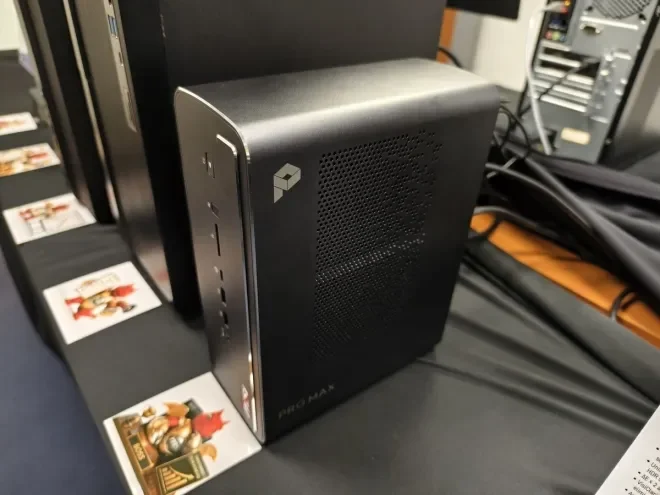
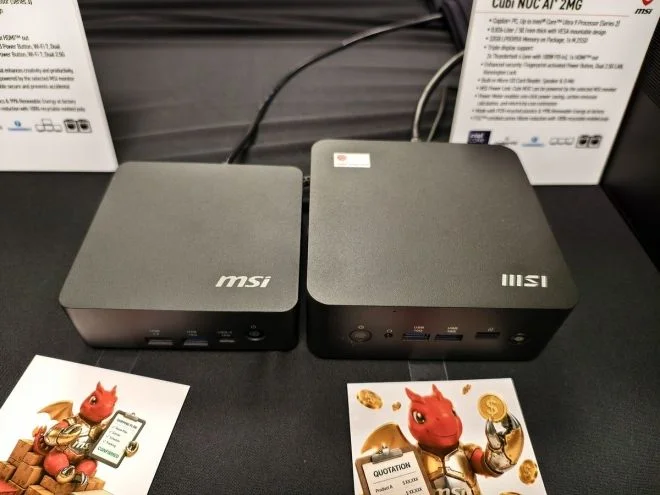
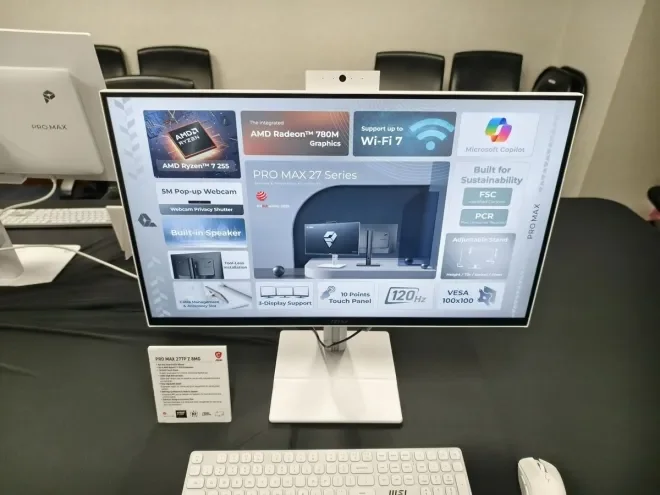
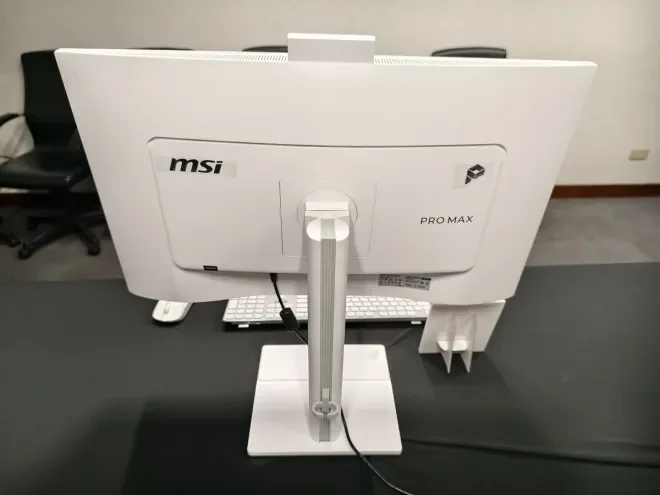
Key announcements signal a significant push for local AI processing capabilities, aiming to reduce reliance on cloud-based solutions. This trend is evident in the introduction of new hardware designed to facilitate these on-device AI models. The sheer scale of the event, drawing nearly 500 global startups to its InnoVEX segment alone, points to a burgeoning landscape of AI innovation. Major players like Intel, AMD, and NVIDIA are unveiling new processor architectures and dedicated AI hardware, while manufacturers such as ASUS, Gigabyte, and MSI are integrating these advancements across their product lines, from laptops to desktops and displays.
Read More: Chrome mimeHandler API lets extensions handle file types
NVIDIA's Strategic Shift Towards ARM Processors and AI Platforms
NVIDIA, a central figure at COMPUTEX, is reportedly making a notable foray into ARM-based processors for laptops, signaling a potential shift in the PC market. The upcoming N1X model is rumored to feature a substantial number of ARM cores and CUDA cores, positioning it as a significant contender for Windows on ARM gaming.
"Jensen Huang must share the scene with Matt Murphy, the CEO of Marvell, to talk about their current topic: AI and the explosion of its infrastructure."
Beyond its consumer-facing announcements, NVIDIA is also emphasizing its Jetson Thor platform for edge AI in autonomous robots, alongside Alpamayo, its open AI models for simulation and autonomous vehicles. This dual focus highlights the company's broad ambitions in the AI domain, from high-performance computing to decentralized AI applications.
Read More: BEREC Asks for Mobile Network API Ideas from Developers
Intel and AMD Detail Next-Generation Architectures and AI Integration
Intel is set to detail its upcoming 'Crescent Island' AI GPU, boasting significant LPDDR5X memory capacity, and is expected to discuss its 'Nova Lake' and 'Panther Lake' processor families. The company's strategy appears to emphasize its presence in the data center with future Xeon processor generations, including the 18A process-based 'Diamond Rapids' and 'Clearwater Forest'.
AMD, meanwhile, is confirming continued support for its AM5 chipset through 2029 and is introducing new Ryzen processor variants, including a rerelease of the Ryzen 7 5800X3D. The pervasive theme of AI is expected to be a central element in AMD's presentations as well.
Hardware Ecosystem Broadens with New Displays and Components
The exhibition is also a showcase for advancements in memory, storage, and displays. Companies like Alienware are introducing new OLED gaming monitors, while Microsoft's Surface Laptop Ultra is reportedly leveraging NVIDIA's RTX Spark superchip, signaling collaborations across hardware and software vendors. The ongoing global memory shortage, exacerbated by the surge in AI infrastructure demand, remains a backdrop, emphasizing the critical need for efficient, local AI processing. Manufacturers like ASUS are celebrating significant anniversaries, showcasing their continued innovation in the gaming hardware space with special edition peripherals and components.
Read More: Confidential Computing Security Flaw Found on 4 April 2026
Background:
COMPUTEX, held annually in Taipei, Taiwan, is a globally recognized IT trade show. It serves as a critical platform for the unveiling of new technologies and products from leading semiconductor designers, hardware manufacturers, and technology firms. The event typically spans multiple venues across Taipei, including the Nangang and Xinyi districts, drawing a significant international audience of industry professionals, media, and enthusiasts. This year's focus on AI reflects a broader industry trend driven by the exponential growth in data and the increasing demand for intelligent, automated solutions across various sectors. The global nature of the event underscores Taiwan's central role in the global electronics supply chain.
Read More: Street Fighter 6 Year 4 Pass adds Tifa and 3 new fighters in 2026



