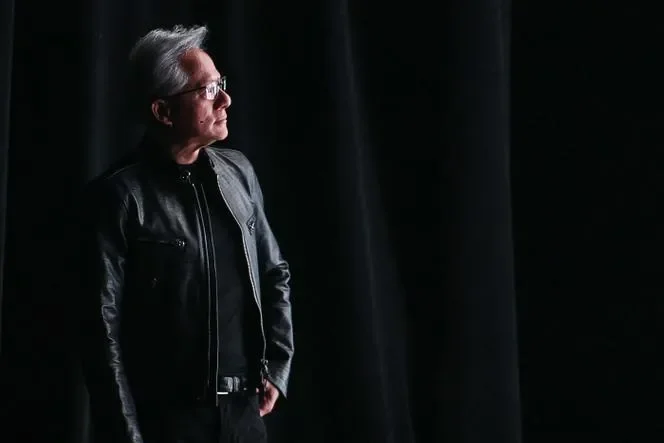
Nvidia has formally launched its RTX Spark processors, aimed at Windows laptops, in a bid to dismantle Intel's long-standing dominance in the personal computer processor market. The company signals a dramatic shift, posturing the new chips as instrumental in modernizing devices for an increasingly AI-centric world.
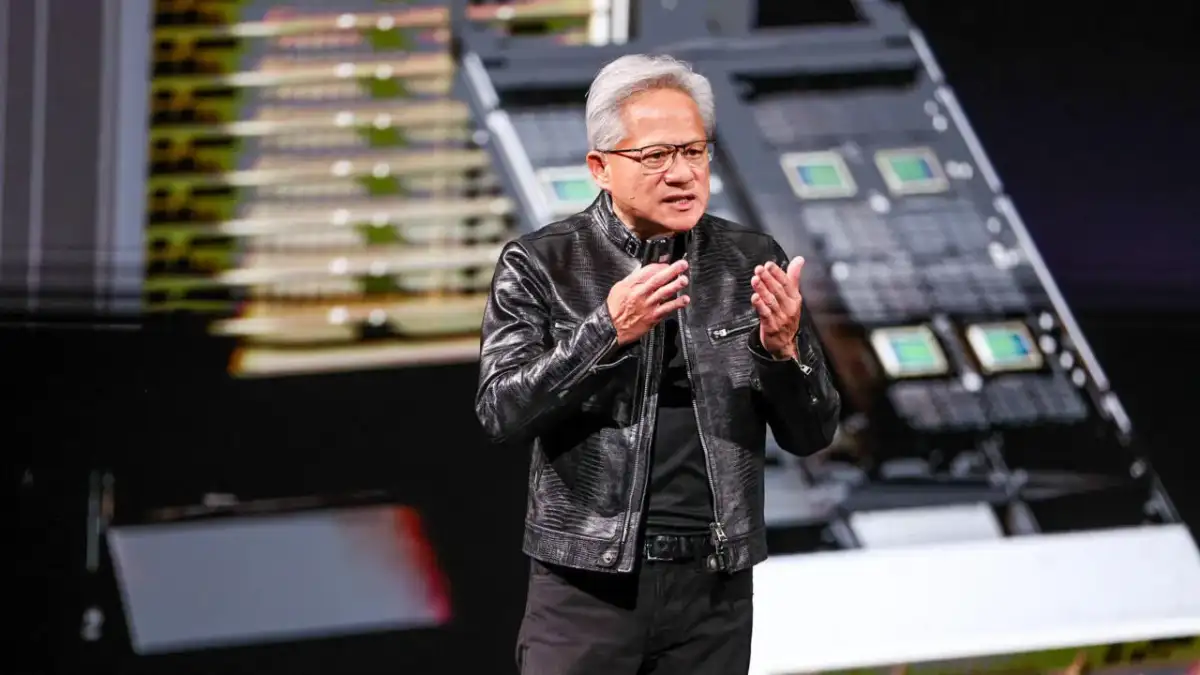
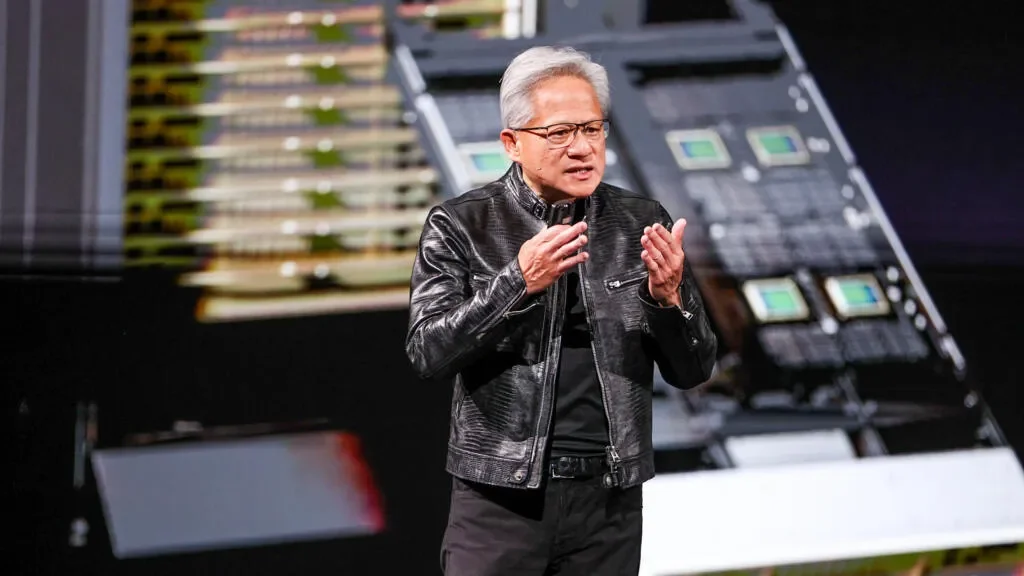
Nvidia's ambition, articulated by CEO Jensen Huang, is to "reinvent the PC." The RTX Spark is slated for availability in the autumn. This move comes as the artificial intelligence sector experiences massive financial injections, with Nvidia’s own valuation soaring past $5 trillion, exceeding the GDP of countries like Japan or India.
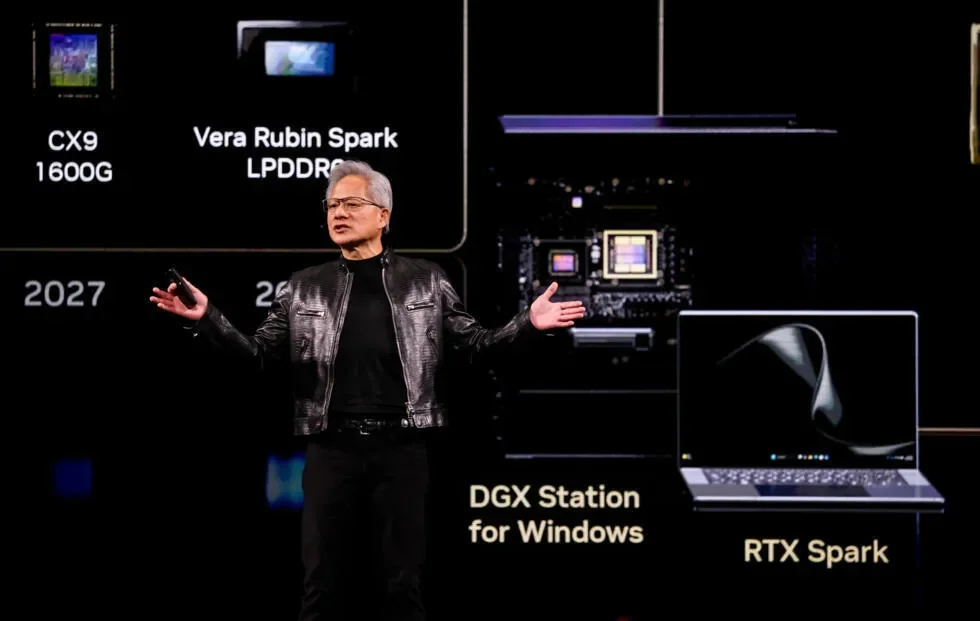
A New Chip, A New Era?
The RTX Spark processors are designed to handle a wide array of tasks, from complex scientific computations in fields like digital biology, seismic processing, and astrophysics, to the execution of AI agents capable of performing tasks on behalf of users. Huang stated that Microsoft and Nvidia have meticulously optimized these new machines to run "everything the world has ever created," alongside these advanced AI functionalities.
Read More: Gravity Circuit Game 1 Free on Steam Ahead of Gravity Circuit 2
Challenging the Status Quo
This launch directly confronts Intel’s entrenched position in the PC processor landscape. The move by Nvidia, a company already prominent in AI hardware, suggests a strategic expansion into a market segment it has not historically led. The timing aligns with a broader trend of massive government and corporate investment in AI infrastructure, underscoring the perceived importance of AI capabilities in everyday computing.

Contextualizing the Update
While the RTX Spark represents a new hardware initiative, Nvidia’s existing software, such as 'GeForce Experience', continues to offer features like automatic driver updates and game setting optimization. This software, currently in beta versions, also facilitates game recording and live streaming capabilities, indicating a layered approach to user engagement and hardware performance.