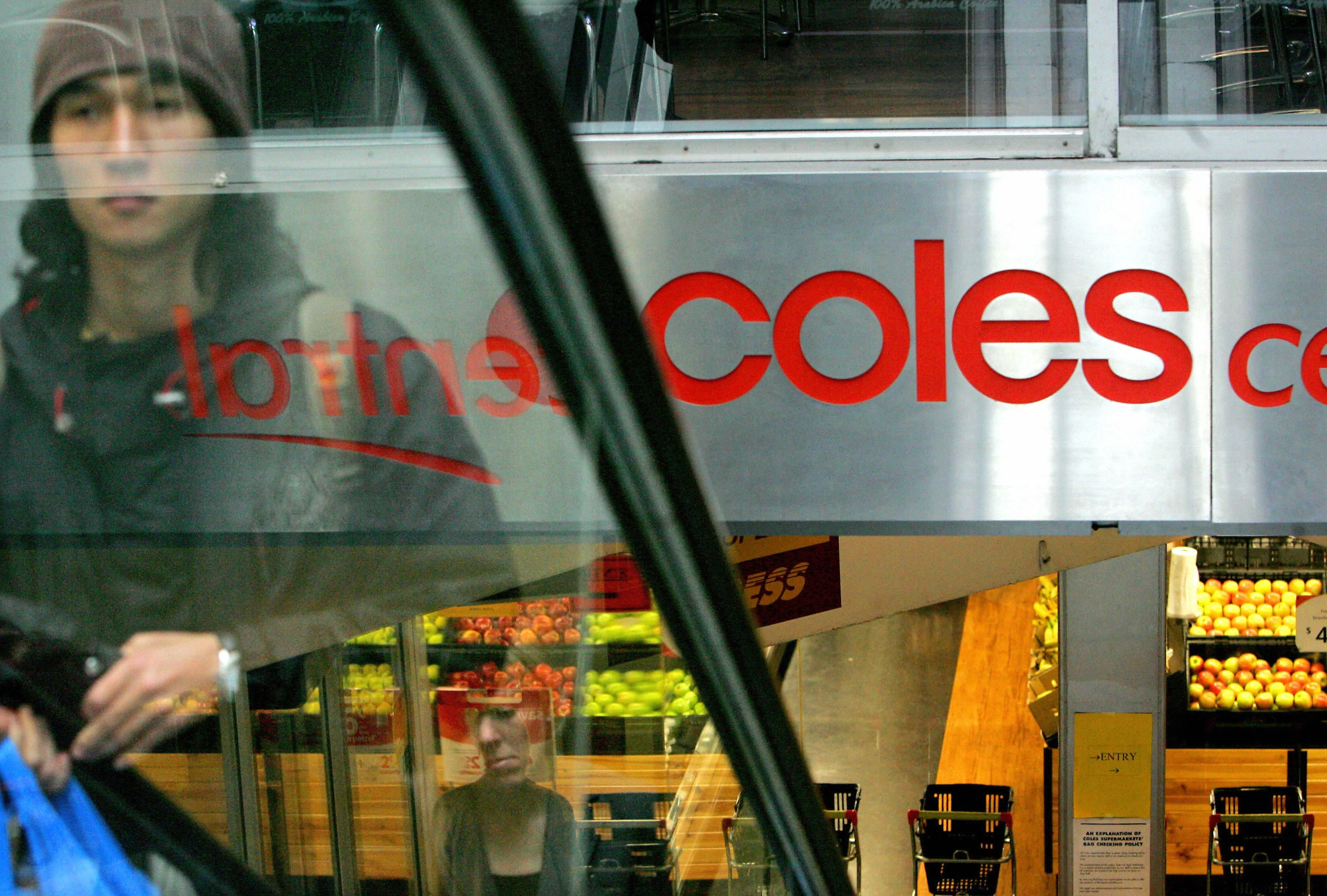
The Australian Federal Court is currently hearing a significant case where the competition regulator, the ACCC, accuses supermarket giant Coles of misleading consumers with its "Down Down" discount promotions. The core of the ACCC's claim is that Coles artificially inflated prices before advertising them as discounted, leading shoppers to believe they were getting a better deal than they actually were. This legal battle, potentially involving substantial fines for Coles, represents a major scrutiny of supermarket pricing practices during a period of rising living costs.

Context of the Legal Challenge
The legal proceedings, which began in the Federal Court in Melbourne, are the result of a broader investigation by the Australian Competition and Consumer Commission (ACCC) into how supermarkets price their products. This case is described as a landmark test, highlighting the regulator's focus on supermarket pricing strategies amid widespread concerns about the cost of living. The court is scheduled to hear evidence over a 10-day period.
Read More: Berkshire Hathaway Buys $350 Million Stake in The New York Times in Q4 2025
Timeline: The hearings commenced on a Monday, with the ACCC expected to present its first witnesses shortly after. The articles were published around February 17-19, 2026, indicating the court case is ongoing.
Key Players:
Coles: The supermarket chain accused of misleading pricing practices.
ACCC (Australian Competition and Consumer Commission): The regulatory body bringing the legal action.
Federal Court of Australia: The venue for the legal battle.
Garry Rich SC: Senior Counsel representing the ACCC.
John Sheehan KC: Barrister representing Coles.
Justice Michael O’Bryan: The presiding judge.
Core Allegation: The ACCC alleges that Coles engaged in an "utterly misleading" discounts campaign. Specifically, the regulator claims that Coles increased the prices of hundreds of products for a period before advertising them as discounted under their "Down Down" campaign. The ACCC contends that the "promotional price" was often the same as, or even higher than, the regular shelf price that existed before the price increase.
Coles' Defence and Counterarguments
Coles has strongly denied the ACCC's claims, arguing that its "Down Down" promotions represented a genuine reduction in price. The company's defence hinges on several points:

Inflationary Pressures: Coles argues that price increases were driven by unanticipated inflationary periods, and the subsequent "Down Down" prices were genuinely lower than these inflated prices. They suggest that adding complex price history to labels would confuse consumers.
Genuine Discount: Coles' legal team, led by John Sheehan KC, has argued that consumers would accept the promotion as a real drop in price. They also stated that for most of the 245 items in question, the price had not been increased for a very short duration.
Complexity of ACCC Case: Coles has also claimed that the ACCC's case is "too complicated" and has challenged the regulator's ability to define what constitutes a "regular price" and for how long it must be offered to qualify as a benchmark for a discount.
ACCC's Rebuttal and Evidence
The ACCC, through its counsel Garry Rich SC, has rejected Coles' explanations, labeling them as a "half-truth apt to mislead consumers." The regulator has presented evidence in court, including internal Coles emails, which reportedly shed light on the company's concerns about maintaining competitiveness with rival Woolworths.
Email Evidence: These emails suggest that Coles' pricing rules were perceived as hindering its ability to compete, especially during periods of high inflation.
Definition of "Regular Price": The ACCC argues that while a promotional price might be lower than an immediately preceding inflated price, it is deceptive if it's higher than the long-term regular price that existed before any price spike.
Shapes Pricing Example: In one specific instance highlighted by the ACCC, former Coles manager Rebecca Thompson was questioned about Arnott's Shapes Multipack pricing. The ACCC claims that shoppers paid the same or more for these products during the "Down Down" promotion compared to their regular price, despite the advertised discount.
Expert and Former Regulator Commentary
While not directly involved in the current proceedings, figures like Graeme Fels, a former ACCC commissioner, have offered insights into the potential implications of such cases.
"Quite possibly the price increases were genuinely needed to cover inflation, but that is not a defence to allegations that consumers were misled and deceived." - Graeme Fels
Fels indicated that such a case could carry significant reputational risk for Coles and potentially lead to fines in the hundreds of millions of dollars, drawing parallels to penalties levied on other corporations found guilty of misleading customers.
Read More: Rottnest Channel Swim Cancelled in 2024 Due to 55 kph Winds and Rough Seas
Findings and Potential Ramifications
The Federal Court is tasked with determining whether Coles' "Down Down" pricing strategies breached Australian consumer law. The case is significant not only for the potential penalties Coles may face but also as a test case for the ACCC's broader scrutiny of supermarket pricing.
Consumer Impact: If the ACCC is successful, it could lead to stricter regulations and greater transparency in how supermarkets advertise discounts, directly impacting consumer trust and purchasing decisions.
Market Dominance: Coles, along with Woolworths, controls a significant portion of the Australian grocery market, making the outcome of this case particularly impactful for consumers nationwide.
Next Steps: The court will weigh the evidence presented by both Coles and the ACCC to make its determination. The outcome will have implications for Coles' future marketing practices and could set precedents for the retail sector.
Sources Used & Context:
ABC News (Article 1 & 6): Provides details on the court proceedings, including questioning of a former Coles manager regarding specific product pricing and Coles' defence arguments. https://www.abc.net.au/news/2026-02-18/coles-accc-discounts-federal-court/106358474, https://www.abc.net.au/news/2026-02-17/coles-accc-federal-court-down-down-promotion/106295044
The Guardian (Article 3 & 7): Offers an overview of the case, Coles' arguments that promotions were "fair dinkum," and details about the court's focus on pricing rules and competitiveness during inflation. https://www.news.com.au/national/courts-law/coles-engaged-in-utterly-misleading-discounts-campaign-accc-alleges/news-story/e5a4e7dcd1f8ec7fae99c6943a1688bf, https://www.theguardian.com/business/2026/feb/17/coles-discounts-accc-court-down-down-promotions
SmartCompany (Article 4): Introduces the case as a major test for the regulator and details the core allegations about promotional prices being the same or higher than earlier shelf prices. https://www.smartcompany.com.au/retail/accc-coles-discounts-court-case/
SBS News (Article 5): Focuses on the ACCC's rejection of Coles' defence, quoting former ACCC commissioner Graeme Fels on potential penalties and reputational damage, and highlights the allegation that prices were inflated before being discounted. https://www.sbs.com.au/news/article/accc-coles-misleading-discounts-allegations-federal-court-case/92p7elywx
The Guardian (Article 2): While this article's summary focuses on unrelated political news, its presence in the source list suggests a broader context of Australian news reporting around the same timeframe. The summary provided was not relevant to the core topic of Coles' pricing. https://www.theguardian.com/australia-news/2026/feb/19/all
The Independent (Article 8): The summary was not available or too short for extraction. https://www.independent.co.uk/news/world/australasia/coles-australia-accc-discount-lawsuit-b2920966.html