THE GHOSTS IN THE GARDEN
The mundane routines of suburban life have long served as an unlikely cloak for some of the Cold War's most profound betrayals and daring escapes. Recent revelations underscore how individuals, appearing as unassuming neighbours or devoted family members, were deeply enmeshed in a shadow war of espionage that shaped global politics. The ordinary homes on ordinary streets concealed networks that traded vital national secrets, proving that some of the most significant battles were fought not on foreign fields, but within the quiet confines of domesticity.
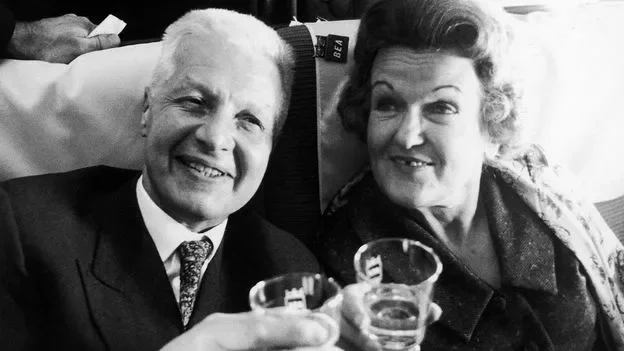
The story of Oleg Gordievsky, once described as Britain's greatest Cold War spy, continues to cast a long shadow. Having lived in Surrey for years, his presence went largely unnoticed, his past identity only becoming clear to neighbours after his death. Paul Baker, a former colleague at The Refectory in Godalming, noted Gordievsky's quiet demeanor, mistaking him for a retired scientist. This underscores the effectiveness of deep cover: a figure of immense strategic importance lived a life indistinguishable from any other pensioner. Gordievsky's existence and eventual escape in 1985, a meticulously planned operation codenamed 'Pimlico', orchestrated by figures like former MI6 deputy head Valerie Pettit, highlights the desperate measures taken to extract high-value assets from the Soviet Union.
Read More: St. Augustine's ideas on justice help explain US politics

NUCLEAR SECRETS STOLEN FROM QUIET STREETS
A more insidious threat emerged from seemingly ordinary households in the form of the Portland Spy Ring. This network, composed of Soviet agents operating under the guise of friendly Americans, Morris and Lona Cohen, successfully infiltrated and extracted sensitive British naval and nuclear secrets. Their success hinged on internal access, specifically individuals like Ethel Gee and another unnamed member, both holding positions within sensitive naval establishments. This group’s activities demonstrate a chilling effectiveness in exploiting seemingly trusted environments to undermine national security.

Similarly, Melita Norwood, operating for decades as a KGB spy, lived a quiet life of gardening and jam-making in the suburbs. Exposed after 40 years, she confessed to leaking US and British nuclear secrets, maintaining she would act the same given the chance. Her case, and that of the Portland Ring, reveals a pattern: spies operating not from clandestine bases, but from within the very fabric of British society, their activities hidden behind the veneer of domestic normalcy.
Read More: Tess Daly wears wedding ring in London after split from Vernon Kay
THE DAMAGE OF INSIDE MEN
The damage inflicted by these networks was not limited to stolen documents. The Cambridge spy ring, including figures like Kim Philby and Anthony Blunt, saw agents embedded deep within British intelligence services like MI5 and MI6 during and after World War II. These individuals, holding positions of trust, passed vast quantities of top-secret British and US records to Moscow. The ease with which agents like Blunt "wormed their way into MI5" and escaped detection speaks volumes about the vulnerabilities within the security apparatus of the time. The fact that these moles could operate for years, even decades, inflicting "catastrophic damage" underscores the profound threat posed by ideological sympathisers within crucial institutions.
BACKGROUND ECHOES
The Cold War era was rife with such duplicity. The discovery of the 'illegal' Soviet spy network, as seen in the Portland case, marked a significant evolution in espionage tactics. Beyond the high-profile double agents, numerous other figures played crucial roles, from those facilitating escapes like Pettit, to individuals like author Frederick Forsyth, who himself undertook dangerous missions, even preparing for the possibility of suicide rather than capture. The persistence of such activities is noted, with reports suggesting that Russian spies remain active even after the official end of the Cold War. This persistent threat underscores that the strategies and dangers of that era did not vanish with the fall of the Berlin Wall, leaving a lingering question about the true extent of past and present infiltration.
Read More: The Plot Against America Miniseries Discussed in April 2026