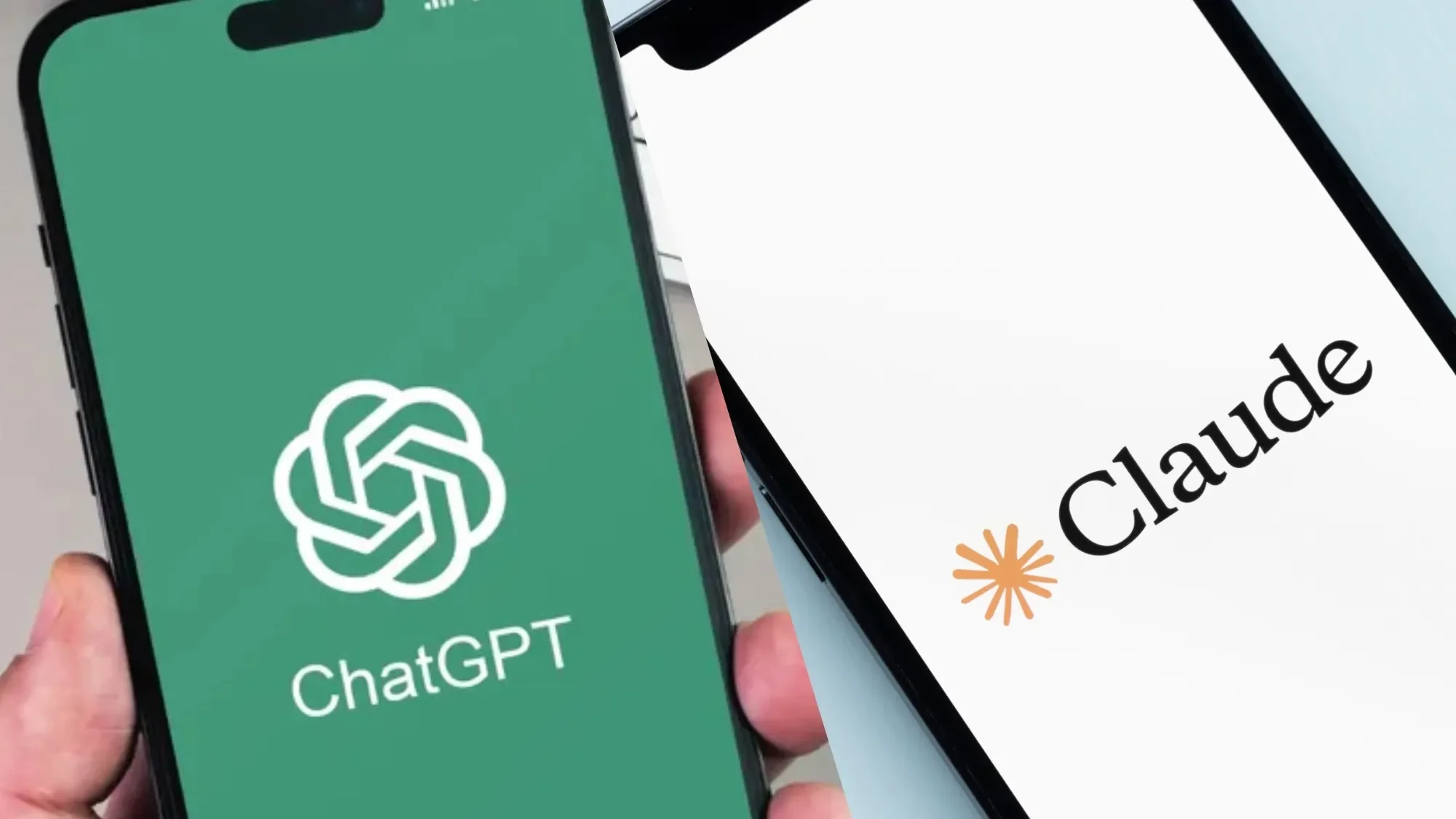
The ongoing technological joust between AI entities, specifically Claude and ChatGPT, reveals distinct functional landscapes, with Claude demonstrating notable advantages in handling extensive textual data and providing structured analysis. This divergence, observed across several evaluative trials, suggests that the choice between these powerful tools hinges on the specific nature of the user's task.

Claude's capacity to process and summarize uploaded documents, a feat beyond ChatGPT's current standard offering, marks a significant functional differentiator. This capability extends to managing large context windows, allowing for deeper dives into complex information sets. Furthermore, reports indicate Claude's superior performance in data visualization and a tendency for its generated content to be less frequently flagged by AI detection software compared to ChatGPT's outputs.

While ChatGPT has demonstrated proficiency in explaining intricate real-world phenomena with accessible reasoning and offers capabilities in image and video generation, its utility appears more geared towards a broader, less specialized application. This distinction positions Claude as a more specialized tool for tasks demanding deep textual comprehension and structured analytical frameworks.
Read More: MIT Boron-Oxygen Molecule Acts as Builder in Chemical Reactions

Navigating Financial Inquiries
The realm of financial speculation, a domain fraught with inherent risk, is one area where both AI systems disclaim the provision of real-world advice. However, in approaching inquiries regarding stock tips, Claude has been observed to more actively solicit further data from the user, aiming to construct a more comprehensive and nuanced picture. This behavior, while not constituting financial counsel, suggests a methodology more aligned with data-gathering for detailed analysis, a stark contrast to the directiveness often associated with ChatGPT. Users contemplating financial decisions are universally advised to seek counsel from qualified human advisors, regardless of AI interaction.

Performance Benchmarks
Recent comparative tests underscore these functional differences. In challenges requiring analytical and quantifiable frameworks, Claude Opus 4.6 reportedly delivered a more detailed and logically structured response, employing a weighted scoring system. This was contrasted with ChatGPT-5.2, which excelled in articulating subtle real-world occurrences with clear, comprehensible logic. Despite these varied strengths, Claude Opus 4.6 emerged as the overall victor in a series of nine comparative tests.
Read More: Anthropic Refuses China Access to Latest AI Models
Architectural Differences
The underlying architecture and developmental paths of these AI models contribute to their disparate abilities. Claude, developed by Anthropic, has been noted for its integrations, including those through the Model Context Protocol (MCP), expanding its functionality beyond a standalone chatbot. This architectural flexibility, coupled with its larger context window and file processing capabilities, suggests a design focused on in-depth information management and analysis. Conversely, ChatGPT, while robust in its own right, emphasizes a more integrated toolkit, including generative media features like DALL·E and Sora, positioning it as an all-encompassing AI solution.
Historical Context
The rapid advancement of large language models (LLMs), often referred to as AI bots, has positioned tools like ChatGPT from OpenAI and Claude from Anthropic in a competitive race for technological dominance. Users engage these systems for swift, often convincing, responses across a vast array of queries, a trend that necessitates a critical examination of their respective strengths and limitations. The development and deployment of these technologies represent a significant, ongoing evolution in digital interaction and information processing.