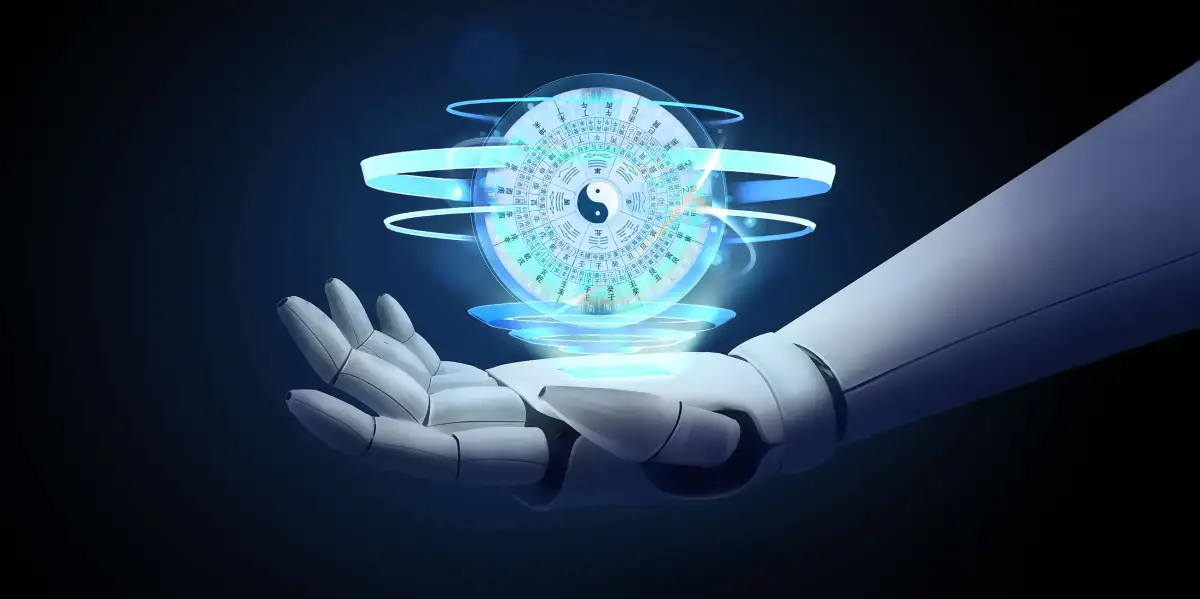
Across China, a growing number of young people are turning to artificial intelligence tools like DeepSeek and ChatGPT to divine their futures, bypassing traditional fortune-tellers in favor of digital oracles. This trend, fueled by economic uncertainty and societal pressures, sees individuals experimenting with AI-driven analyses of ancient practices such as BaZi (Eight Characters), a form of Chinese astrology. Users are actively engaging with these technologies by crafting specific prompts, sharing AI-generated readings on social media, and exploring potential entrepreneurial ventures in the realm of AI-powered spirituality.
The embrace of AI for fortune-telling highlights a generational shift, where convenience, accessibility, and a perceived objectivity, albeit data-driven, resonate more strongly than conventional methods. While some critics dismiss these AI readings as mere "scams" or lacking depth, many users are less concerned with empirical accuracy and more with the novelty and interactive entertainment these tools provide. The digital nature of AI also democratizes access to these ancient practices, often offering readings at little to no cost compared to professional consultations.
Read More: Chrome mimeHandler API lets extensions handle file types
Navigating Uncertainty Through Algorithmic Guidance
Young Chinese are increasingly seeking solace and guidance in generative AI amidst a landscape marked by uncertainty and pressure. Platforms like DeepSeek have transformed into virtual oracles, with users meticulously inputting personal details such as birth dates and gender to generate personalized readings. These readings, often framed through the lens of traditional Chinese philosophy concerning the five elements, are then shared and discussed widely online.
Prompt Engineering for Destiny: Users are not passive recipients of AI output; they are actively shaping the experience through detailed prompts. This "prompt engineering" has become a key aspect of how the youth engage with AI fortune-telling, influencing the nature and depth of the generated insights.
Entrepreneurial Opportunities: The burgeoning interest has not gone unnoticed by the tech sector. Entrepreneurs are already developing new products and services focused on AI-driven BaZi analysis, recognizing a market for digital spiritual guidance.
Beyond Entertainment: A New Spiritual Interface?
While the allure of AI fortune-telling is partly attributed to its novelty and entertainment value, it appears to be tapping into deeper needs for meaning and reassurance. Some users, like a Shanghai medical student, express greater confidence in AI readings than human ones, citing their foundation in "big data." This suggests a perceived objectivity, even if rooted in algorithmic processes, that appeals to a generation navigating complex life decisions.
Read More: Why the New Atheism movement lost public influence by April 2026
The trend is also reshaping the traditional fortune-telling industry. Although some experts argue that AI currently only grasps the "basic, literal meaning" of practices like tarot, the sheer volume and accessibility of AI-generated content are altering the landscape. The intersection of AI and traditional Chinese spirituality is evident, with cultural adaptations of technology offering a modern twist on ancient beliefs.
A Modern Twist on Ancient Practices
The phenomenon of AI fortune-telling in China represents a fascinating cultural adaptation of technology. It taps into the enduring human desire for foresight and understanding, offering a digital interface to age-old wisdom. The practice is gaining traction as users explore its potential for:
Convenience and Affordability: AI fortune-telling offers an accessible alternative to potentially expensive human consultations.
Interactive Engagement: The process allows for a dynamic and personalized exploration of one's potential destiny.
Spiritual Exploration: For many, it serves as a convenient spiritual guide or a novel form of interactive entertainment.
The underlying currents of this trend suggest a generation seeking new frameworks for understanding their place in the world, leveraging the ubiquitous power of AI to decode destiny in the digital age.
Read More: BEREC Asks for Mobile Network API Ideas from Developers