Addressing Housing Gaps and Project Delays
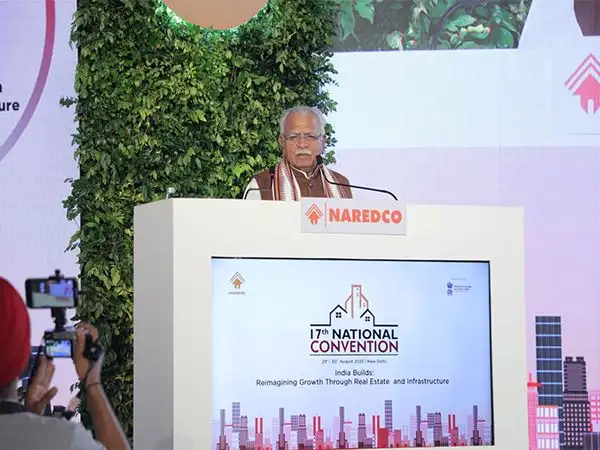
Manohar Lal Khattar, the Union Minister for Housing and Urban Affairs, has stated that the government will actively support proposals to establish charitable institutions that can provide funding for housing projects, particularly in the affordable segment. This initiative stems from the observation that traditional financial institutions, such as banks, have shown reluctance to finance these types of developments. The aim is to bridge the existing funding gap that affects affordable housing, especially for economically weaker sections (EWS) and low-income groups (LIG).

This approach is being considered alongside other measures to boost the real estate sector, including a potential dedicated fund to revive stalled housing projects that were approved before the Real Estate (Regulation and Development) Act (RERA) came into effect. These efforts are part of a broader strategy to stimulate housing activities across the country.
Read More: NYC Rent Freeze 0% for 1 Million Apartments Starting Oct 2026
Context and Background
The discussions around new funding mechanisms for affordable housing and stalled projects have gained momentum recently.
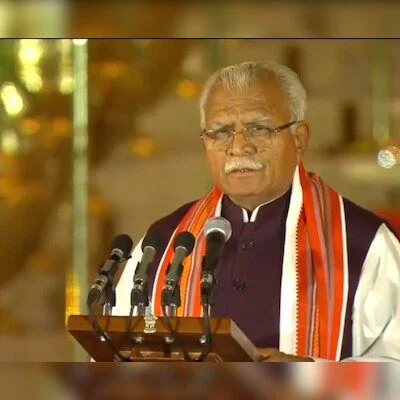
Funding for Affordable Housing: Minister Khattar has highlighted the hesitancy of banks and other financial entities to fund affordable housing units. To counter this, the Ministry of Housing and Urban Affairs will encourage the formation of charitable institutions for this purpose.
Stalled Projects: The real estate industry, through organizations like NAREDCO, has proposed solutions for reviving stalled housing projects. These include increasing the size of existing funds like SWAMIH and exploring the creation of new, dedicated funds.
Land Availability: Concerns regarding land for affordable housing have also been raised. While the Centre has limited direct control as land is a state subject, it plans to persuade states to lower land prices for affordable housing.
Underutilised Land: Kuldip Narayan, Joint Secretary at the Ministry of Housing and Urban Affairs, pointed to the potential of redeveloping underutilised land within major cities. Such land, currently occupied by empty or obsolete buildings, could be identified and utilized for housing projects.
Rental Housing: The ministry is also working on a policy for rental housing, with detailed feasibility studies being conducted to inform future decisions.
New Ministerial Role: Manohar Lal Khattar recently took charge of the Ministries of Power and Housing and Urban Affairs, indicating a significant role in shaping national infrastructure and development policies.
Key Discussions and Proposals
Discussions have taken place with stakeholders in the real estate sector, notably NAREDCO, which has put forth specific suggestions.
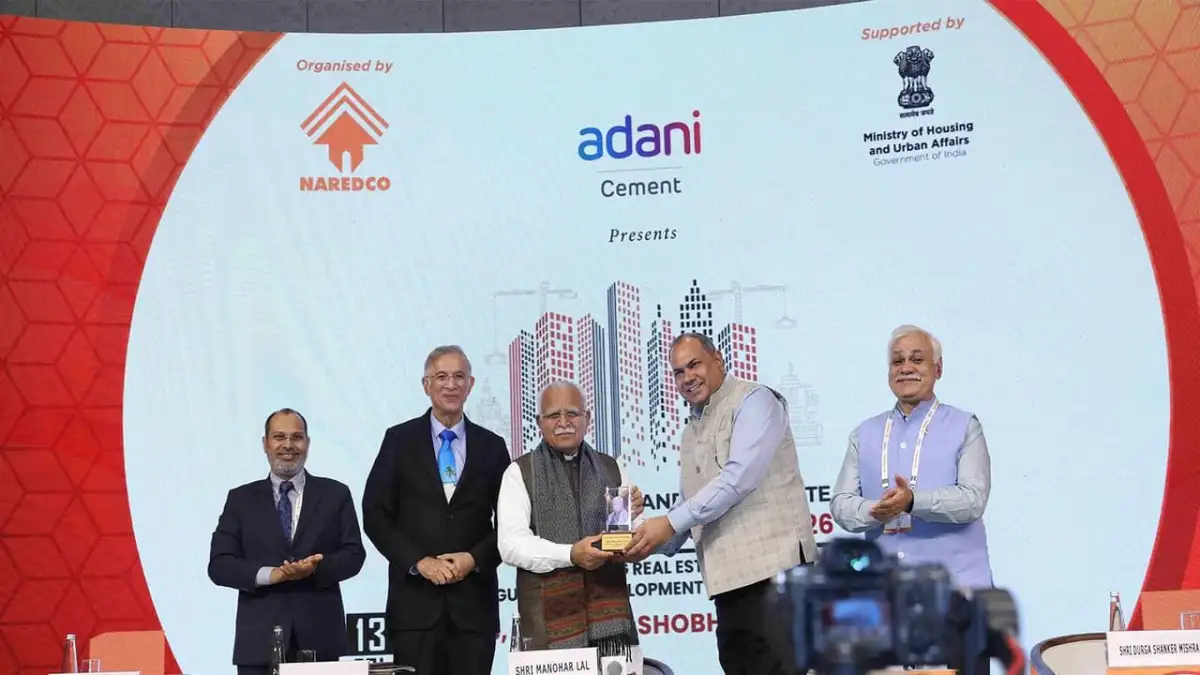
NAREDCO's Proposals:
Increase the size of the SWAMIH fund to support stalled housing projects.
Establish a government-backed fund of approximately ₹2.5 lakh crore to aid in the revival of delayed projects.
Minister's Stance on Land: Minister Khattar has indicated that providing cheaper land exclusively for affordable housing is unlikely. However, the ministry intends to persuade states to reduce land prices for such developments, emphasizing the importance of suitable locations to maintain the sector's credibility.
Revival of Pre-RERA Projects: The government is considering a dedicated fund to help stalled projects approved before RERA, aiming for a balanced outcome for both developers and buyers.
Identifying Opportunities: Underutilised Urban Land
A significant point raised concerns the strategic use of existing urban spaces.
Redevelopment Potential: Joint Secretary Kuldip Narayan highlighted that valuable land parcels within city centers, currently occupied by derelict or unused buildings, could be repurposed for housing.
Identification Method: The use of tools like Google Maps was suggested for identifying such land parcels for development.
Strategic Location: Developing housing in the heart of major cities is seen as a way to optimize land use and potentially address housing needs in prime areas.
The Role of Charitable Institutions
The proposed model of charitable funding for affordable housing aims to overcome specific market challenges.
Addressing Market Gaps: Banks and conventional financial institutions have been reluctant to finance affordable housing, deeming it less profitable or carrying higher risks.
Encouraging Non-Traditional Funding: The government will actively encourage proposals for setting up charitable institutions. These entities could operate with different financial models, potentially focusing on social impact rather than purely commercial returns.
Focus on Affordable Segment: The initiative is specifically designed to support housing in the affordable segment, targeting EWS and LIG groups.
Persuasion and State-Level Action on Land Prices
While the Centre can advocate for policies, land remains primarily under state jurisdiction.
Centre's Role: Minister Khattar has urged NAREDCO members to engage with state-level policymakers to discuss reducing land prices for affordable housing.
State Subject: The Union Minister acknowledged that the Centre has limited authority over land pricing, which is a state prerogative.
Policy Reforms: The ministry plans to initiate additional policy reforms in collaboration with central and state stakeholders to boost housing activities comprehensively.
Best Practices: States that demonstrate success in affordable housing initiatives are expected to serve as models, with a mechanism to replicate their best practices nationwide.
Conclusion and Next Steps
The Ministry of Housing and Urban Affairs is exploring multiple avenues to address challenges in the housing sector, with a particular focus on affordable housing and stalled projects. The introduction of charitable funding mechanisms and the potential creation of a dedicated fund for stalled projects represent significant policy considerations.
Future Actions: The government will encourage proposals for charitable institutions focused on affordable housing. Feasibility studies for rental housing are ongoing.
Collaboration: The Centre will continue to persuade states to lower land prices for affordable housing and work with stakeholders to implement broader policy reforms.
Objective: The overarching goal is to create a more inclusive and robust housing market, ensuring access to affordable homes and resolving the issues plaguing stalled developments.
Sources
newkerala.com: Funding to be considered through charitable institutions for Affordable housing: Manohar Lal Khattar
https://www.newkerala.com/news/a/funding-considered-through-charitable-institutions-affordable-housing-manohar-281.htm
BusinessToday: Centre exploring charitable funding, revival fund to boost affordable housing and stalled projects
https://www.businesstoday.in/personal-finance/real-estate/story/centre-explores-charitable-funding-revival-fund-to-boost-affordable-housing-and-stalled-projects-516158-2026-02-14
geosquare.in: Government Considers Dedicated Fund to Revive Stalled Pre-RERA Housing Projects
https://www.geosquare.in/government-considers-dedicated-fund-to-revive-stalled-pre-rera-housing-projects-36950-news.html
The Tribune: Funding to be considered through charitable institutions for Affordable housing: Manohar Lal Khattar
https://www.tribuneindia.com/news/business/funding-to-be-considered-through-charitable-institutions-for-affordable-housing-manohar-lal-khattar/
aninews.in: Centre to persuade states to lower land prices for affordable housing: Manohar Lal Khattar
https://www.aninews.in/news/business/centre-to-persuade-states-to-lower-land-prices-for-affordable-housing-manohar-lal-khattar20250831083910/
Business Standard: Modi 3.0: Two-time CM Manohar Lal Khattar to balance power with housing
https://www.business-standard.com/india-news/former-haryana-cm-manohar-lal-khattar-gets-power-and-urban-affairs-ministry-1240610009711.html