Convergence Energy Services Limited (CESL), a government subsidiary, has recently issued a new tender for 3,604 electric buses. This move is intended to expand clean public transportation options, particularly targeting cities outside of major metropolitan areas. This procurement falls under two key government initiatives: the PM e-Bus Sewa Scheme and the PM E-DRIVE Scheme.
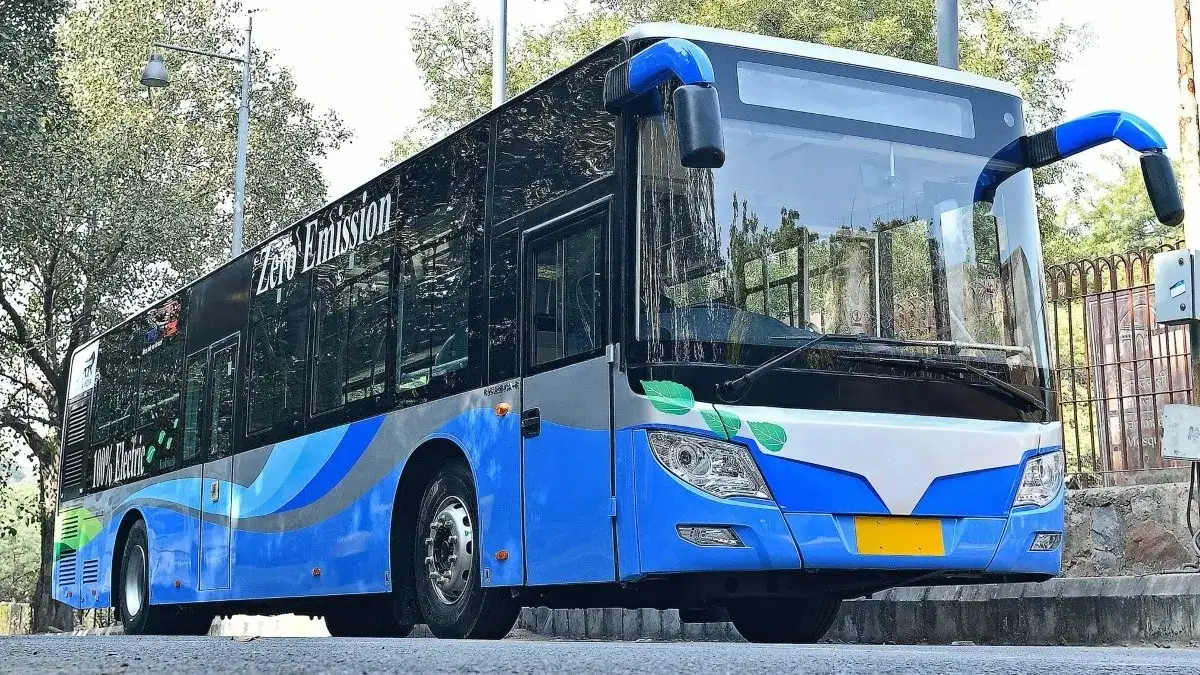
The PM e-Bus Sewa Scheme aims for a total of 10,000 electric buses, focusing on electrifying public transport in Tier II and Tier III cities to decarbonize the transport sector beyond existing metro networks. The PM E-DRIVE Scheme has a larger target of 14,028 buses for widespread deployment in major urban centers, with the objective of significantly reducing vehicular pollution.
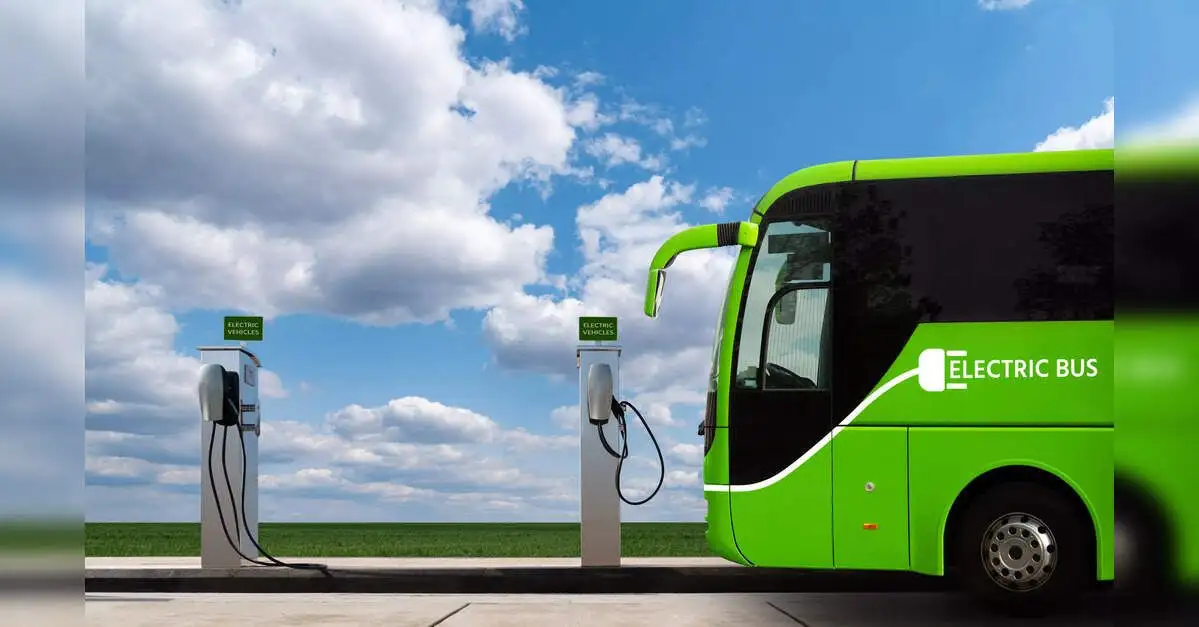
CESL's previous work includes concluding India's largest aggregated e-bus tender, involving 10,900 electric buses under Phase I of the PM E-DRIVE scheme. This earlier procurement, along with others, has demonstrated CESL's capacity to achieve competitive rates, making electric buses comparable in cost to diesel and CNG alternatives. The company emphasizes its innovative aggregation model, which standardizes procurement, reduces operator risk, and speeds up adoption timelines, moving towards a 'Mobility-as-a-Service' framework.
Read More: Elizabeth Line Helps Londoners During Tube Strike on July 6
Geographical and Programmatic Allocations
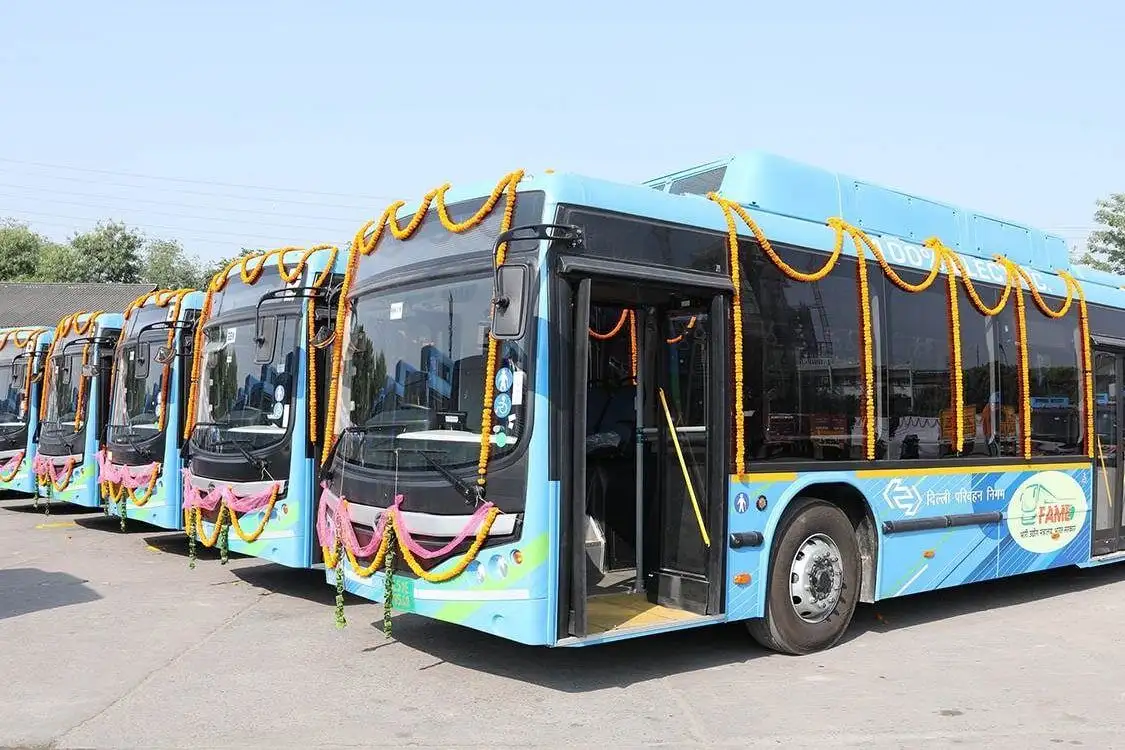
Under the new 3,604-bus tender specifically for the PM-eBus Sewa Scheme, Andhra Pradesh is slated to receive 300 buses for Tirupati, while Telangana will get 151 buses, split between Warangal (100) and Nizamabad (51). These allocations are part of a broader rollout where Andhra Pradesh, in total, has been assigned 750 electric buses, including 150 for Visakhapatnam.
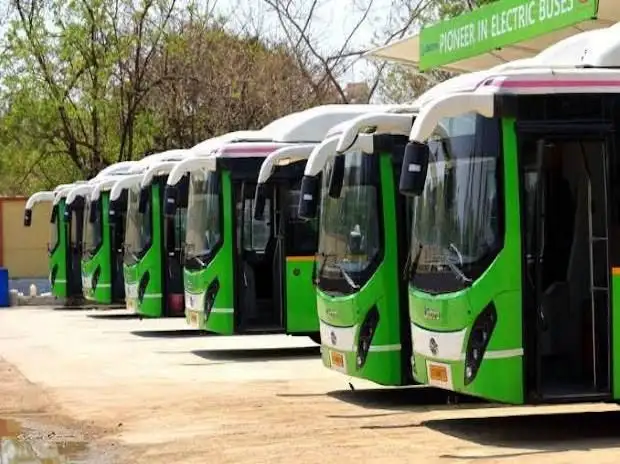
Earlier tenders have already seen significant allocations for major cities. Under the PM E-DRIVE scheme, tenders have been issued for 13,800 of the targeted 14,028 buses. This includes large numbers for Bengaluru (4,500 buses), Delhi (2,800 buses), Hyderabad (2,200 buses), and Mumbai (1,500 buses), among others. The procured buses will include both air-conditioned and non-air-conditioned variants, and will be available in standard floor, low floor, and Bus Rapid Transit (BRT) models to suit diverse urban needs.
Background and Broader Context
CESL, a subsidiary of Energy Efficiency Services Limited (EESL), which itself is a Government of India enterprise under the Ministry of Power, functions as the designated agency for aggregating and procuring electric buses nationwide. The company's procurement efforts are geared towards accelerating India's electric mobility mission, aiming to reduce the nation's carbon footprint, modernize public transport, and create a more sustainable and cost-effective mobility ecosystem. Previous tenders, such as one for 4,675 e-buses worth approximately Rs 5,000 crore in January 2023, and another for 6,465 e-buses, indicate a consistent and scaling effort in this direction. CESL's approach is noted for fostering competitive bidding, leading to cost efficiencies and standardization in the electric bus market.
Read More: India IVF Costs And Social Barriers Limit Access In April 2026
Despite the ambition, reports have highlighted reluctance from some Indian banks to lend to electric bus manufacturers, potentially impacting their ability to participate in government tenders. Nonetheless, CESL's sustained tendering activity points to a strong push for electric public transport infrastructure across the country.
Read More: London Underground Strike Causes Delays for Commuters