The MotoGP Grand Prix of Catalunya was brought to a standstill on Sunday, not just by Fabio Di Giannantonio's hard-earned victory, but by a series of high-speed incidents that sent two riders to the hospital. The dramatic events cast a shadow over the day's racing, forcing multiple red flags and prompting concern throughout the paddock.
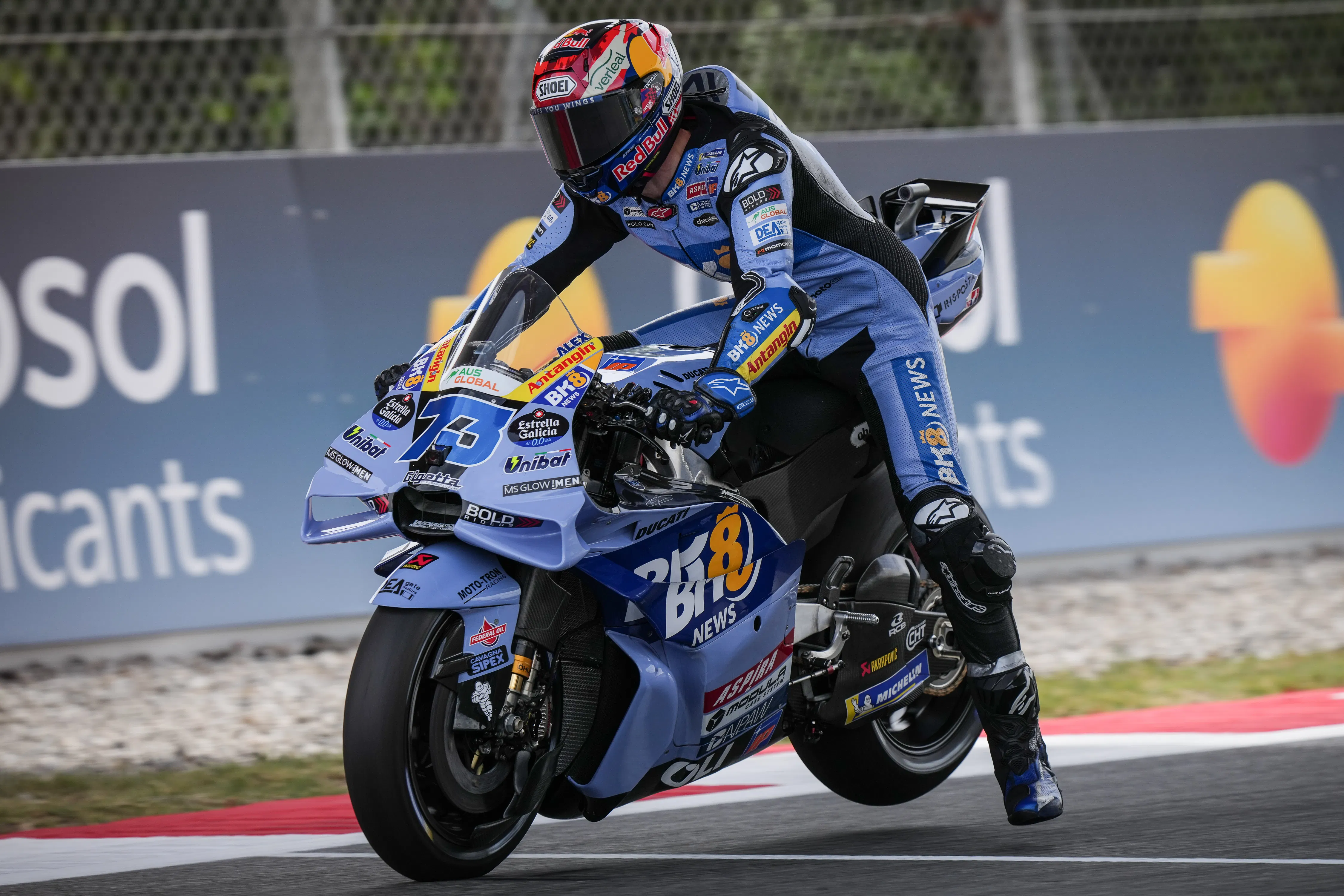
Álex Márquez and Johann Zarco were both hospitalized following separate, severe crashes during the Catalunya Grand Prix. Márquez sustained a broken right clavicle and fractures, including a C7 vertebrae fracture in his lower neck, requiring surgery. Zarco underwent tests for an injured left leg after becoming entangled with his machine. Both riders were conscious following their respective incidents.
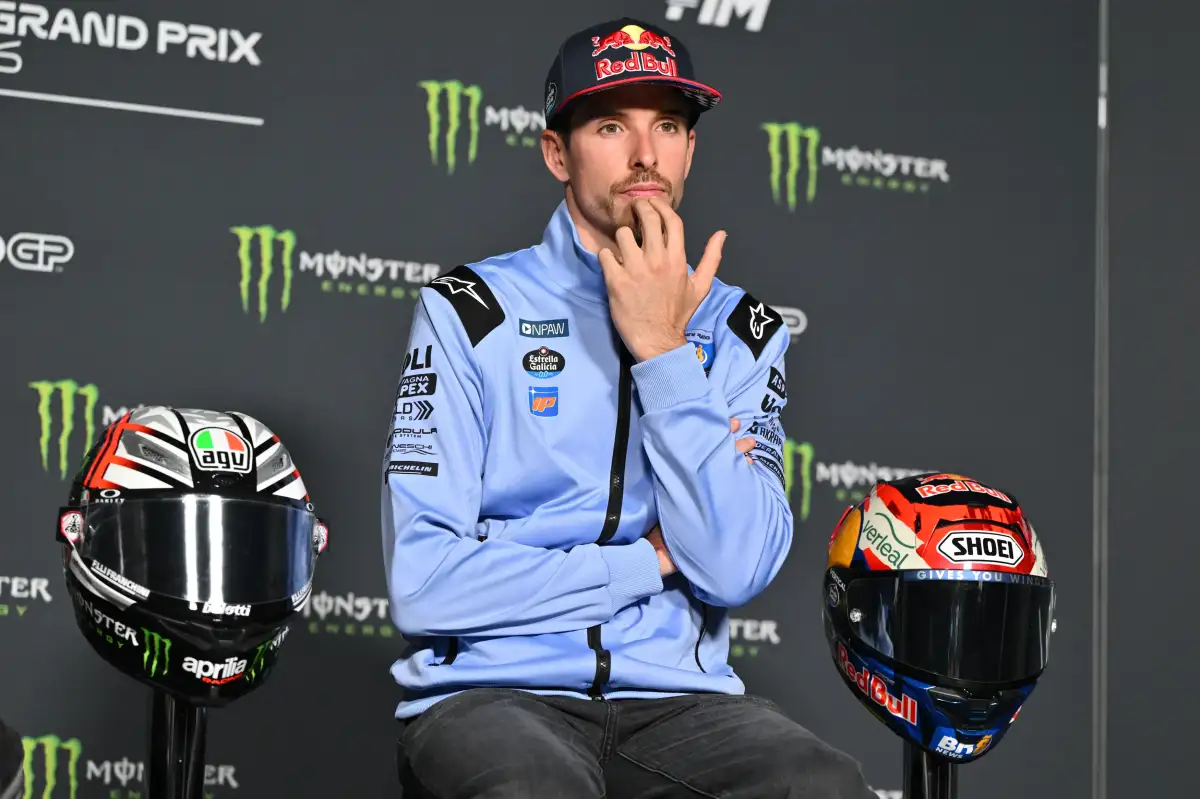
The most significant crash involved Álex Márquez, who collided at high speed with the rear of Pedro Acosta's bike on lap 12. Acosta, who was leading at the time, had reportedly experienced a sudden loss of power on the main straight. Márquez's motorcycle flipped multiple times before he was thrown to the ground. His bike's disintegration sent parts across the track, posing a significant hazard to other competitors.
Read More: FIFA World Cup 2026 Revenue Reaches $15 Billion With New Ticket Prices
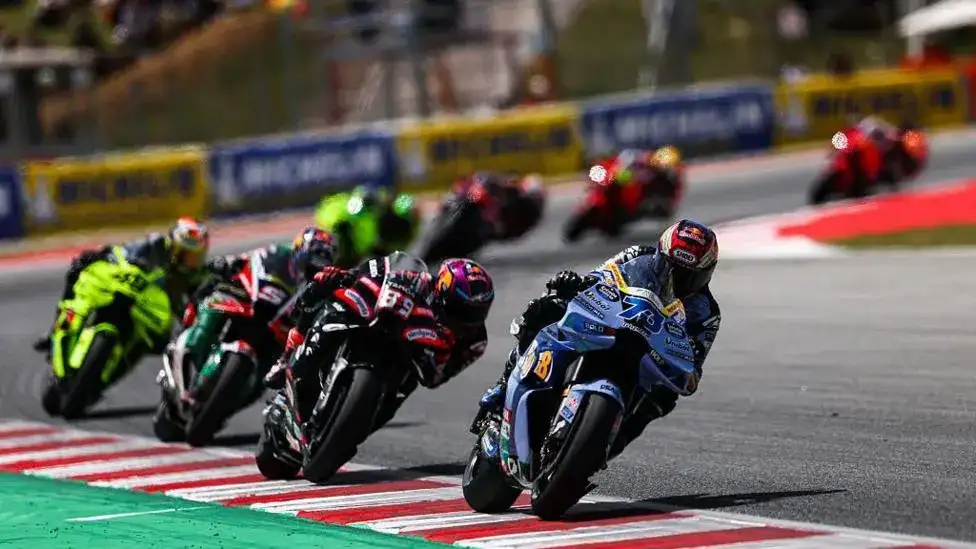
This incident, alongside another crash involving Fabio Di Giannantonio at the first corner of the same lap, prompted the race to be red-flagged. The race was subsequently stopped a second time due to further incidents.
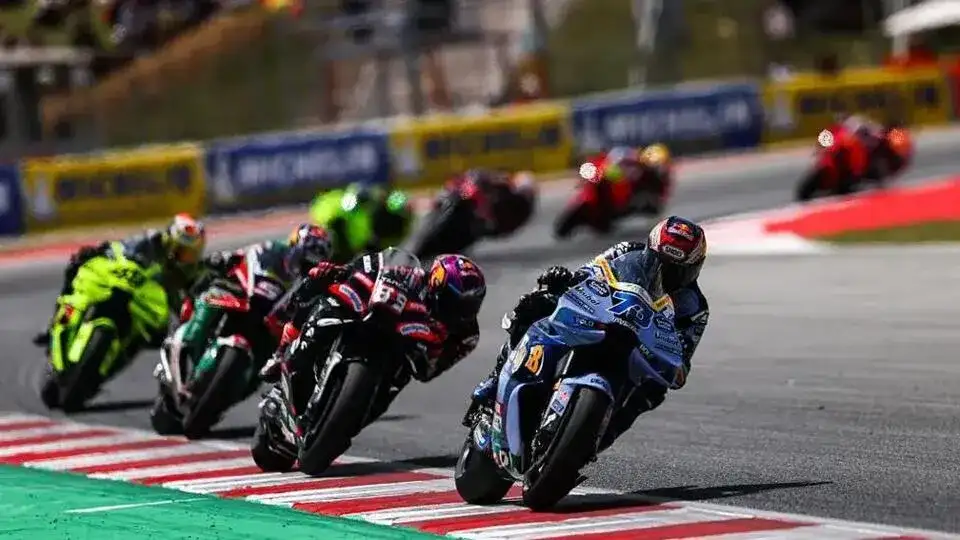
Despite the chaos, Fabio Di Giannantonio of Gresini Racing navigated the disrupted event to claim his first premier-class victory. His win, secured on the third restart, saw him finish ahead of Joan Mir and Fermin Aldeguer. The victory marks a significant milestone for the Italian rider, showcasing his ability to perform under intense pressure.
Read More: Christian Horner to Attend 2026 British Grand Prix
Riders like championship leader Marco Bezzecchi also voiced concerns over the safety implications of the crashes, highlighting the inherent dangers of top-tier motorcycle racing.