Shorter Strands, Sharper Lines: A Pragmatic Shift?
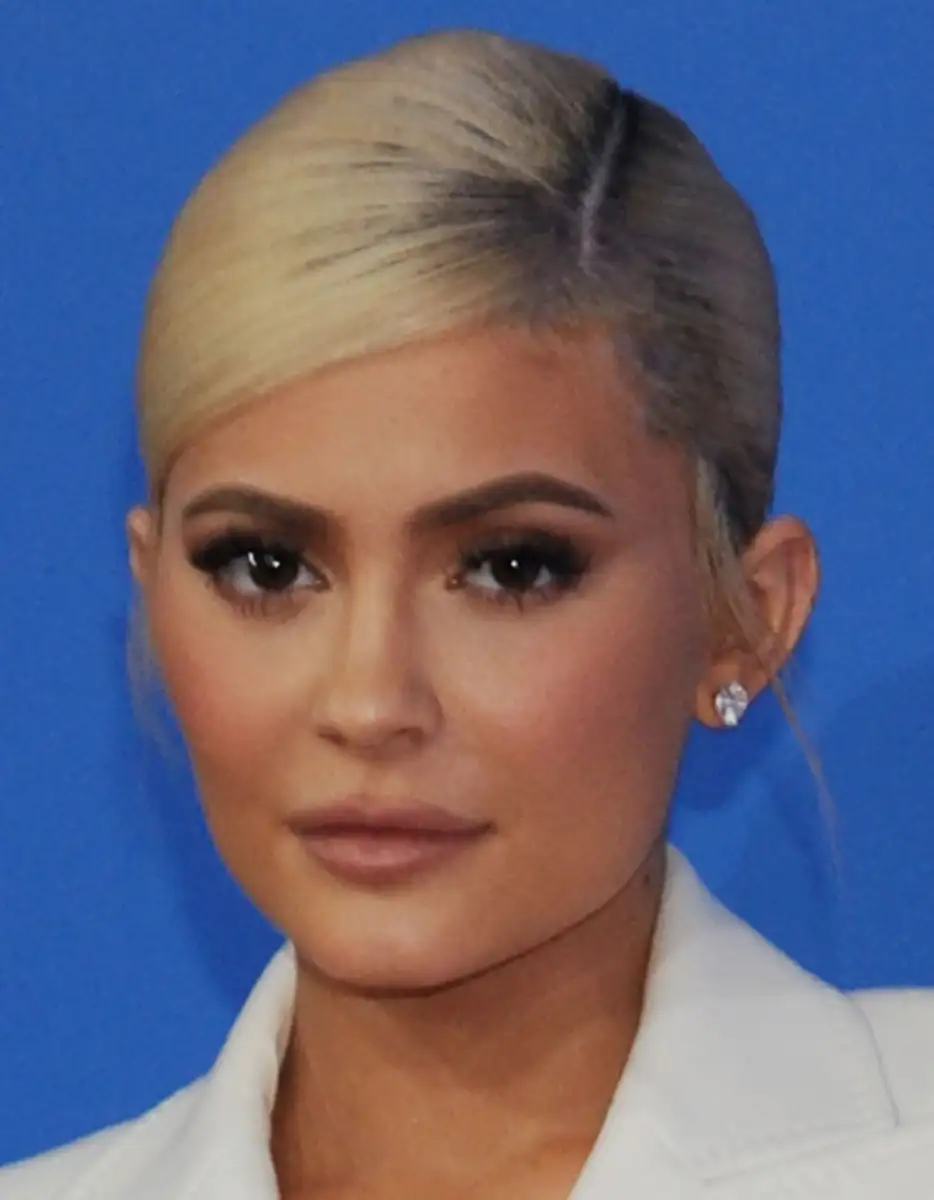
"Most women look better with shorter hair as they age." This stark assertion, attributed to 'Zoe,' signals a prevailing notion within the discourse surrounding mature hairstyles. The implication is that longer, looser styles, particularly those characterized as "undone" or "beach waves," falter in their ability to flatter beyond a certain chronological threshold. Specifically, the suggestion is that such styles are "not really work[ing] in your 60s." Conversely, as women approach their 40s, a move towards more defined cuts, such as a "grown-up bob," is advocated, especially when coupled with a more pronounced jawline, which the article implies is a feature more readily showcased by a "strong cut."
The rationale presented posits that the "youthfulness" of one's 30s permits a broader range of stylistic choices, choices that may become less forgiving with advancing years. This framing suggests a subtle yet persistent pressure towards a particular aesthetic, one that prioritizes structure and definition over a more relaxed, fluid presentation as one ages. The very idea of an "anti-ageing haircut" itself warrants scrutiny, operating within a cultural framework that often conflates chronological age with an inherent decline in aesthetic appeal.
Pixie Cuts, Bobs, and the Specter of Thinning Hair
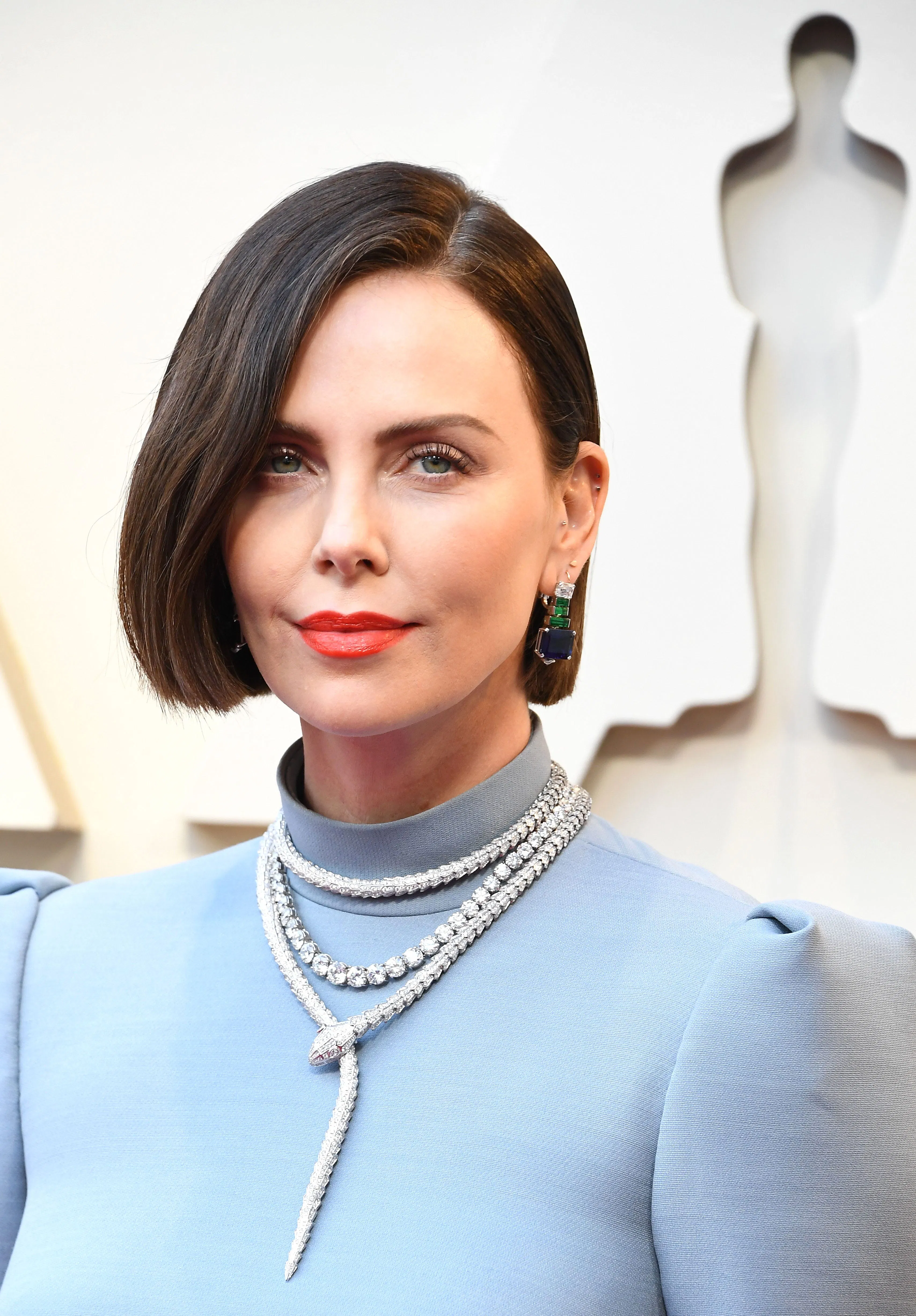
The "bixie," a hybrid of the pixie and bob, emerges as a potentially viable option, particularly for those with naturally curly hair. This cut is presented as offering "all the benefits of a classic bob, but with a little edge," while also being "easy to maintain and will keep the hair healthy as you age." This positions the bixie as a practical, even progressive, choice that addresses concerns about hair thinning and aging hair.
Read More: Gucci Westman brand strategy for 2026 skin-first makeup routines
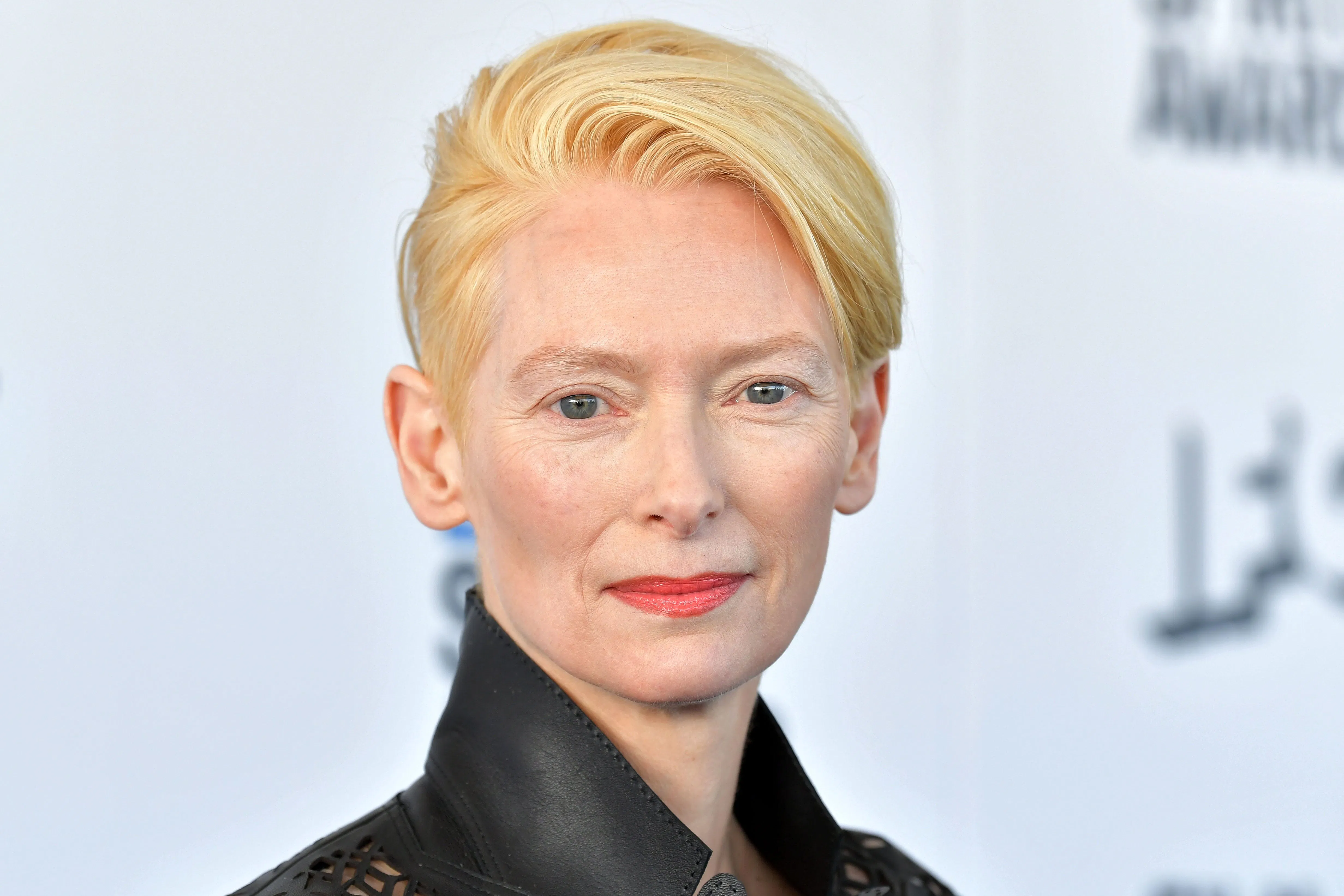
The classic bob, when "done correctly," is also cited as "universally flattering at any age." Its enduring appeal, alongside styles like ponytails and pixie cuts, suggests a cyclical nature to follicular fashion, where certain forms maintain relevance across demographics. Olivia Colman's "chic, textured pixie" is offered as evidence of this timeless quality.

Layers, Bangs, and the Art of Camouflage
For those inclined towards slightly longer styles, the "layered bob with side-swept bangs" is highlighted as a strategic choice. The soft layers are said to "create movement," while the bangs are framed as a means to "camouflage forehead lines." Similarly, a "voluminous mid-length cut with layers" aims to impart body without the perceived detriments of thinning ends.
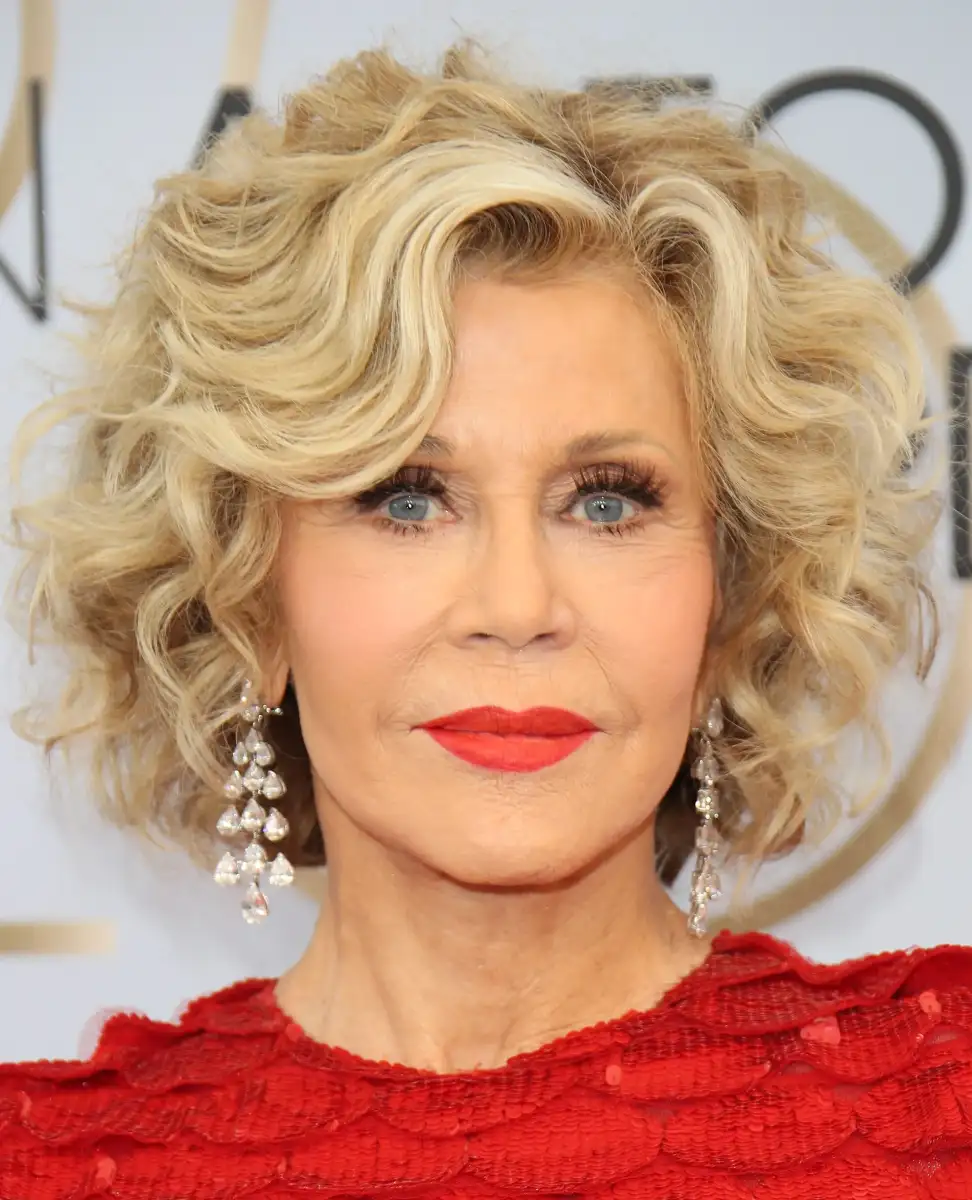
The "chin-length blunt cut with side-swept bangs" is promoted for its ability to define the jawline, effectively "counteract[ing] sagging." This particular style emphasizes precision, with "curtain bangs blend[ing] seamlessly into layers" to create a softening effect around the face. Face-framing layers, in general, are presented as a technique to "soften features and create movement."
Read More: Princess Catherine Wears £750 Roland Mouret Dress to Royal Wedding Today
Color and the Continuum of Choice
While stylistic choices appear to be subject to age-based prescriptions, the realm of hair color seems to offer a more liberated space. One perspective suggests that with a "short crop," one can "get away with virtually anything" in terms of color, especially for those embracing grey hair, which can present a "strong and modern" look. This implies that the visual impact of color may be less tied to age than the cut itself.
Background Musings: The Cultural Scaffolding of "Anti-Aging"
The persistent discourse around "anti-ageing" haircuts reveals a societal preoccupation with deferring or denying the visible markers of time. These articles, while ostensibly offering practical advice, are embedded within a cultural context that often valorizes youth and frames aging as a process to be combatted. The emphasis on specific cuts and styles—the bob, the pixie, layered looks, strategic bangs—can be seen not just as aesthetic recommendations, but as prescriptions for conforming to a particular, often narrowly defined, ideal of mature beauty. The very notion of a haircut being "anti-ageing" suggests a resistance to natural processes, a desire to aesthetically erase or obscure the passage of years. This prompts questions about the underlying anxieties and expectations that fuel such trends, and whether the pursuit of an "anti-ageing" look ultimately serves to reinforce restrictive beauty standards rather than empower individual expression.
Read More: Penelope Cruz Debuts New "Weekend Bob" Hairstyle for Film Promotions


:max_bytes(150000):strip_icc()/GettyImages-2278551725-50710cd65d104f41880e3e15f0caa8fe.jpg)