Canada has voiced significant worry over the escalating violence in Lebanon, a sentiment echoed by international bodies like the UN. This escalation, seemingly triggered by an exchange of fire between Iran-backed Hezbollah and Israel following the killing of Iran's supreme leader, has plunged Lebanon into a state of turmoil after a period of fragile stability. The situation has prompted an emergency meeting of the UN Security Council and a broader international discourse on upholding humanitarian law.
The core of Canada's concern lies in the rapid descent into conflict, disrupting what a UN envoy described as "fragile but real momentum" for reform and reconstruction in Lebanon. The country, which had seen advancements in state authority, promised reforms, and preparations for legislative elections, is now "dragged back into a state of turmoil and violence." This abrupt shift has dire consequences, particularly for vulnerable populations.
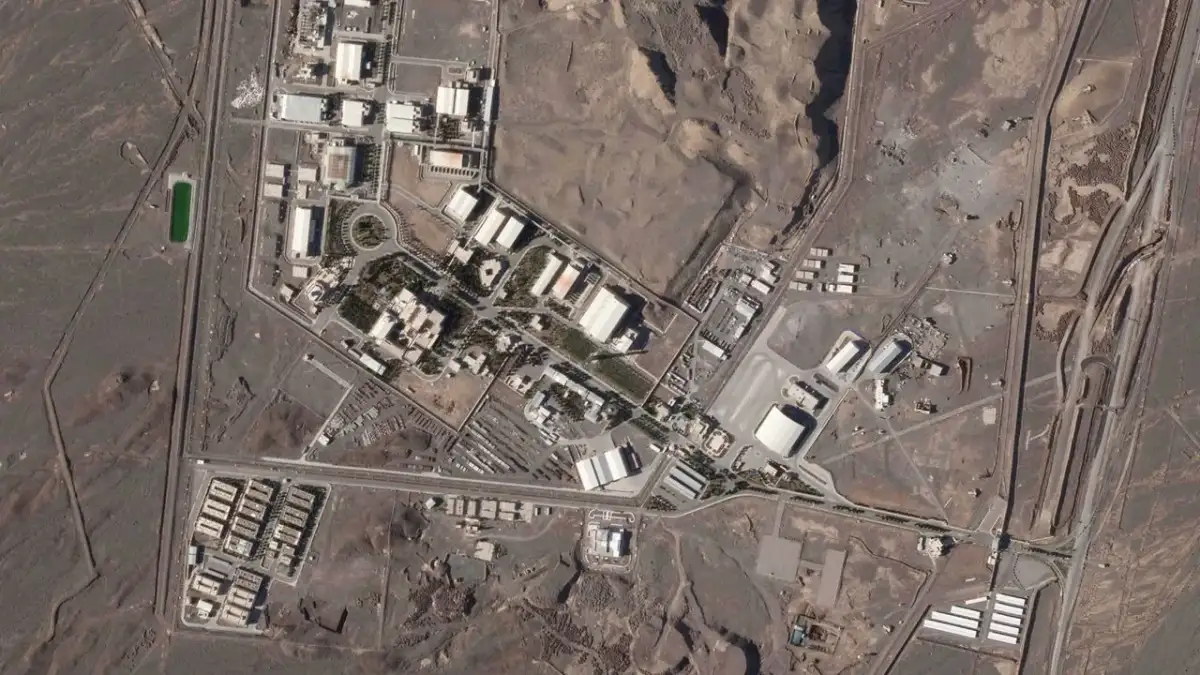
Read More: Iran Zagros Mountain Nuclear Site Construction Update April 2026

HUMANITARIAN IMPACT AND INTERNATIONAL RESPONSE
Children are bearing a disproportionate burden amidst the intensifying conflict. UNICEF has intensified its emergency response, aiming to provide critical assistance, including cash aid for thousands of vulnerable families with children. The organization underscores the imperative for all parties to adhere to international humanitarian law, prioritizing the protection of civilians, especially children, and ensuring unhindered access for humanitarian aid.
The Humanitarian Coalition, comprising 12 leading Canadian aid organizations, has launched an urgent appeal for Lebanon, with the Canadian government pledging to match donations. This initiative highlights the widespread need for basic necessities, as displaced individuals have fled their homes without essential items.

CANADA'S STANCE AND CITIZENRY
Canada is actively urging its citizens and permanent residents in Lebanon to utilize available commercial travel options to depart the country, emphasizing that the government cannot guarantee future evacuations for those who choose to remain. Over 1,200 individuals have already taken advantage of these departure routes.
Read More: Jessica Mulroney divorce from Ben Mulroney after Meghan Markle fallout
The conflict has particular resonance within Canada due to its significant diaspora. The government notes that between 200,000 and 400,000 individuals of Lebanese descent reside in Canada. For some Canadians, like Christy Mady, who remains in Lebanon despite being able to hear explosions from her home, the situation is a source of deep personal anxiety, as family members still reside in the affected region. Another Canadian, a professor at Notre Dame University-Louaize, expressed "great anxiety and uncertainty" from Victoria.
BACKGROUND TO THE ESCALATION
Lebanon was drawn into the current wave of hostilities when Iran-backed Hezbollah initiated attacks on Israel, a move reportedly in retaliation for the killing of Iran’s supreme leader. Israel, in turn, is demanding the full disarmament of Hezbollah. This regional dynamic has destabilized a country that, just a week prior to the current escalation, was seen as making tangible progress on multiple fronts, including securing a significant World Bank loan for reconstruction and fostering warmer diplomatic ties with Syria. The UN Security Council's emergency meeting underscores the gravity of the unfolding crisis along the Blue Line.
Read More: 40 Die in Quetta to Peshawar Bus Crash in Balochistan on April 3 2026