Capital Flight and Contrasting Visions for Canada's Economy
Canada's federal election in April 2025 has seen major political parties present distinct economic strategies, aiming to address concerns about capital flight and national prosperity. At the forefront are the Conservative and Liberal parties, whose platforms offer differing approaches to taxation, government spending, and the development of key economic sectors. The stakes are high, as these plans propose to influence the nation's Gross Domestic Product (GDP) per capita, energy output, and the broader investment landscape amidst economic uncertainty.
Election Landscape and Party Agendas
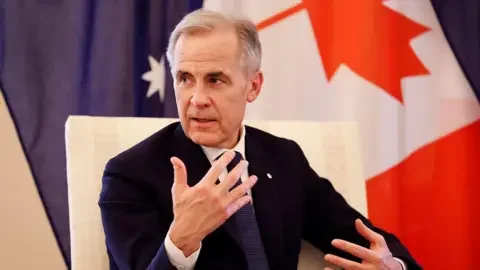
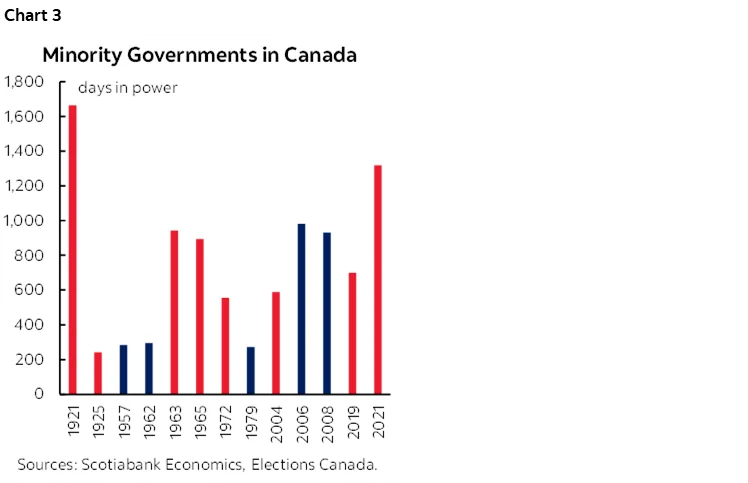
The election campaign culminated in a minority Liberal government led by Mark Carney, following a snap election called on March 23, 2025. This outcome introduces an element of uncertainty regarding the implementation of party priorities, as coalition-building and compromise will likely be necessary. The Conservative Party, under Pierre Poilievre, has advocated for significant tax cuts and deregulation, betting on these measures to stimulate economic growth and offset potential revenue losses. The Liberal plan, while less detailed in the provided reports regarding specific fiscal measures, indicates a focus on improving Canada's investment climate, particularly within natural resource sectors.
Read More: South Australia Election 2024: Labor Wins, One Nation Surges Past Liberals
Conservative Approach: Emphasis on tax cuts, deregulation, and reduced government deficits.
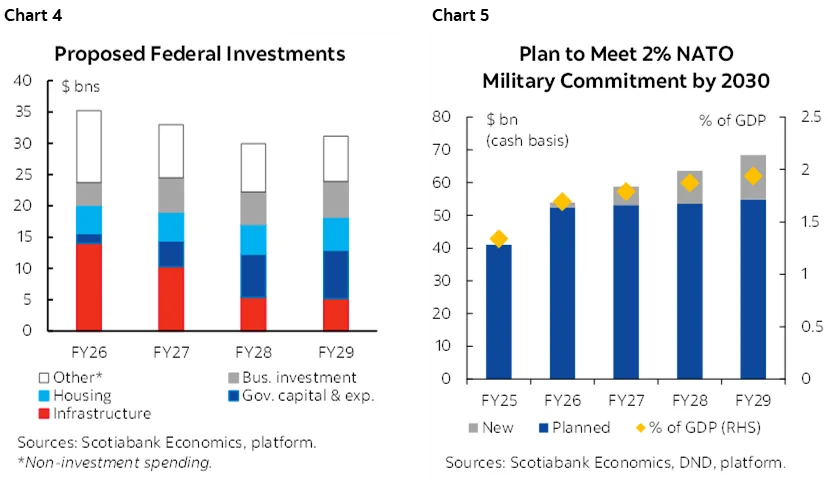
Liberal Approach: Focus on improving investment landscape, especially in natural resources; forming a minority government.
Bloc Québécois: Platform centers on benefits for Quebec.
Core Economic Proposals
The Conservative economic plan outlines a strategy of fiscal conservatism, proposing smaller deficits than the incumbent Liberals. This approach is underpinned by the assumption that tax cuts and deregulation will lead to revenue gains, a critical component for balancing their fiscal projections. For instance, the platform includes substantial tax cuts, with the expectation that this will boost the economy enough to partially offset lost revenue.
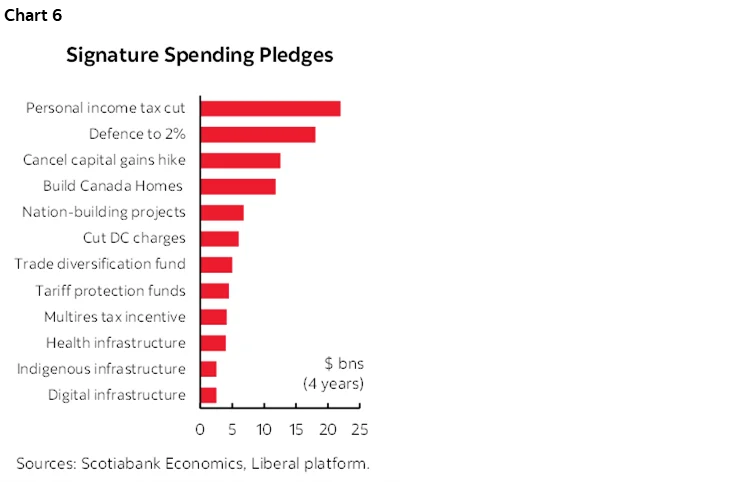
Conversely, the Liberal approach, as indicated by their platform, aims to enhance Canada's investment attractiveness. This includes a focus on natural resource sectors, though the specifics of how federal investments might impact private and other governmental investments remain a point of consideration.
A notable point of divergence is the carbon tax. The Conservative Party has pledged to eliminate both the industrial and consumer carbon taxes. The Liberal Party, under Mark Carney, had previously announced the cancellation of the consumer carbon tax effective April 1, 2025, but not the industrial carbon tax.
Read More: Politicians Who Switch Parties in Canada Face Low Re-election Chances
| Policy Area | Conservative Proposal | Liberal Proposal (as indicated) |
|---|---|---|
| Taxation | Substantial tax cuts, elimination of industrial & consumer carbon tax | Elimination of consumer carbon tax (industrial remains) |
| Fiscal Policy | Smaller deficits, fiscal responsibility | Not explicitly detailed regarding deficit targets; focus on investment |
| Economic Growth | Driven by tax cuts and deregulation, especially in energy | Improve investment landscape, focus on natural resources |
| Government Role | Boost private sector | Government as an agent of change |
Potential Economic Impacts
Analyses suggest the Conservative plan is likely to lead to increased energy output and higher GDP per capita. However, this projection is also associated with higher carbon emissions compared to the Liberal plan. The Conservative fiscal plan incorporates greater spending cuts to fund tax reductions and maintain smaller deficits.
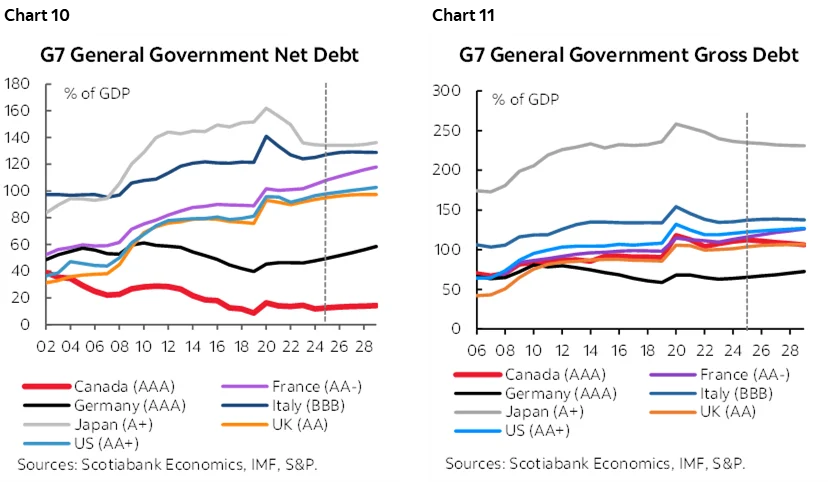
The Liberal approach, while aiming to bolster the investment environment, faces the challenge of motivating businesses to invest significantly amidst perceived uncertainty. There is also a concern that federal investments could potentially "crowd out" private or other governmental investments.
Expert Perspectives on Fiscal Responsibility
Ian Lee, an associate professor at Carleton University’s Sprott School of Business, observes that the Conservative platform is designed to boost the private sector, contrasting with the Liberal emphasis on government-led change. He noted the Liberal administration's perceived lack of fiscal responsibility. Mark Carney, upon calling the election, stated, "We are in the worst crisis of our lives," underscoring the economic gravity perceived by the Liberal leadership.
Read More: Tamil Nadu Election: DMK offers 5 seats to CPI(M) causing alliance worry
Conclusion and Next Steps
The 2025 Canadian federal election has presented voters with two fundamentally different economic blueprints. The Conservative plan prioritizes fiscal restraint and private sector stimulation through tax cuts and deregulation, with projected increases in energy output and GDP per capita, albeit with potential environmental trade-offs. The Liberal plan aims to enhance the investment climate, particularly in natural resources, while navigating the complexities of a minority government. The long-term effects of these diverging strategies on Canada's economic trajectory, capital flow, and environmental targets will be a critical area for future observation. The success of the Liberal agenda will be contingent on their ability to foster business confidence and manage investments effectively within a minority Parliament.
Read More: Canada Alone in G7 Without Oil Reserve as Global Shortages Hit
Sources
The Toronto Star: Opinion piece discussing the likely outcomes of the Conservative economic plan.🔗 https://www.thestar.com/opinion/contributors/conservative-economic-plan-most-likely-to-lead-to-progress/article5bf01c7b-1da1-49f7-8ec7-574b0b3e1583.html
Scotiabank: Analysis of the federal election results and the formation of the Liberal minority government.🔗 https://www.scotiabank.com/ca/en/about/economics/economics-publications/post.other-publications.fiscal-policy.fiscal-pulse.federal.federal-budget-analysis-.federal-election-results—april-29—2025-.html
Financial Post: Reporting on the Conservative Party's pledges for tax cuts and deficit reduction.🔗 https://financialpost.com/federalelection/canadas-conservatives-pledge-to-cut-taxes-shrink-deficits
Investment Executive: Overview of tax pledges made by parties during the 2025 election.🔗 https://www.investmentexecutive.com/news/industry-news/election-2025-tax-pledges-so-far/