Los Angeles, CA - Gas prices in California have climbed, with averages touching $5.29 per gallon, a sharp increase directly linked to the escalating conflict in the Middle East and its ripple effects on global oil markets. This price hike is compounded by existing vulnerabilities within the state's own energy infrastructure.
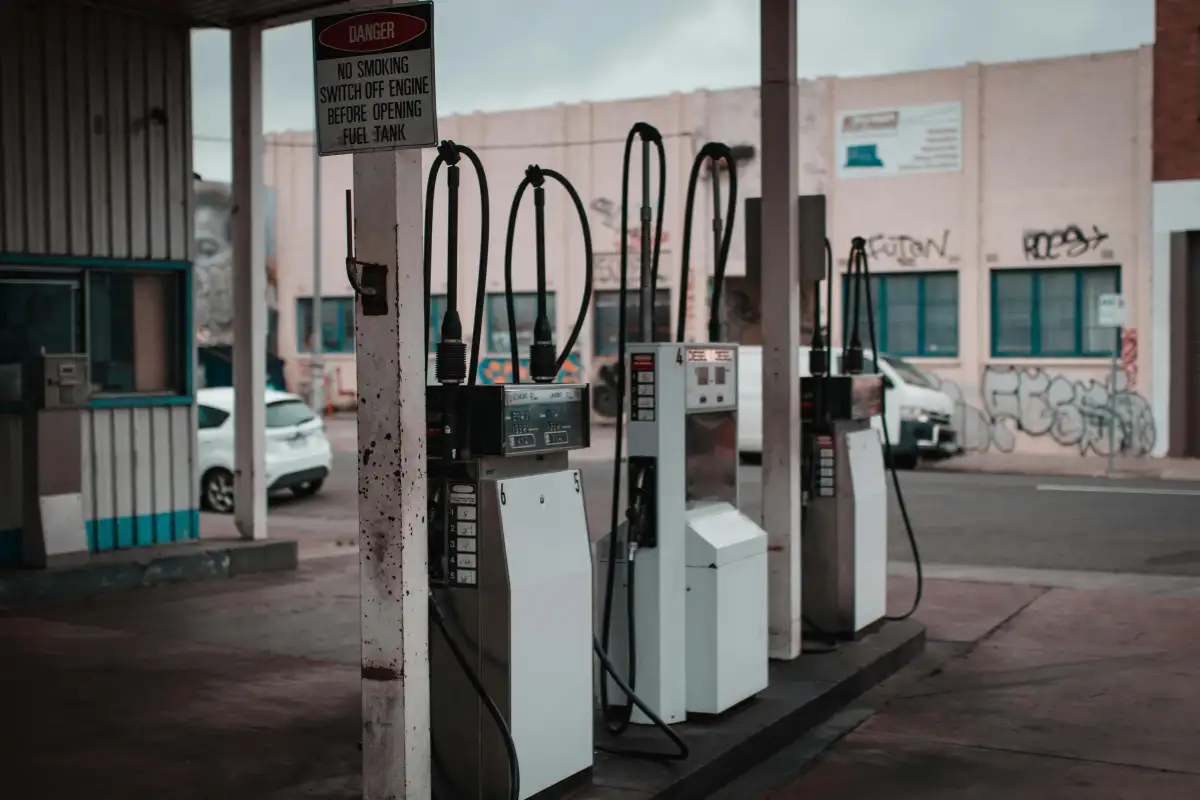
The confluence of a geopolitical crisis, marked by U.S. and Israeli attacks on Iran and subsequent threats to energy infrastructure, and internal refinery issues, including the seasonal switch to more expensive summer-blend gasoline, are cited as primary drivers for the sustained price volatility. Analysts anticipate these elevated prices could persist, particularly if the conflict continues unabated.

Global Tensions Drive Oil Spikes
The ongoing military engagements involving Iran, described as a significant oil producer, have disrupted established supply chains. Reports indicate damage to key oil and gas facilities, impacting output from major producers. Oil, traded on international markets, has seen its price surge, a phenomenon that influences even domestically produced crude. The disruption of shipping routes, specifically mentioning concerns around the Strait of Hormuz, further amplifies fears of continued supply instability.
Read More: Solaris Energy SEI Stock Price Forecast Reaches $91.98 by July 2027

"The conflict's escalation, including strikes on Iranian oil depots, has amplified fears of tit-for-tat attacks on energy infrastructure."
US officials have stated intentions to ensure energy market stability, with some asserting that the price increases may be short-term. However, predictions from financial institutions suggest that elevated gas prices could last through the summer due to increased seasonal demand.

California's Unique Vulnerabilities
California's specific market conditions appear to exacerbate the impact of global price fluctuations. The state is noted for its limited refining capacity and a reliance on imported crude oil and refined products. This makes it particularly susceptible to global supply shocks.
Senator Suzette Valladares remarked, "Iran didn't close California refineries."
This statement highlights a distinction between external geopolitical pressures and internal operational factors. The transition to 'summer-blend' gasoline, a required seasonal change, is also contributing to the upward pressure on prices, adding a potential minimum of 15 cents per gallon.
Economic Ramifications
The rise in gasoline costs places a significant financial strain on consumers, especially lower-income households who allocate a larger portion of their earnings to essential expenses like fuel. Economists warn of potential reductions in savings, increased reliance on credit, and a rise in delinquency rates among vulnerable populations. While some predict inflation to exceed 3%, others suggest that consumer spending might be buoyed by higher-income groups, potentially mitigating the broader economic impact.
Read More: University of La Verne 2026 admissions and rankings update
Background: A Pattern of Higher Costs
Californians have historically paid more for gasoline than residents of other states. This is partly attributed to the state's declining domestic crude oil production, necessitating greater reliance on external sources. Discussions around gas price increases have also pointed to state policies as a contributing factor.