As of today, May 24, 2026, the district of Bundibugyo in western Uganda finds itself caught in a persistent semantic trap. Residents and local officials report a growing dissatisfaction with the association between their mountainous, cocoa-producing region and a rare, virulent strain of the Ebola virus that shares its name.
The naming convention, rooted in scientific taxonomy, has effectively tethered an entire agricultural community to a global health crisis.
Current Epidemiological Status
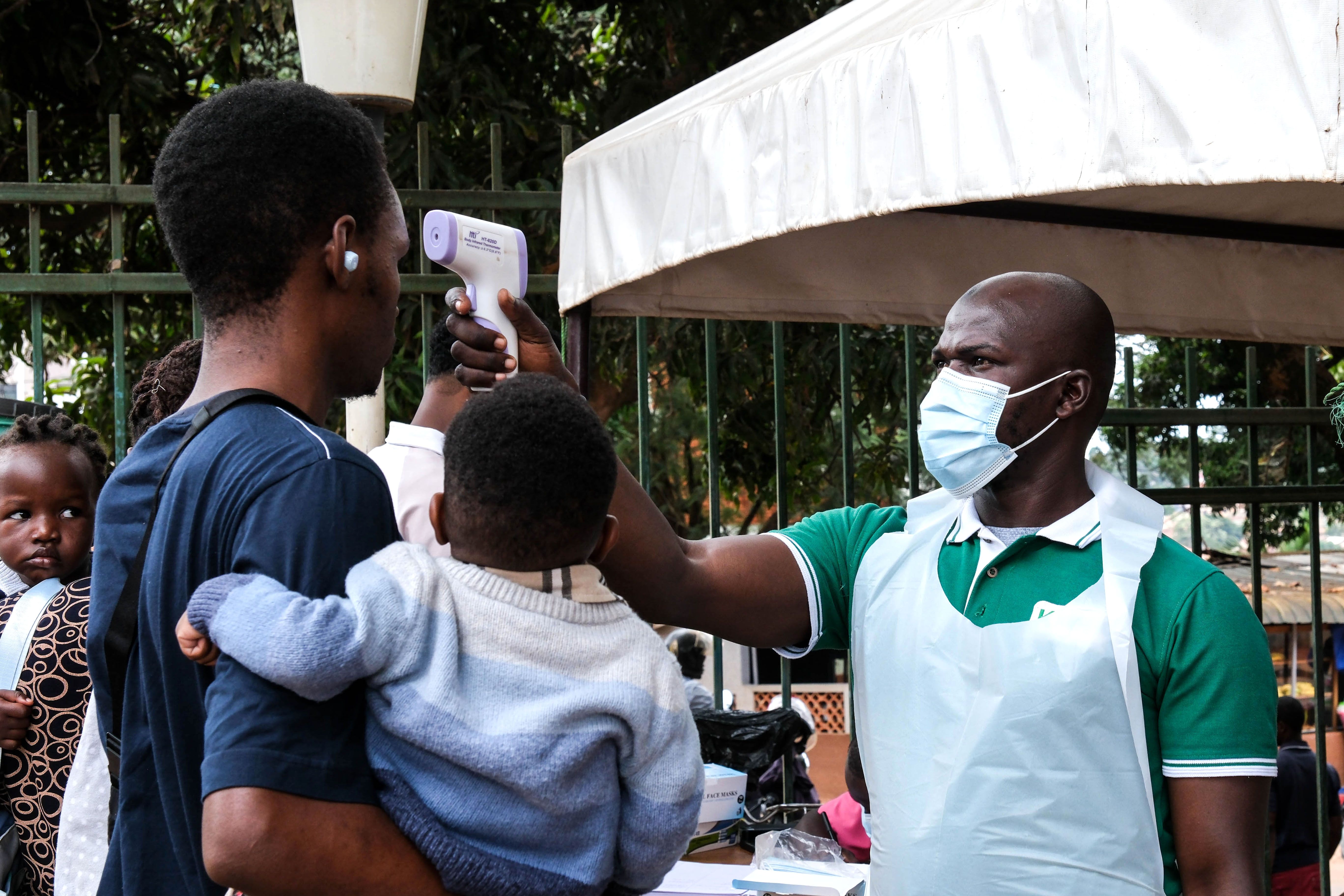
Total reported cases in Uganda: Five, all identified as cross-border incidents linked directly to an ongoing outbreak in the Democratic Republic of the Congo (DRC).
Source of transmission: Primary data suggests these cases involve individuals, including two Congolese nationals, who entered Uganda seeking medical intervention prior to the official DRC declaration on May 15.
Regional mortality: Across the border, there are currently 160 suspected deaths attributed to the virus in two Congolese provinces.
| Metric | Status / Data Point |
|---|---|
| Location Origin | Bundibugyo District, Uganda |
| Pathogen Classification | Bundibugyo Ebolavirus (BDBV) |
| Primary Economic Activity | Cocoa Farming |
| Recent Case Load (Uganda) | 5 linked to DRC outbreak |
The Social Cost of Taxonomy
The name 'Bundibugyo' is increasingly viewed by local stakeholders as a branding failure that disproportionately impacts the district's reputation. Despite the region's historical role as a hub for cocoa cultivation, the phonetic identification with a hemorrhagic fever creates a durable, negative narrative.
The naming persists despite many locals being unable to locate the precise geography of the district on a standard map, indicating the name’s recognition is almost exclusively mediated through the lens of viral pathology.
Agricultural commerce and regional perceptions remain shadowed by the linguistic link, as international reporting frequently prioritizes the viral nomenclature over the lived reality of the district’s inhabitants.
Investigative Perspective: The Politics of Naming
Scientific protocols for naming pathogens often draw from the geographic site of the initial isolation. While intended for clinical accuracy, this practice functions as a geopolitical anchor, where a localized biological event creates a permanent stigma that the district has no mechanism to shed.
Read More: India IVF Costs And Social Barriers Limit Access In April 2026
Unlike previous viral outbreaks in major urban centers—such as the incident in Kampala last year—the isolation of rural Bundibugyo ensures that the label is rarely contested by the concentrated economic power that might otherwise shield a larger city from such branding. The result is a persistent asymmetry between the scientific classification and the social integrity of the Ugandan territory.