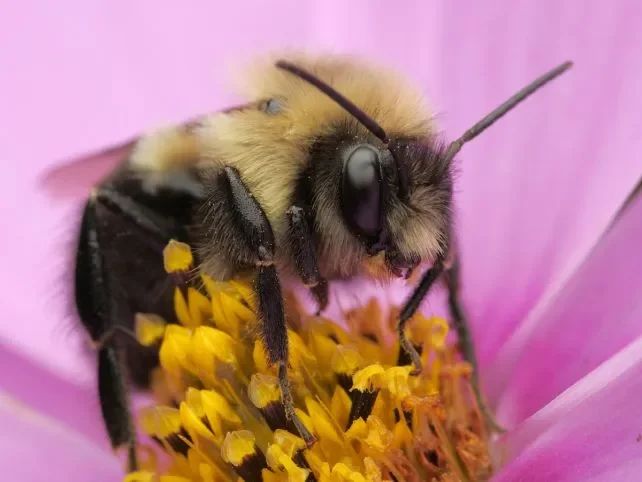
Diapausing bumblebee queens demonstrate a remarkable capacity to survive extended periods submerged in water, up to a week, by employing a combination of underwater respiration and a shift to anaerobic metabolism. This resilience is crucial for their survival during overwintering, particularly in environments prone to spring flooding. New research indicates that these queens, while in a hibernation-like state called diapause, can extract oxygen from water and reduce their energy demands, allowing them to endure conditions that would otherwise be fatal.

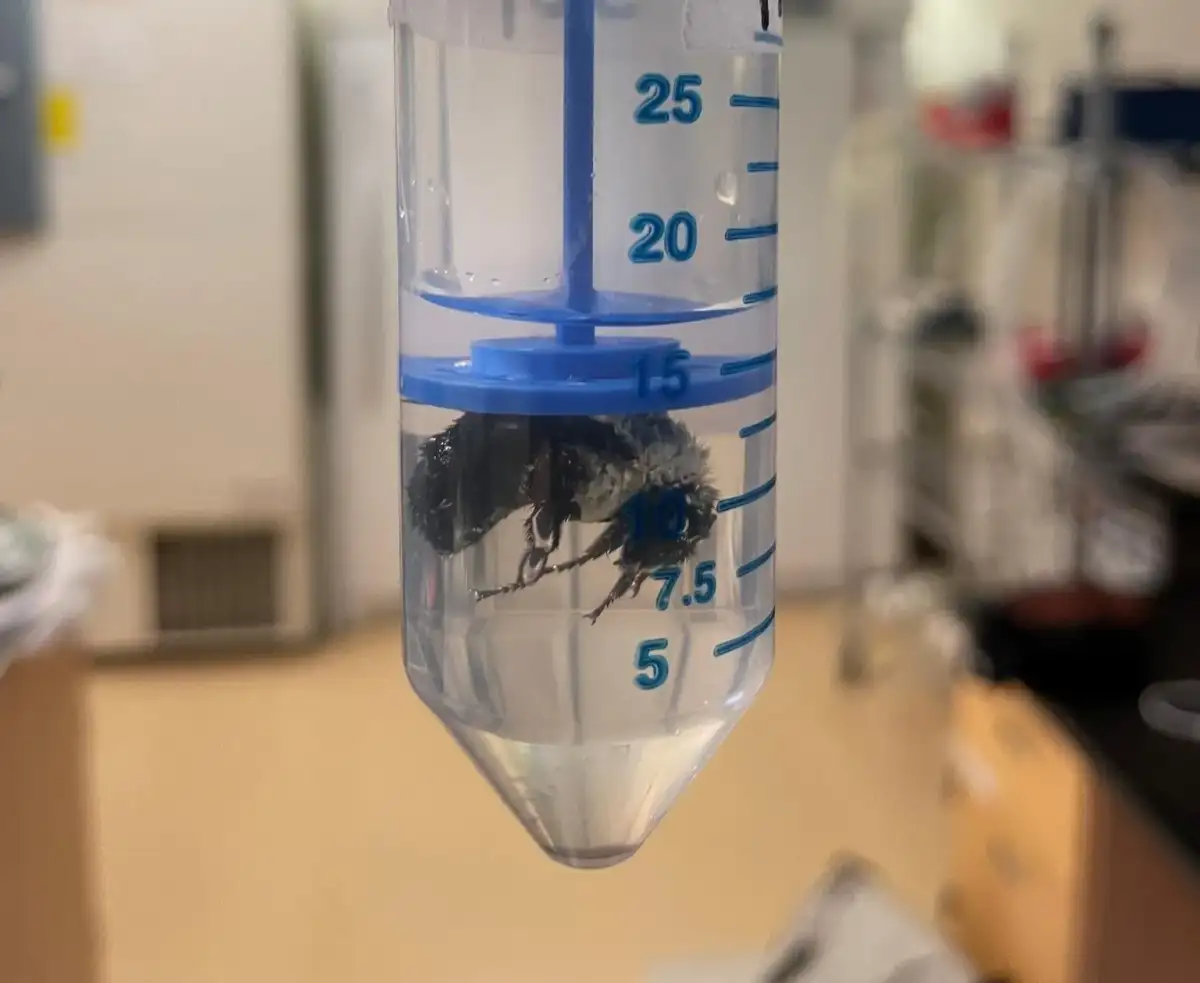
This survival mechanism appears to involve the queen's ability to literally "breathe underwater," with gas exchange continuing even when submerged. Scientists investigating this phenomenon simulated winter conditions by placing queens in soil-filled tubes in laboratory refrigerators. The findings suggest that while queens can maintain a high survival rate, around 90 percent, under these submerged conditions, the exact physiological mechanism for underwater gas exchange is still being explored. One hypothesis points to a "physical gill"—a thin layer of trapped air that facilitates gas exchange with the surrounding water—though this requires further confirmation.
Read More: Ottawa Mosquitoes Return June 2026 Affecting Outdoor Events
Survival Toolkit Under Threat
Beyond their unique respiratory abilities, these queens also switch to metabolic strategies that do not rely on oxygen when faced with submersion. This 'anaerobic metabolism,' coupled with profound metabolic depression, allows them to generate energy even when oxygen is scarce. Such adaptations are vital as bumblebee queens are the progenitors of future colonies, and their ability to weather environmental challenges like flooding is intrinsically linked to the success of these new generations.
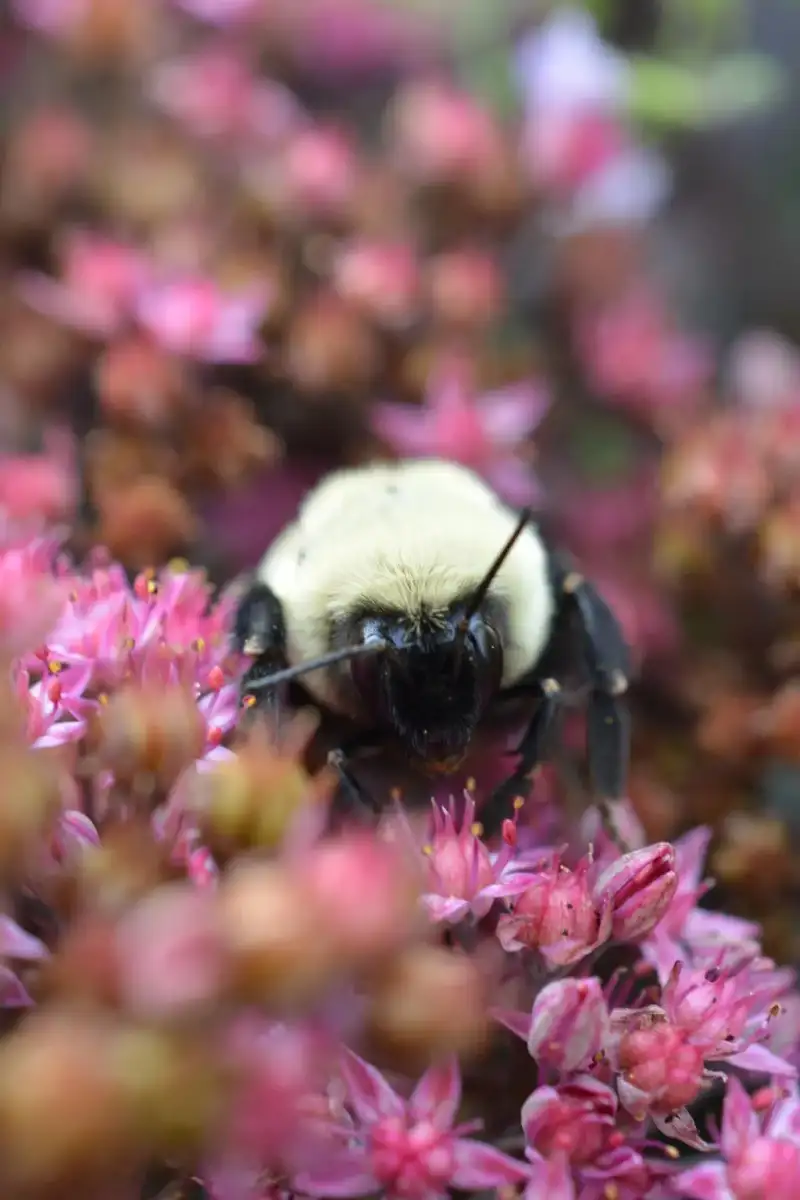
The research, which has seen queens surviving up to a week underwater, provides a critical insight into the life cycle and resilience of Bombus impatiens, a species commonly found hibernating in soil. The studies tracked gas exchange rates and oxygen consumption both before and during submersion, as well as during recovery. Notably, preliminary observations suggest a correlation between queen weight and survival, with heavier queens appearing to fare better.
Read More: Amazon Land Use Changes Cause Disease Clusters in Brazil

Context of Resilience
These findings emerge at a time when understanding insect survival strategies in the face of changing environmental conditions, such as increased flooding potentially linked to climate change, becomes increasingly significant. The queen's ability to endure prolonged periods underwater, coupled with her capacity to switch metabolic pathways, presents a complex survival toolkit. While the immediate focus is on understanding how they achieve this, the broader implications for conservation and ecological resilience are becoming clearer.