

Buffer has recently introduced a public API, a move signaling a deeper integration with the broader digital ecosystem. This development allows external developers and businesses to connect with Buffer's services, expanding its utility beyond its established user base. The company, which has consistently positioned itself as a tool for small businesses, creators, and brand builders, now opens its platform for custom applications and workflows.

The expanded functionality comes as Buffer continues to refine its offerings in a crowded social media management space. Recent insights from Buffer's own analyses, including studies on the 'State of Social Media Engagement in 2026' and 'Best Time to Post on Instagram in 2026', highlight the company's focus on data-driven strategies for its users. These analyses, based on millions of posts, underscore Buffer's commitment to providing actionable intelligence for optimizing social media presence.
Read More: Chrome mimeHandler API lets extensions handle file types
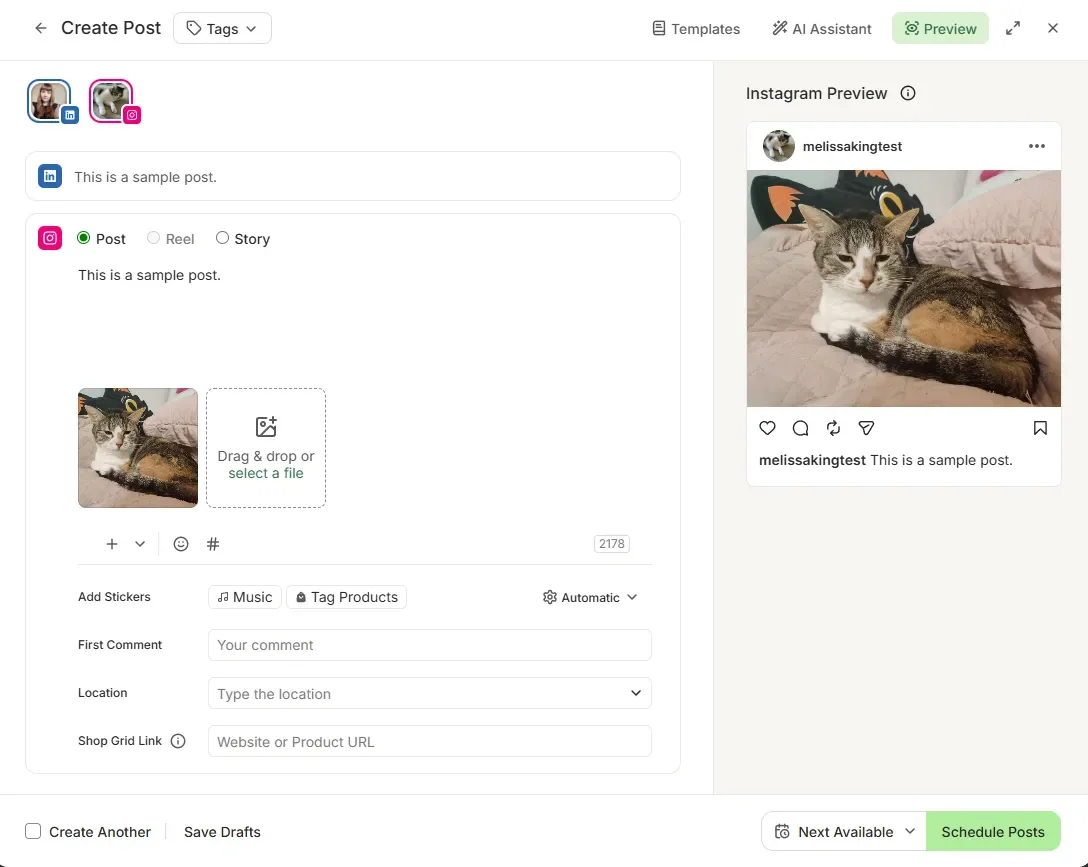
Buffer's strategy appears to be one of multi-faceted service provision. Beyond its core scheduling and analytics, the platform now integrates tools for creating landing pages, a move that bridges content creation with direct engagement and conversion. This holistic approach aims to serve community managers and marketing professionals by consolidating various digital marketing tasks into a single dashboard. The ability to preview posts across different platforms before publishing, a feature noted in user guides, further emphasizes a commitment to refined content deployment.
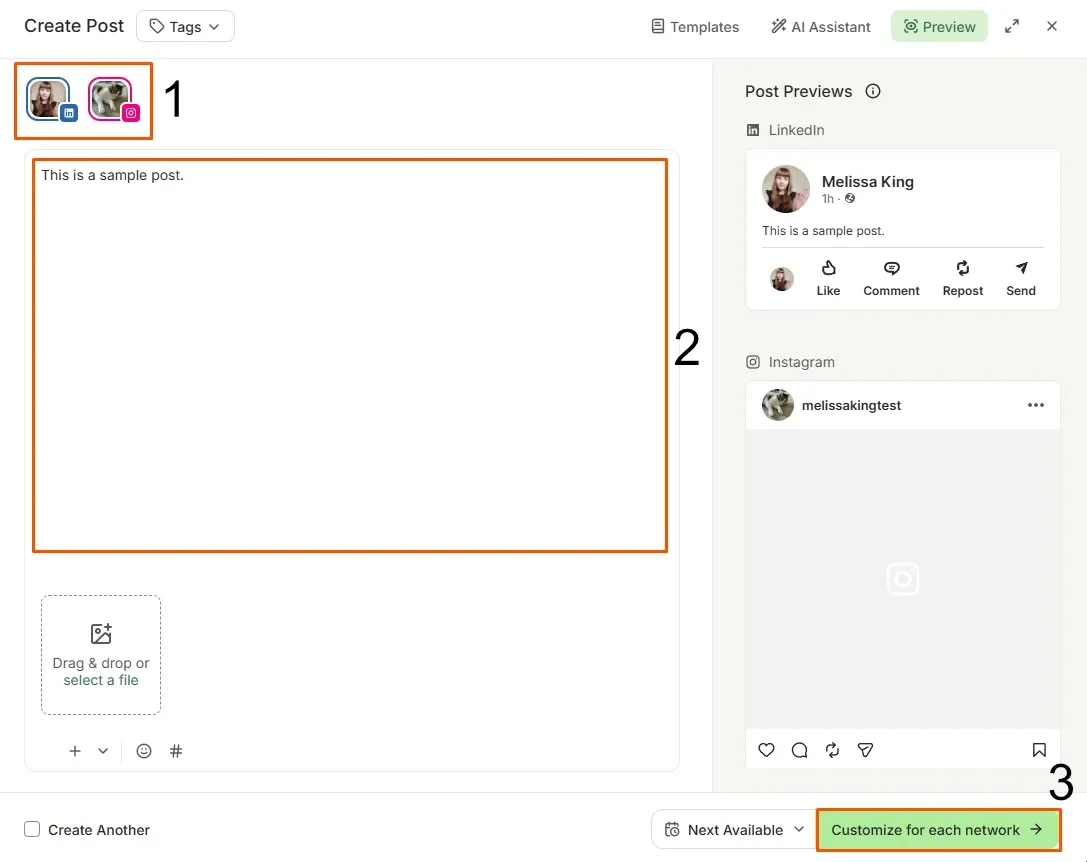
The platform’s functionality extends to a range of content formats, including planning and scheduling for YouTube Shorts, TikTok videos, Instagram Reels, and Instagram Stories. Detailed, easy-to-understand analytics are presented for all publications, offering clear insights into performance. Buffer's emphasis on audience growth and time-saving through planning, scheduling, and analytics is a consistent theme across its various service descriptions.
Read More: FIFA World Cup 2026 Revenue Reaches $15 Billion With New Ticket Prices
Evolution of a Social Media Staple
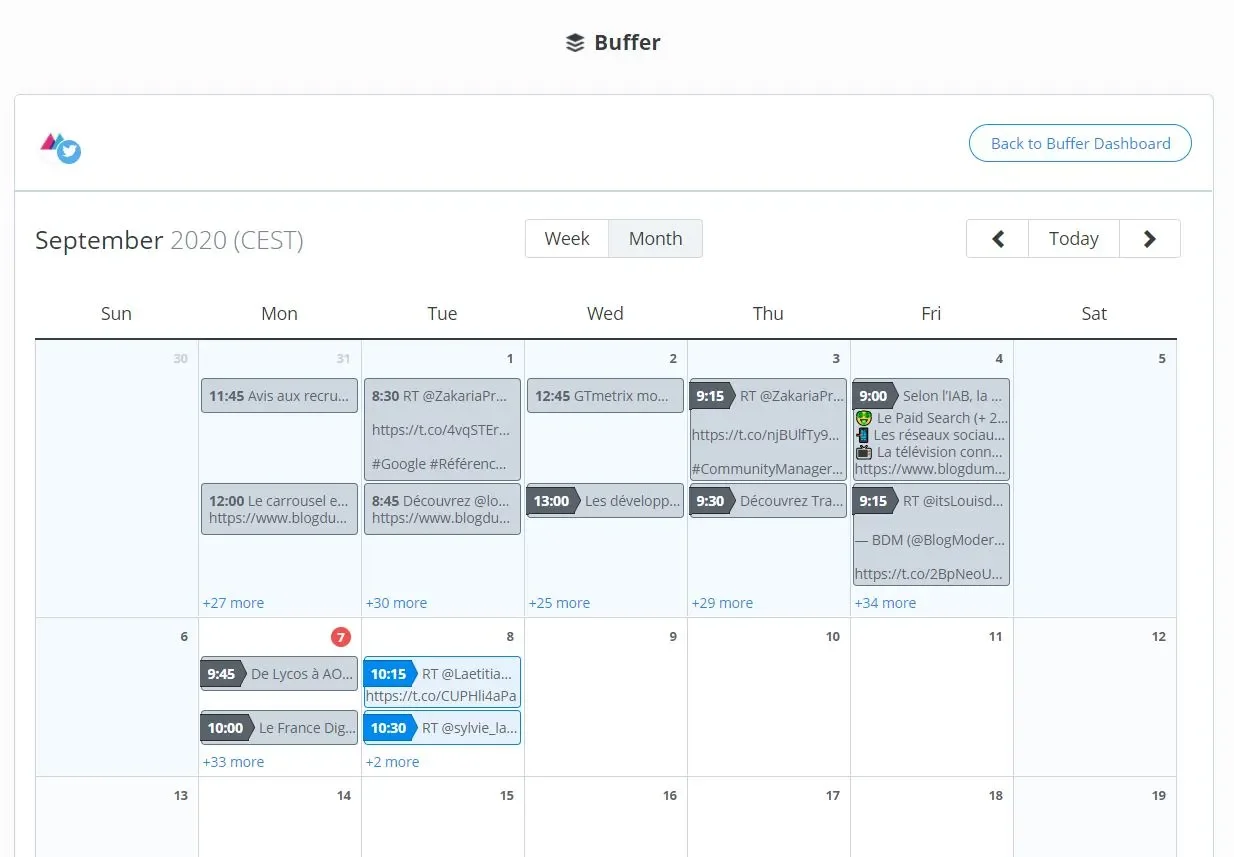
Originally known for its straightforward social media post scheduling, Buffer has evolved considerably. The service now acts as a central hub for managing content across platforms like Facebook, Instagram, and Twitter, and even extends its analytical reach to platforms like Shopify. The development of a landing page creator is a significant addition, allowing users to design pages tailored to their brand identity, directly from the Buffer interface.
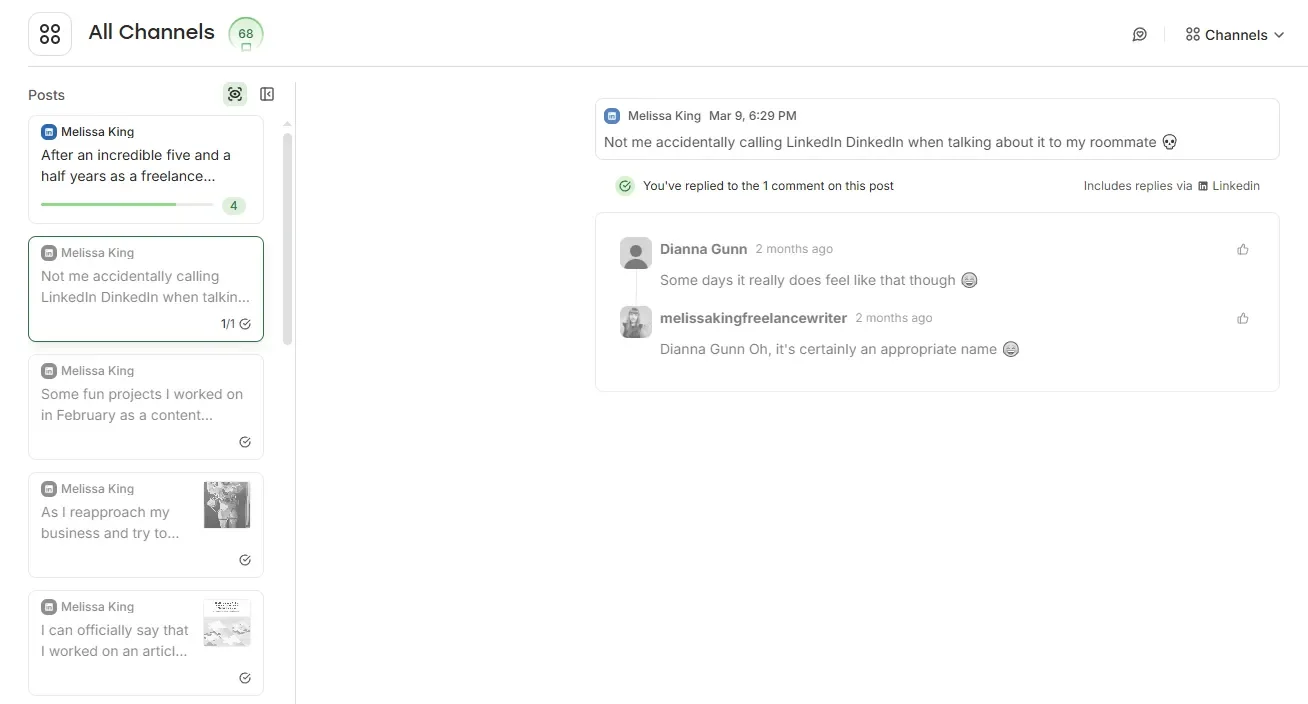
The company's continuous engagement with its user base is evident in its published content, which ranges from tips on creator consistency to guides for preparing social media during extended leaves. These articles reflect a broader understanding of the challenges faced by online professionals and businesses. The scheduling features include precise time and date selection, with options for targeting specific time zones, ensuring content reaches its intended audience at optimal moments.
Read More: BEREC Asks for Mobile Network API Ideas from Developers





