

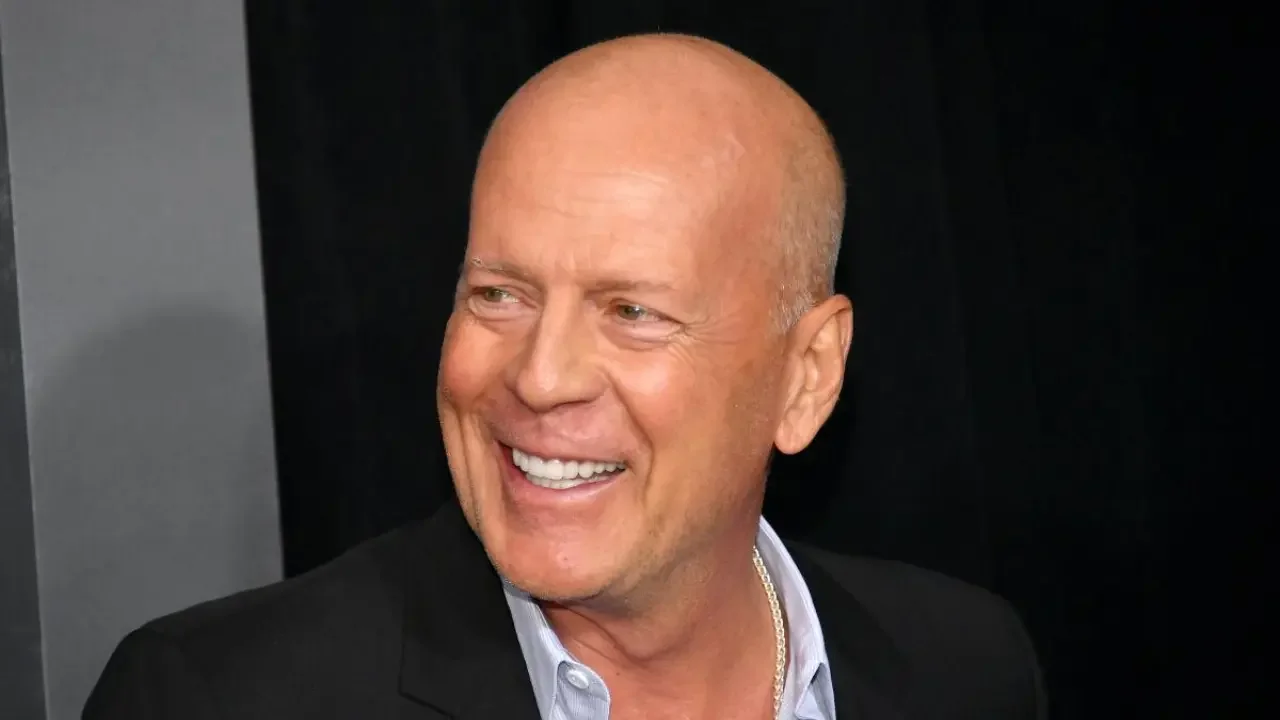
In a significant development, the family of actor Bruce Willis has committed to donating his brain for scientific research following his passing. This decision marks a critical step in advancing the understanding of 'frontotemporal dementia' (FTD), the neurodegenerative condition that has impacted the actor. The brain donation aims to provide researchers with essential tissue samples, enabling in-depth study of FTD's effects and potentially identifying observable alterations within the brain. This initiative is part of a broader effort by the family to transform a personal struggle into a meaningful contribution to medical knowledge and public awareness.

Foundation Established to Support Research and Caregivers
Complementing the brain donation plan, Willis's wife, Emma Heming Willis, has established the 'Emma & Bruce Willis Frontotemporal Dementia Research and Caregiver Support Fund'. This charitable foundation is geared towards not only financing scientific investigations into FTD but also elevating public consciousness surrounding the disease. Crucially, it intends to offer support to individuals and families who are grappling with the immense challenges of caregiving for those affected by FTD.
Read More: Hantavirus on MV Hondius: Passengers Tested and Isolated Globally

The family's engagement extends beyond financial and material contributions. They have consistently chosen to share updates about Willis's health journey, fostering a more open dialogue around cognitive decline and aiming to reduce the stigma associated with neurological disorders. This public candor, involving his wife, ex-wife Demi Moore, and his five daughters—Rumer, Scout, Tallulah, Mabel, and Evelyn Willis—serves to normalize conversations about such conditions.
FTD: A Little-Known, Devastating Disease
Frontotemporal dementia, the condition affecting Bruce Willis, is described as a cruel and devastating illness that is still relatively unknown compared to other forms of dementia. It impacts communication, behavior, and cognitive abilities, progressively limiting an individual's capacity to interact and function. The family hopes that by making their experience public and supporting research, they can bring greater visibility to FTD and inspire further medical exploration.
Read More: New 'Ferrons' Polarization Waves Found by Scientists
Bruce Willis, a prominent figure in Hollywood known for his roles in films like 'Die Hard' and 'The Sixth Sense', stepped away from his acting career after being diagnosed with aphasia, which subsequently progressed to FTD. His family's decision to donate his brain is seen as a final act that transcends his celebrated cinematic legacy, potentially shaping future medical understanding and offering hope to others facing similar battles. This move is viewed as a delicate yet necessary step, turning a painful personal situation into a profound contribution to the scientific community.


