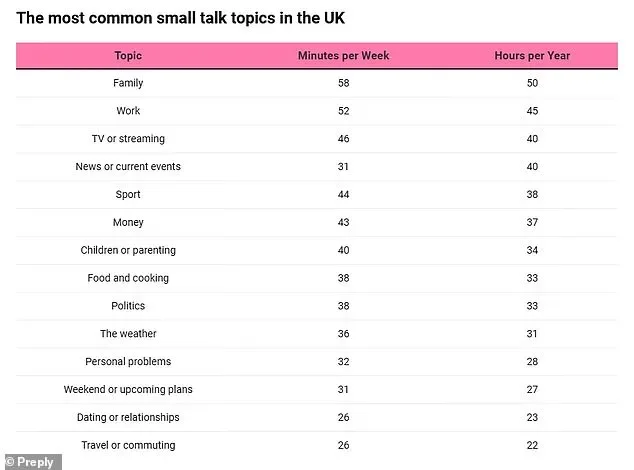
A recent flurry of reports suggests that the vaunted British mastery of "small talk" might be, at best, a nostalgic echo, and at worst, a dying art. While statistics paint a picture of considerable time spent on fleeting conversations, underlying data points to a growing unease and avoidance of the very interactions that once defined a national stereotype.
The central tension lies in the dichotomy between reported time spent and the stated discomfort surrounding these conversations. Some studies claim the average Briton dedicates as much as 9 hours per week to chit-chat, or even a staggering 15 days a year. However, a significant and increasingly vocal contingent, around 88% of Britons, report finding conversations with strangers "difficult and awkward." This discomfort is attributed to worries about "never knowing what to speak about," feeling "self-conscious," and a fear of "saying something stupid."
Read More: Black Americans Hold Different Views on Race, Rice University Study Finds

The Shifting Landscape of Conversation
The traditional bastions of small talk appear to be eroding, with technology and changing social habits playing significant roles.
Digital Diversions: A substantial 47% of people admit to using their phone to avoid small talk, a figure that skyrockets to 76% among 25-34-year-olds. This suggests a preference for mediated communication over spontaneous, face-to-face interaction. The ubiquity of texting, WhatsApp, and social media is cited as a reason for less meaningful conversations, with 44% feeling less need for face-to-face contact due to these platforms.
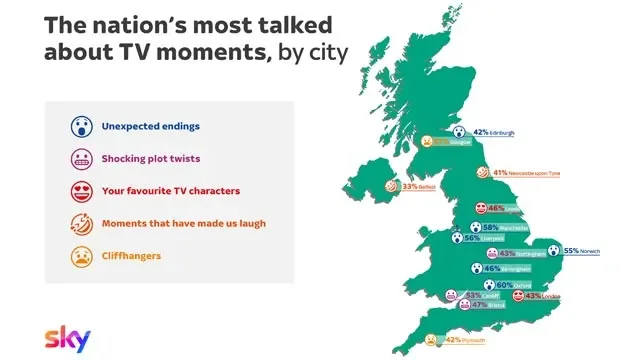
Topics to Avoid: While weather remains a go-to topic for 60% of Britons in some reports, it's increasingly being supplanted by television. Unexpected TV endings, cliffhangers, and the fear of missing out on conversational fodder have propelled televised content to the forefront. Conversely, topics like politics, personal problems, dating, relationships, how much you earn, religion, and gossiping about people are consistently flagged as subjects to be dodged.
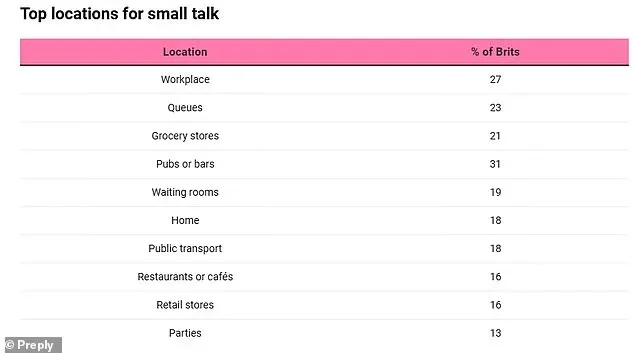
Retreat and Avoidance: The willingness to engage in casual encounters appears to be diminishing. Statistics indicate that a third of people have actively crossed the road to avoid an acquaintance, and over a quarter routinely pretend to be on a phone call to sidestep conversation. Even common places like the supermarket, doctor's waiting rooms, and hairdressers are identified as sites where small talk is frequently avoided.
The Perennial Small Talk Topics
Despite the apparent decline, certain themes persist as the bedrock of British small talk, even as their prominence shifts.

The Weather: Historically, the undisputed champion, the weather still holds significant sway. Some research indicates Britons spend as much as 56.6 hours per year discussing it.
Television: Emerging as a strong contender, particularly in recent years, TV has overtaken weather as the number one topic for some. The appeal lies in shared cultural touchstones and the need to participate in popular discourse.
Cost of Living & Holiday Plans: Contemporary concerns like the rising cost of living and upcoming holidays are also mentioned as frequent small talk subjects.
Background: A Nation of Conversationalists?
The notion of Britons as "masters of small talk" has long been a cultural trope. This casual conversation, often initiated with seemingly innocuous topics, has been viewed as a crucial social lubricant, facilitating the formation of relationships and easing social transitions. Reports suggest that while the ability to engage in small talk might be diminishing, its perceived importance in breaking into social circles and navigating British social dynamics remains. However, the data points towards a generation grappling with these unwritten rules, increasingly finding solace in the curated interactions of the digital realm rather than the unpredictable territory of a casual chat. This disconnect between reported behaviour and ingrained cultural expectation presents a complex picture of modern British social interaction.
Read More: UK Sees Earliest Spring Ever With Bluebells Blooming in March 2024