Over a third of planned apartment buildings in inner Brisbane face significant hurdles to construction, threatening ambitious housing targets and city renewal projects. An industry analysis indicates that 35% of new apartment developments could be commercially unviable beyond the next year. This financial reality is prompting calls for more relaxed regulations to stimulate building activity in a market where the underlying numbers simply "do not stack up."

Construction Costs Outpace Viability
The issue is rooted in the economics of building. Skyrocketing construction expenses are pushing Brisbane's apartment supply to a precarious edge. While some communities have expressed concerns about proposed height increases in areas like South Brisbane and suburban renewal precincts such as Stones Corner, Wynnum, and Mount Gravatt, the current market dynamics suggest even more lenient rules might be needed to make projects financially feasible.
Read More: North Epping house sells for $2.28 million on 6 April 2026
"Queensland has seen the worst of that of anywhere in Australia," a commentator noted, highlighting the severity of the situation.
Brisbane City Council has been exploring options to increase housing density, including rezoning land and raising height limits to 15 and 16 storeys in specific renewal areas. A recent initiative has seen the council slash high-density parking requirements for new inner-city builds. This change, which moves from one parking space per apartment to a maximum of 0.5 spaces for a one-bedroom unit, is intended to reduce costs for developers and buyers, thereby boosting supply and affordability. The council aims to prevent urban sprawl and keep residents near employment centers through these measures, though they require changes to the City Plan, community input, and state government approval.
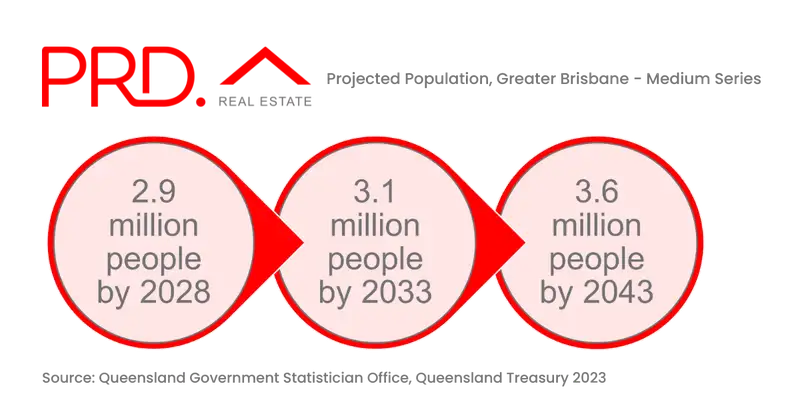
Market Conditions and Future Uncertainty
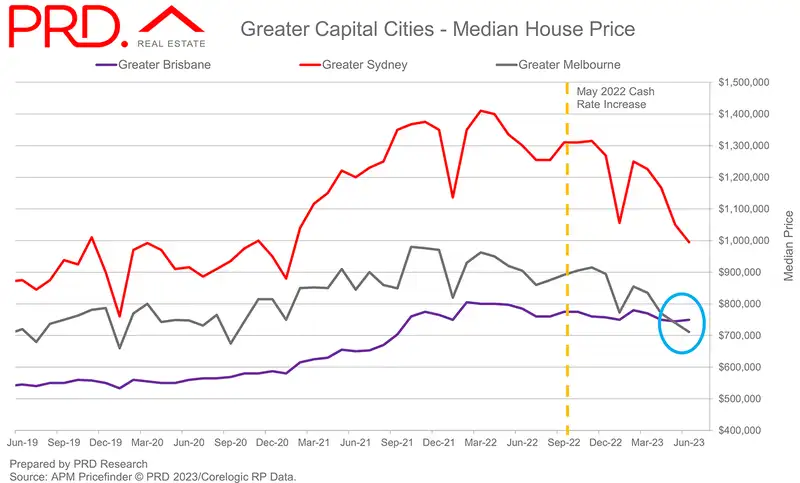
The property market's overall cooling trend, exacerbated by rising cash rates, has created a challenging environment. While Brisbane has historically offered more affordable entry points compared to Sydney and Melbourne, the current financial pressures on development are casting a long shadow. The risk of projects not commencing within the next three years is a stark indicator of this market fragility.
Read More: 15-Minute City Model Needs Services Close to Homes
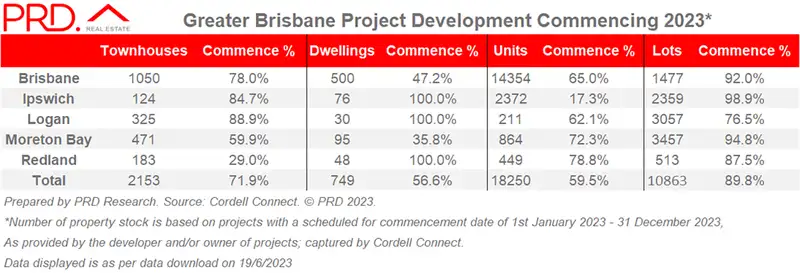
In previous years, Greater Brisbane showed strong plans for townhouses, dwellings, and units. However, the commencement rate has not always matched the volume of proposed projects, suggesting a persistent gap between planning and actual construction, now further complicated by the current economic climate.