


Kochi Corporation Breaks Ground on Ambitious Stray Dog Facility Amidst Ongoing Urban Canine Concerns
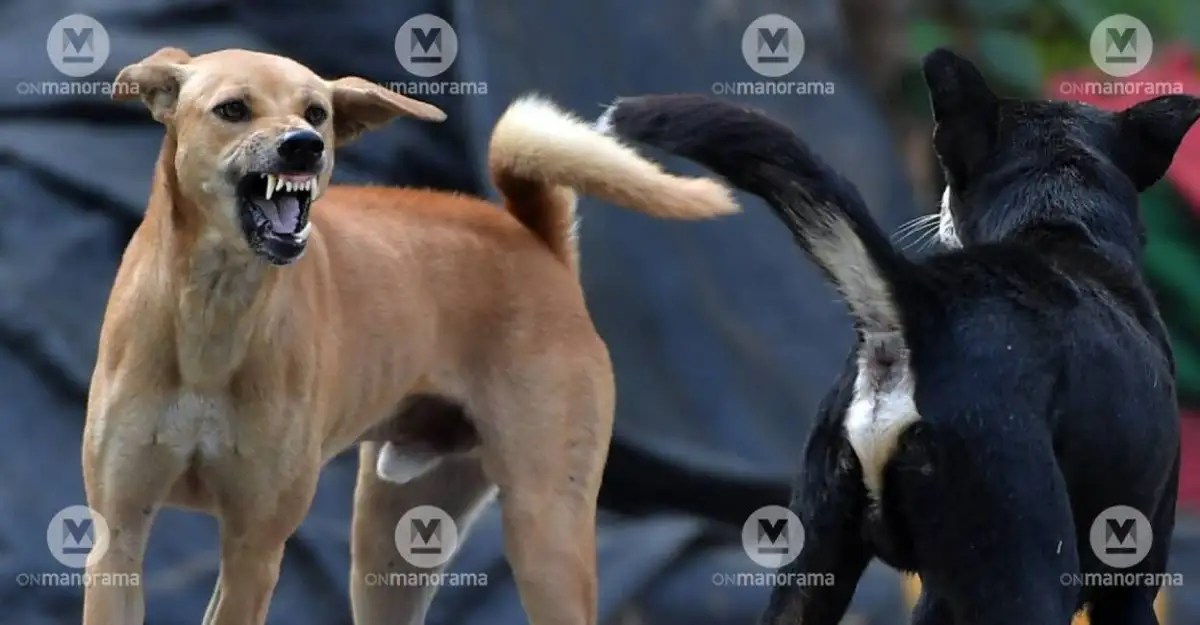
BRAHMAPURAM - The Kochi Corporation has officially inaugurated the construction of a dedicated shelter facility in Brahmapuram, a move intended to address the persistent issue of stray dogs populating the city's public spaces. The shelter is designed to house up to 1,000 stray animals, featuring distinct blocks for monitoring, post-operative care, quarantine, and a specialized ward for disabled dogs. This development marks a tangible, albeit nascent, step towards managing the complex urban canine population, spurred by mandates from higher judicial bodies.

The project includes an integrated adoption center, aiming to rehome animals and consequently reduce the number of strays on the streets. Space allocation is set at 185 square metres for every 100 dogs, a detail underscoring a structured approach to animal welfare within the facility's design. This initiative comes on the heels of a Supreme Court directive that compels local bodies to actively remove stray dogs from public areas and relocate them to designated shelters post-sterilization and vaccination, aligning with established animal birth control protocols.
Read More: Spencer Pratt Claims Dog Abuse in Los Angeles Skid Row

The Machinery of Management: Shelter Features and Operational Framework
The Brahmapuram shelter is being outfitted with comprehensive amenities designed for efficient animal management and care. Beyond the specialized wards, the facility will incorporate systems for food preparation and medicine storage, alongside a CCTV surveillance network to ensure oversight.
Specialized Units: The shelter's layout emphasizes a tiered approach to animal handling, with dedicated areas for:
Monitoring: Initial assessment and observation of incoming animals.
Post-operative Care: Recovery following medical procedures.
Quarantine: Isolation of new arrivals to prevent disease spread.
Disabled Dog Ward: Specific provisions for animals with special needs.
Ancillary Services: The operational infrastructure includes provisions for:
Food Preparation: On-site facilities to ensure proper nutrition.
Medicine Storage: Secure and regulated storage for veterinary supplies.
Surveillance: CCTV integration for enhanced security and monitoring.
The shelter's capacity to house 1,000 dogs necessitates a significant operational investment, including the likely appointment of specialized staff, such as veterinarians. The implementation of this project also appears to require adjustments to the existing Brahmapuram master plan, potentially impacting other developmental activities in the vicinity, such as the suspension of work on a shed adjacent to black soldier fly units designated for waste treatment.

Echoes of a Supreme Directive: Legal Underpinnings and Shifting Responsibilities
The construction of the Brahmapuram shelter is intrinsically linked to a Supreme Court ruling from November 2025. This directive mandated the "forthwith" removal of stray dogs from critical public locations, including educational institutions, hospitals, sports complexes, transportation hubs, and railway stations. Animals are to be relocated to designated shelters after undergoing sterilization and vaccination, in accordance with the Animal Birth Control (ABC) Rules of 2023, framed under the Prevention of Cruelty to Animals Act of 1960.
Read More: Kerala Health and AYUSH Departments Link for Dengue Control in 2026
Contextualizing the Canine Conundrum: Broader Trends and Persistent Challenges
This development in Brahmapuram unfolds against a backdrop of wider concerns regarding the stray dog population and the effectiveness of existing control measures. Reports from other districts highlight systemic issues that impede comprehensive management efforts. For instance, in Ernakulam district, a significant shortage of dogcatchers, attributed to poor remuneration, has hampered the functionality of animal birth control centers, leaving only one of four anti-rabies centers fully operational.
The scale of the problem is considerable. It is estimated that approximately 12,000 stray dogs roam within Kochi Corporation limits, with around 8,000 having already undergone sterilization. Yet, the effectiveness of these measures is challenged by logistical hurdles and, in some instances, the very nature of the issue. There are also observations that domesticated dogs, not solely strays, can contribute to public nuisance, suggesting a need for broader regulatory considerations. The situation has been described as a national concern, indicating that the challenges faced by Kochi are not isolated incidents but reflective of a more widespread urban dilemma. The temporary housing of "violent" stray dogs, with the installation of additional cages noted in prior decisions, also points to a reactive component within the broader strategy.
Read More: Millions of farm animals die during transport in US


