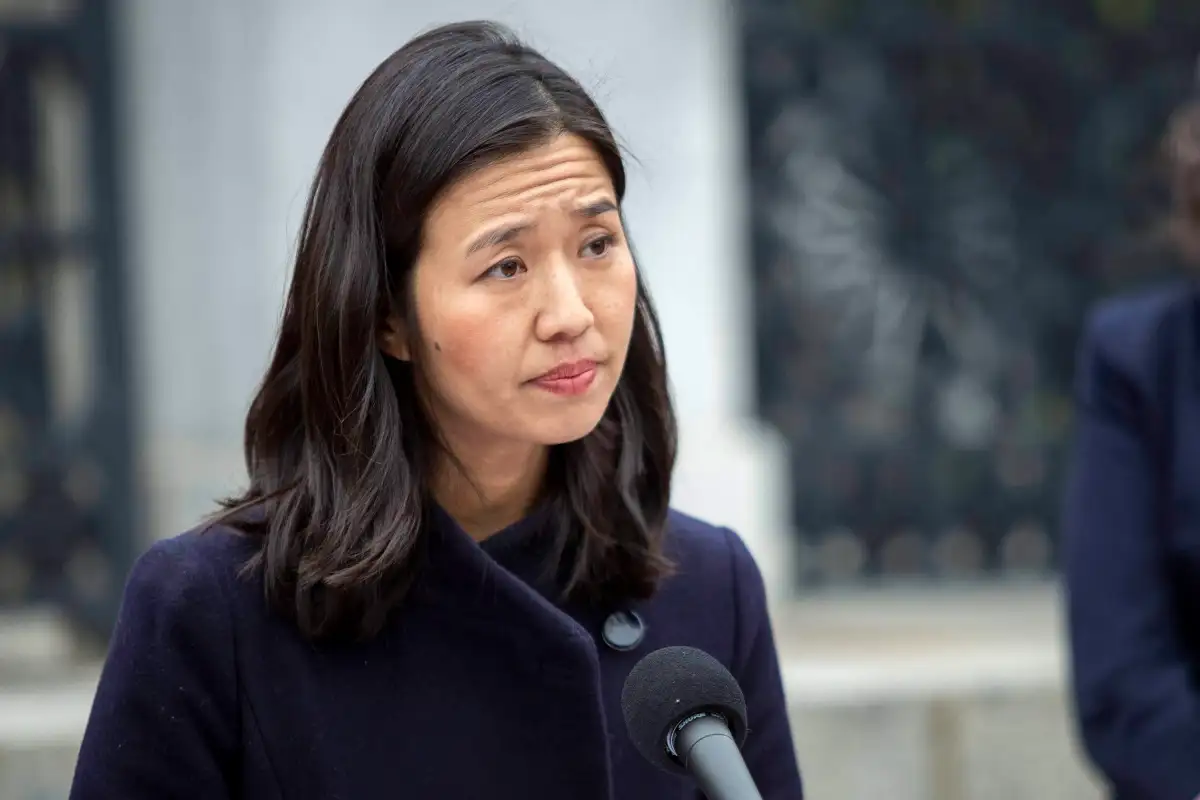
Boston is navigating a complex fiscal landscape with Mayor Michelle Wu's proposed $4.9 billion budget for fiscal year 2027. This financial blueprint, unveiled on April 6, 2026, signals a period of "challenging times," marked by soaring health costs and a reduction in federal funding. City officials have identified key priorities including housing, public health and safety, education, human services, quality of life, and youth employment.
The proposed budget avoids tapping into city reserves and does not seek a tax override from the state, a testament to what the mayor's office describes as a decade of "disciplined financial stewardship." However, the plan necessitates "tough choices," involving cuts to discretionary grant programs that the mayor herself had previously supported. Notably, departments like Age Strong, which serves senior residents, and the Mayor’s Office of Housing are slated for reductions.
Read More: Bihar gets $10.5 Billion from HUDCO for New Cities
Council Questions Transparency, Personal Attacks Surface
The budget process, now in the hands of the City Council who have until June to propose amendments, has become a flashpoint for internal friction. Councilors such as Erin Murphy and Ed Flynn have publicly voiced concerns regarding the Wu administration’s transparency. Adding another layer to the debate, accusations of "mean girl politics" have emerged within the council chambers, underscoring a palpable tension as decisions with significant financial implications are debated.
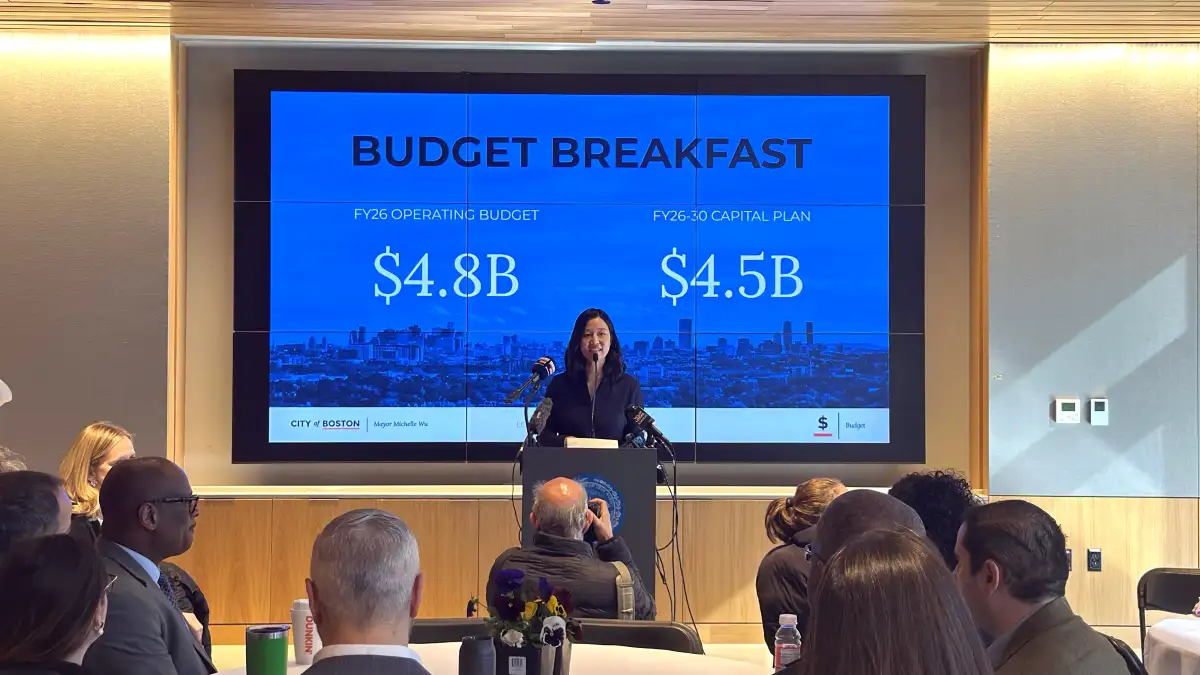
A significant driver of increased city spending appears to be the burgeoning cost of GLP-1 weight loss drugs, which officials state constitute a disproportionately large segment of rising health expenses. While the city's overall budget increase is capped, there's no ceiling on potential property tax hikes for individual households.
Background: A Shift in Financial Priorities
This budget arrives after a period of relative fiscal stability, bolstered by mild winters and ample reserves. Mayor Wu's proposal for fiscal year 2027 is notable for including the smallest overall spending increase in nearly two decades. It also notably does not mandate any city employee layoffs.
Read More: Boston Celtics sign Neemias Queta to $56 million deal on July 3 2026
In a departure from previous structures, the proposed spending plan indicates that central office-based spending might surpass school-based expenditures for the first time. The school budget itself is a substantial $1.7 billion component of the overall fiscal picture. Unexpected costs such as snow removal are also a factor in budget planning, with the mayor seeking level funding from the current budget for these unpredictable expenses. The mayor has also called for the repeal of a state law enacted last year, though the specifics of this law remain unelaborated in the provided texts.