Evidence suggests a potential link between specific blood types and an elevated risk of cardiovascular disease. While the exact biological mechanisms require further elucidation, several studies indicate that individuals with blood types A, B, or AB may face a greater likelihood of experiencing heart-related events compared to those with blood type O.

Risk Factors and Observed Associations
Research indicates that certain blood types are associated with an increased likelihood of developing cardiovascular issues. Multiple studies point to a pattern where individuals with blood types A, B, or AB appear to have a higher risk of heart attack, heart failure, or coronary heart disease when compared to individuals with blood type O.
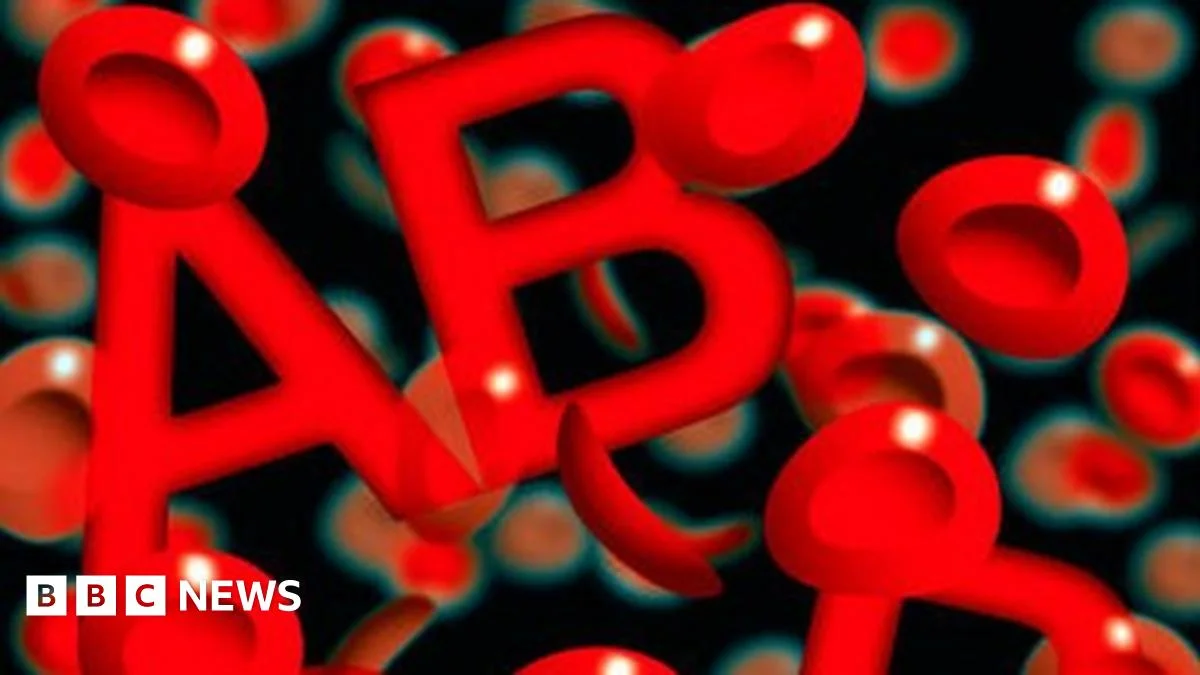
Blood Type AB: Studies suggest that individuals with the AB blood type may have the greatest risk for coronary heart disease. One report noted a 23 percent higher likelihood of developing heart disease for those with AB blood.
Blood Types A and B: Individuals with blood types A and B have also been linked to a higher risk. Specific findings include an 11 percent increased risk for those with B blood and a 5 percent increased risk for those with A blood, relative to other groups.
Blood Type O: Conversely, blood type O is often associated with a lower risk of cardiovascular events. This group may also benefit from increased levels of a chemical that aids in blood flow and clotting.
Potential Contributing Factors
Several biological factors are being explored to understand the observed associations between blood types and cardiovascular risk.
Read More: New Papers Show Epstein Had Health Problems with Sex Hormones

Blood Clotting: A key area of investigation is the role of blood clotting proteins. People with non-O blood groups, particularly types A and B, are thought to have higher concentrations of von Willebrand factor, a protein that can contribute to blood clotting. This heightened tendency to form blood clots may contribute to a greater risk of heart problems.
Cholesterol Levels: Elevated cholesterol levels are another suspected factor. Research suggests that individuals with non-O blood groups, especially those with type A blood, may have higher cholesterol levels. High cholesterol is a known risk factor for heart disease.
Inflammation: Inflammation within the body is also being considered. One hypothesis suggests that inflammation occurring in individuals with blood types A, B, or AB could be the reason for their increased risk.
H. pylori Infection: For individuals with type A blood, there is a noted higher prevalence of Helicobacter pylori (H. pylori) infection. While primarily associated with stomach issues, the broader systemic effects of chronic infections are an area of ongoing interest.
Study Methodologies and Findings
Investigations into the blood type and heart disease link have employed various research designs, including cohort studies and meta-analyses.
Read More: AI Finds Sperm, Skin Cells Made Into Eggs for Fertility Help

| Study Type | Population Size | Key Findings | Source Publication |
|---|---|---|---|
| Harvard School of Public Health Research | Not specified | People with A, B, or AB blood types have a higher risk for coronary heart disease than type O. AB showed the greatest risk. | Harvard T.H. Chan School of Public Health (Nov 2024) |
| American Heart Association Related Research | Over 400,000 people | Blood types A and B may carry higher risks for dangerous blood clots compared to type O. Link to ABO gene. | American Heart Association journal (cited by CNET, Jan 2020) |
| Times of India Report | Not specified | Type B: 11% increased risk; Type A: 5% increased risk; Type AB: 23% increased risk for heart disease. | Times of India (June 2022) |
| Meta-analysis | Over 145,000 cases and 2,000,000 controls | Explores associations between blood group and ischemic stroke, myocardial infarction, and peripheral vascular disease. | ScienceDirect (June 2023) |
| eLife Study | Not specified | Confirmed A or B blood types more likely for cardiovascular disease or blood clots than type O. | eLife (April 2021) |
| General Observation (Multiple Sources) | Broad, encompassing multiple studies | A, AB, and B blood types are generally considered at higher risk for heart disease than type O. | Multiple sources including CNET, BBC, WebMD, Livescience |
Areas for Further Investigation
While existing research points to a correlation, several questions remain regarding the precise causal pathways and implications for individual health management.
Read More: Actor James Van Der Beek Dies at 48 from Bowel Cancer; Early Signs Often Missed
Mechanism Clarification: The exact biological reasons why certain blood types might increase heart disease risk are not fully understood. Further research is needed to pinpoint the specific molecular and physiological processes involved.
Lifestyle Interventions: The question of whether lifestyle modifications can mitigate blood-type-related risks is a significant area for future study. Researchers are exploring if individuals with different blood groups respond differently to changes in diet, exercise, and other health behaviors.
Ethnic and Genetic Factors: While blood types are a genetic characteristic, the extent to which other genetic predispositions or ethnic variations influence these associations warrants deeper investigation.
Sources:
Harvard T.H. Chan School of Public Health: https://hsph.harvard.edu/news/qi-blood-type-heart-disease-risk/ (Published: November 22, 2024)
CNET: https://www.cnet.com/health/medical/blood-type-heart-disease/ (Published: December 22, 2025)
American Heart Association (via Brave): https://www.heart.org/en/news/2020/01/23/whats-blood-type-got-to-do-with-clot-risk
Times of India: https://timesofindia.indiatimes.com/life-style/health-fitness/health-news/heart-health-study-finds-the-blood-types-at-higher-risk-of-coronary-heart-disease/photostory/92252282.cms (Published: June 18, 2022)
BBC News: https://www.bbc.com/news/health-19257876 (Published: August 15, 2012)
National Center for Biotechnology Information (PMC): https://pmc.ncbi.nlm.nih.gov/articles/PMC3488453/
National Center for Biotechnology Information (PMC): https://pmc.ncbi.nlm.nih.gov/articles/PMC5558144/
eLife: https://elifesciences.org/for-the-press/7a378927/study-reports-links-between-blood-types-and-disease-risks (Published: April 27, 2021)
Tufts University School of Medicine (via Brave): https://medicine.tufts.edu/news-events/news/what-your-blood-type-can-tell-you-about-your-health
Lorne Laboratories UK: https://www.lornelabs.com/news-events/blog/can-your-blood-type-put-you-at-risk-for-heart-disease
Apollo 24|7: https://www.apollo247.com/blog/article/blood-groups-prone-to-heart-attacks (Published: January 20, 1970)
ScienceDirect: https://www.sciencedirect.com/science/article/pii/S1052305723002380 (Published: June 17, 2023)
Tufts Now: https://now.tufts.edu/2023/01/24/what-your-blood-type-can-tell-you-about-your-health (Published: January 24, 2023)
Geo.tv: https://www.geo.tv/latest/469795-your-blood-type-could-be-linked-to-your-heart-health (Published: February 8, 2023)
WebMD (via Brave): https://www.webmd.com/a-to-z-guides/ss/slideshow-how-your-blood-type-affects-your-health
Hindustan Times: https://www.hindustantimes.com/health/your-blood-type-determines-if-you-are-at-risk-of-cancer-malaria-or-stress-here-s-more/story-7QWQmXajcZnstddlGQANIP.html (Published: February 22, 2018)
Live Science: https://www.livescience.com/49460-abo-blood-type-mortality.html (Published: January 15, 2015)
Read More: New Ways to Help People Have Babies Using Science



:max_bytes(150000):strip_icc()/VWH_EarlySignsofColonCancer-be7dc99d4bfb4a37b2e6bec8d9f4cfd7.png)