


The air in Bihar is thick with promises and pronouncements following the unveiling of a colossal Rs 3.48 lakh crore budget. But beneath the headline figures and grand visions, a more intricate story unfolds. Who truly benefits from this financial blueprint, and where are the cuts felt most acutely? As a critical investigative journalist committed to transparency, it's imperative we dissect these numbers, probe the intentions behind them, and uncover the ground realities for the people of Bihar. This isn't just about fiscal policy; it's about the lives, livelihoods, and future prospects of millions.
The sheer scale of Bihar's budget, Rs 3.48 lakh crore, demands scrutiny. Is this a testament to burgeoning growth and strategic investment, or a smokescreen for fiscal challenges? We must ask: are these allocations truly aligned with the state's pressing needs, or do they serve more immediate political objectives, especially with elections on the horizon? The devil, as always, is in the details, and it's our job to unearth those details, connecting the dots between departmental cuts, increased expenditures, and the tangible impact on Bihar's citizens.
Read More: Taiwan Holds Nantou County Drills to Prepare for State Collapse
The Shifting Sands of State Finances: A Budgetary Rollercoaster
The latest Bihar budget, totaling an eye-watering Rs 3.48 lakh crore, represents a significant financial undertaking. However, a closer examination reveals a complex reallocation of resources, with some departments experiencing substantial increases while others face considerable reductions. This is not merely an academic exercise; these figures translate directly into the services and opportunities available to Bihar's populace.
Key Spending Areas and Their Changes:
Pensions: A notable increase, now at 10.12 percent of the budget (Rs 35,170 crore), up by Rs 1,781 crore. This rise is attributed to an increase in beneficiaries and a hike in monthly payouts from Rs 400 to Rs 1,100. This suggests a growing reliance on social security nets or an expansion of existing ones. But does this expansion adequately address the needs of all vulnerable populations, or is it a targeted approach?
Interest Payments: These have also surged, accounting for 7.30 percent of the budget (Rs 25,364 crore), an increase of Rs 2,350 crore. This indicates a growing debt burden for the state. How sustainable is this trajectory? What is the long-term implication of such a significant portion of the budget being allocated to debt servicing?
Loan Repayments: These stand at Rs 22,665 crore (6.52 percent of the budget), a slight decrease of Rs 155 crore. While a reduction, the overall debt picture remains a critical concern.
The budget also highlights significant departmental shifts:
| Department | Allocation Change (Approx.) | New Allocation (Approx.) | Percentage of Budget (Approx.) |
|---|---|---|---|
| Panchayati Raj | Down Rs 307 crore | Rs 10,996 crore | N/A |
| Social Welfare | Down Rs 305 crore | Rs 8,470 crore | N/A |
| Water Resources | Down Rs 324 crore | Rs 7,127 crore | N/A |
| Building Construction | Down Rs 741 crore | Rs 6,154 crore | Down from 2.18% to 1.77% |
| Tourism | Down Rs 438 crore | Rs 666 crore | N/A |
| Labour Resources & Migrant | Down Rs 860 crore | Rs 372 crore | N/A |
| Agriculture | Down Rs 82 crore | Rs 3,446 crore | N/A |
| General Administration | Up Rs 18 crore | Rs 1,273 crore | N/A |
| Food & Consumer Protection | Down Rs 122 crore | Rs 1,195 crore | N/A |
| Transport | Down Rs 180 crore | Rs 351 crore | N/A |
The substantial cuts in departments like Labour Resources, Agriculture, and Social Welfare raise immediate questions about the government's priorities. Why are these critical sectors being squeezed, especially when the state faces challenges like migration and rural poverty? Is this a strategic shift towards other growth areas, or a sign of austerity impacting essential services?
Union Support: A 'Bonanza' or Targeted Relief?
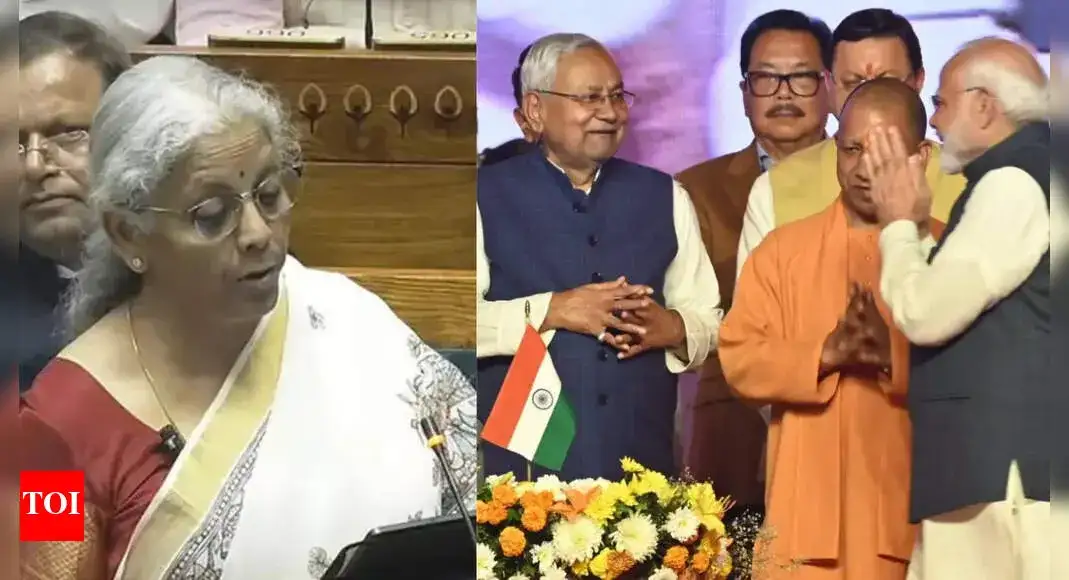
In parallel to the state budget, Union Finance Minister Nirmala Sitharaman announced significant financial support for Bihar, described as a "cash bonanza." This includes Rs 26,000 crore earmarked for infrastructure development, such as airports, medical colleges, and road connectivity projects like the Patna-Purnea Expressway and Buxar-Bhagalpur Highway. Special focus is also being placed on developing Nalanda as a tourist center.
Read More: Lalu Prasad Yadav, Rabri Devi Return Guards After Z-Plus Security Cut
Key Union Budgetary Announcements for Bihar:
Infrastructure Development: Rs 26,000 crore for airports, medical colleges, and road projects.
Specific Projects Mentioned: Patna-Purnea Expressway, Buxar-Bhagalpur Highway, Bodh Gaya-Rajgir-Vaishali-Darbhanga corridor, and an additional Ganga bridge at Buxar.
Tourism Focus: Development of Nalanda as a major tourist destination.
Industrial Support: An industrial nod announced for Gaya.
This infusion of central funds comes at a crucial time, especially with Bihar heading towards elections. Is this genuine development support, or a politically motivated move to curry favour with voters? While infrastructure development is vital, how will this central largesse be integrated with the state's own budgetary allocations? Are there any conditionalities attached to this funding, and what mechanisms are in place to ensure efficient and transparent utilization of these substantial sums? The timing is too coincidental to ignore.
Who Really Wins? Examining the Beneficiaries
When dissecting any budget, the crucial question remains: who benefits most? In Bihar's case, the Rs 3.48 lakh crore outlay suggests a multi-pronged approach, but the distribution of funds points towards specific winners.
Read More: FBI Analysts Review Georgia 2020 Election Data in Fulton County
Potential Winners:
Pensioners: The significant increase in pension allocation directly benefits the growing number of elderly and vulnerable citizens receiving these payouts.
Infrastructure Sector: The substantial central funding for roads, airports, and bridges will undoubtedly boost the construction and infrastructure industries, creating jobs and opportunities.
Regions Targeted for Development: Areas like Nalanda, Gaya, and those along the proposed expressway corridors could see economic upliftment due to targeted investment.
Government Employees: Increased pension payouts often reflect a broader policy trend that may indirectly benefit other government service categories.
However, the narrative isn't entirely positive. The budget also presents a stark picture for certain sectors. The sharp decline in allocations for Labour Resources and Migrant Workers Welfare (down Rs 860 crore) is particularly concerning. Bihar has a significant migrant population, and cuts in this sector raise serious questions about the government's commitment to their welfare and reintegration. Similarly, reductions in Agriculture (down Rs 82 crore) and Social Welfare (down Rs 305 crore) are alarming, especially for a state heavily reliant on agriculture and facing persistent social challenges.
The Shadow of Debt: A Growing Concern?
Bihar's financial health is further underscored by its debt figures. While the budget presented by the Deputy Chief Minister in February 2024 was around Rs 2.78 lakh crore, the current figure of Rs 3.48 lakh crore suggests either a significant expansion of expenditure or a reclassification of debt. The interest payments alone consuming 7.30 percent of the budget, and a total outstanding debt mentioned as Rs 3.48 lakh crore in one report (from Feb 2024), paints a picture of a state heavily burdened by financial obligations.
Read More: Rabri Devi refuses to leave Patna house after 15-day notice
Debt Snapshot:
Interest Payments: Rs 25,364 crore (7.30% of budget) - Up by Rs 2,350 crore.
Loan Repayments: Rs 22,665 crore (6.52% of budget) - Down by Rs 155 crore.
Outstanding Debt (as per Feb 2024 report): Rs 3.48 lakh crore.
This escalating debt is not just a financial statistic; it represents a potential straitjacket on future spending. How will Bihar manage this debt burden without compromising essential services or hindering future development initiatives? Are there plans for fiscal consolidation, or is the state caught in a cycle of borrowing to meet its financial obligations? The lack of transparency regarding the exact nature and trajectory of this debt is a major red flag.
Probing Questions for Bihar's Financial Future
As we stand on the precipice of elections and analyze this substantial budget, several critical questions demand answers:
Prioritization Puzzle: Why have vital departments like Social Welfare, Labour Resources, and Agriculture seen significant budget cuts when the state faces pressing issues of poverty, migration, and rural livelihoods? What is the long-term strategy behind these reductions?
Debt Management Strategy: With interest payments surging and overall debt figures alarmingly high, what concrete steps is the Bihar government taking to ensure fiscal sustainability? Is there a credible plan for debt reduction?
Impact on Ground Reality: How will the departmental cuts, particularly in social welfare and labour, directly affect the most vulnerable populations in Bihar? Will the promised central funds adequately compensate for these state-level reductions?
Election Linkages: Given the proximity of elections, can the substantial central government allocations be seen as purely developmental, or do they carry a significant political undertone? What assurances are in place for their equitable distribution?
Transparency in Spending: What mechanisms are in place to ensure the efficient and transparent utilization of both state and central funds, especially concerning large infrastructure projects and welfare schemes?
Conclusion: A Budget of Contrasts and Concerns
Bihar's Rs 3.48 lakh crore budget presents a landscape of stark contrasts. On one hand, there are significant investments in infrastructure, fueled by central support, promising growth and modernization. Pensioners also stand to benefit from increased allocations. However, this optimistic outlook is overshadowed by deep cuts in critical social and economic sectors, a burgeoning debt burden, and a concerning decline in funds for labor and agriculture.
Read More: US 250th Anniversary: Pride Divided by Politics
The budget appears to be a high-stakes gamble, potentially prioritizing visible infrastructure development and social security payouts over the foundational economic engines and welfare nets that support the majority of Bihar's population. The substantial central government funds, while welcome, raise questions about autonomy and political motivations.
Ultimately, the true success of this budget will not be measured in lakh crores, but in the tangible improvement of the lives of ordinary Biharis. The coming months, and the utilization of these funds, will reveal whether this budget truly serves the people of Bihar or merely creates a facade of progress while deeper systemic issues remain unaddressed. The investigative lens must remain sharp, ensuring accountability and transparency in every rupee spent.
Sources:
Indian Express: Who wins and who loses in Bihar’s new Rs 3.48 lakh crore budget? https://indianexpress.com/article/india/who-wins-and-who-loses-in-bihars-new-rs-3-48-lakh-crore-budget-10512166/
Hindustan Times (via AOL): Budget: Sitharaman announces cash bonanza, special schemes for Bihar https://www.hindustantimes.com/cities/patna-news/budget-sitharaman-announces-cash-bonanza-special-schemes-for-bihar-101721720433949.html
Moneycontrol: Budget announcements for Bihar: Makhana Board, airports expansion, financial support for Kosi project and more https://www.moneycontrol.com/budget/fm-sitharaman-presents-budget-2025/what-s-in-it-for-bihar-article-12926556.html
Drishti IAS: Bihar Government Tables Rs 2.78 Lakh Crore Budget https://www.drishtiias.com/state-pcs-current-affairs/bihar-government-tables-rs-2-78-lakh-crore-budget
Institute of Public Services: Bihar State Budget 2024-25 https://instituteofpublicservices.com/2024/02/16/bihar-state-budget-2024-25/







-1775921553486.webp)